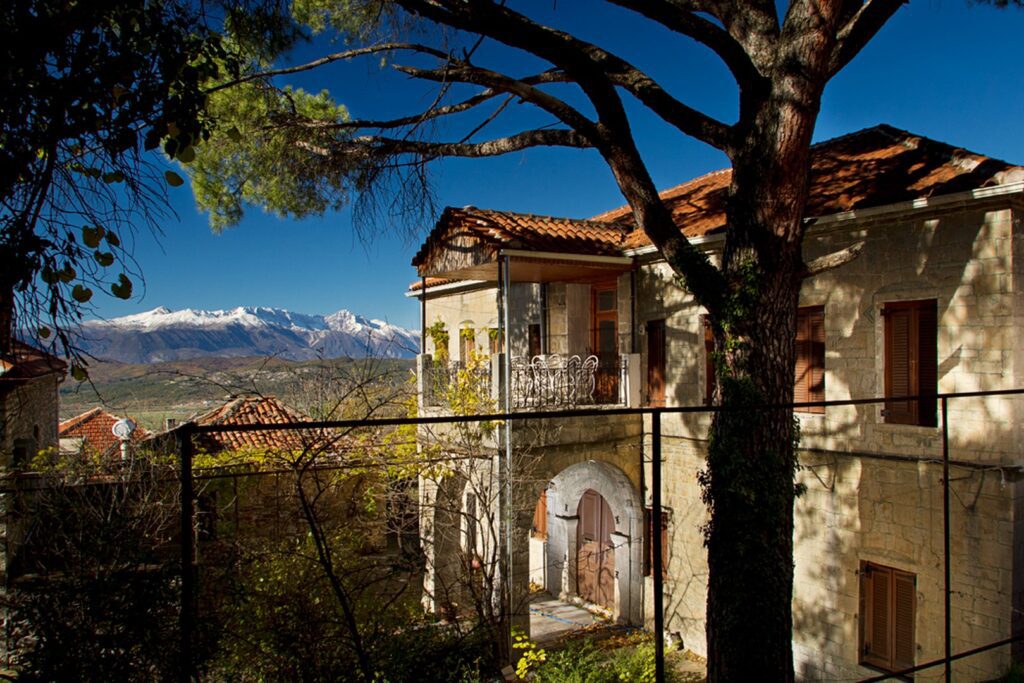
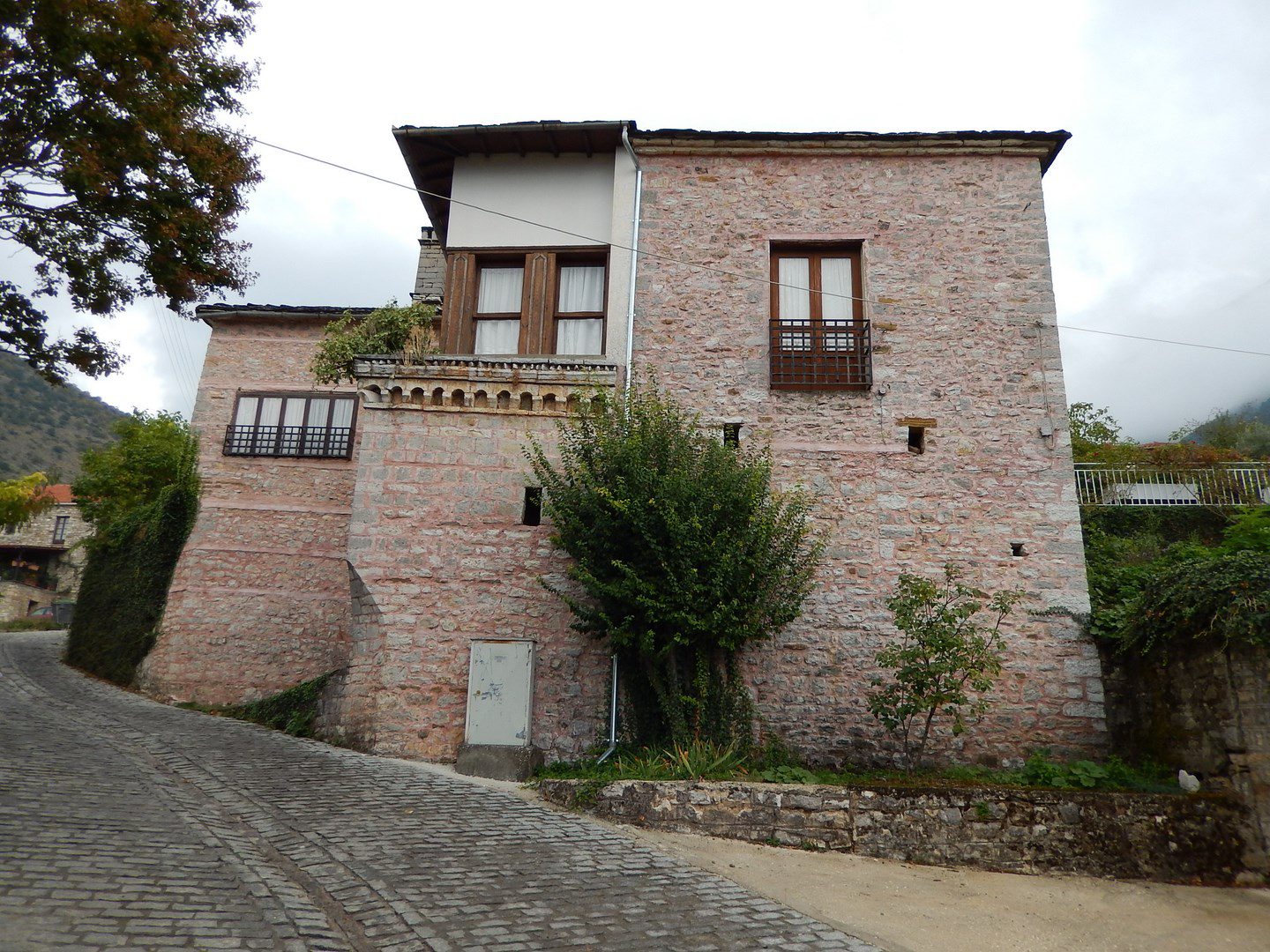
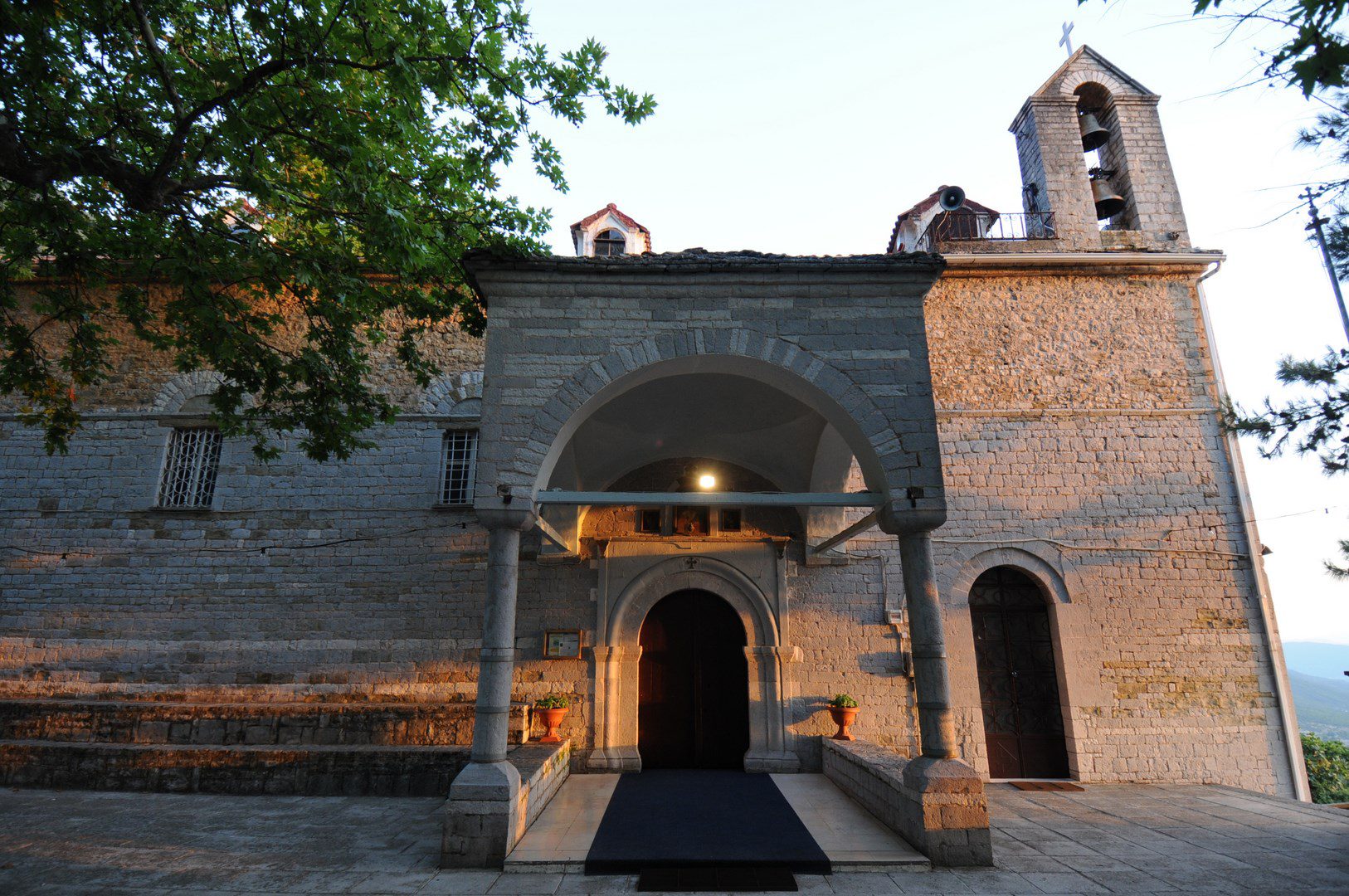
The art of construction in 18th-century Konitsa, as well as in the wider region, culminating a long evolutionary period, heralds and, at the same time, becomes one of the most significant components of modern Greek technical science. In the aforementioned era, the so-called art of empirical craftsmen, it is integrated into the broader geographical context of the Southern Mediterranean and possesses strong local characteristics, which differentiate it from its neighbouring counterparts.
In the post-21 period, the Kastorochoria of Konitsa have been carrying out, to their credit, a large part of technical works, not only in their wider region and the Ottoman Empire, but also in Asia, Africa and the transatlantic area. Thus, at the end of the 19th century, the geographical expansion of the activity of the building masons and other craftsmen of Konitsa was recorded, among other things. The above geographical expansion of the professional activity of the craftsmen of Konitsa contributes, through the process of influence and assimilation, to the further development of the technique and, above all, the aesthetic expression of technical work. Thus, in the town of Konitsa, building, often interrupted by historical events, is slowly but surely changing from an art of rural space to an art of urban space. The above change is initially reflected in the new building materials, such as cement mortar, iron girders, etc., and subsequently in the internal and external decorative elements made of coatings, which mimic Greek antiquity.
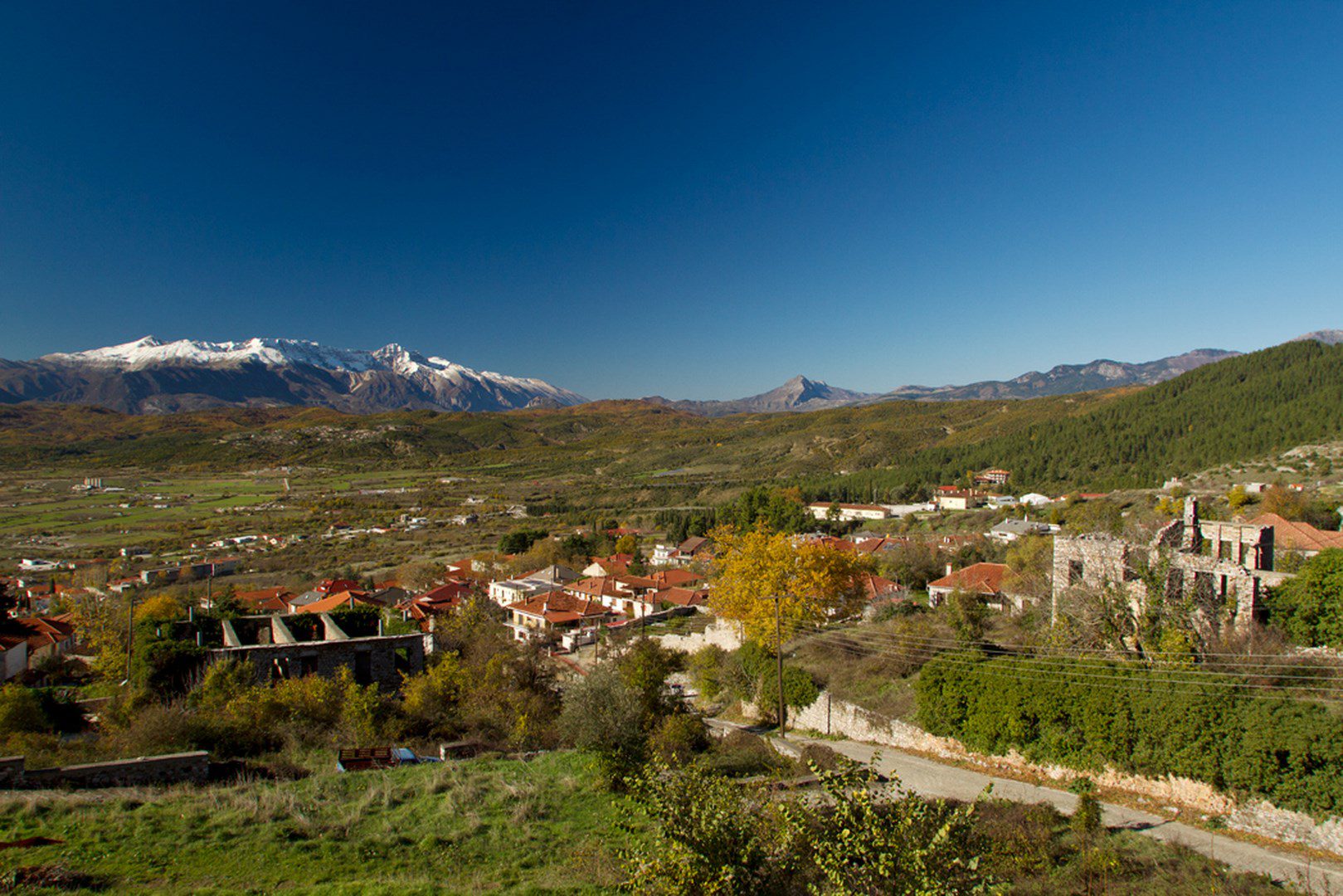
The social, economic, political, and cultural transformations of the 20th century are decisive for the art of building and its aesthetic expression. New building materials, such as tiles, bricks, cement and clay, corrugated sheet metal, metal frames, and reinforced concrete, displacing stone and slate, largely shape a construction in the city of Konitsa which has all the characteristics of the modern Greek urban space. Nevertheless, at the dawn of the 21st century, Ano Konitsa retains a large number of its local architectural features from the 19th-20th centuries, combining, in this sense, elements of the pre-industrial and contemporary eras. In a word, the places, neighbourhoods, and buildings project diverse and numerous landscapes, the image of which is formed by those who lived and those who live in Konitsa.