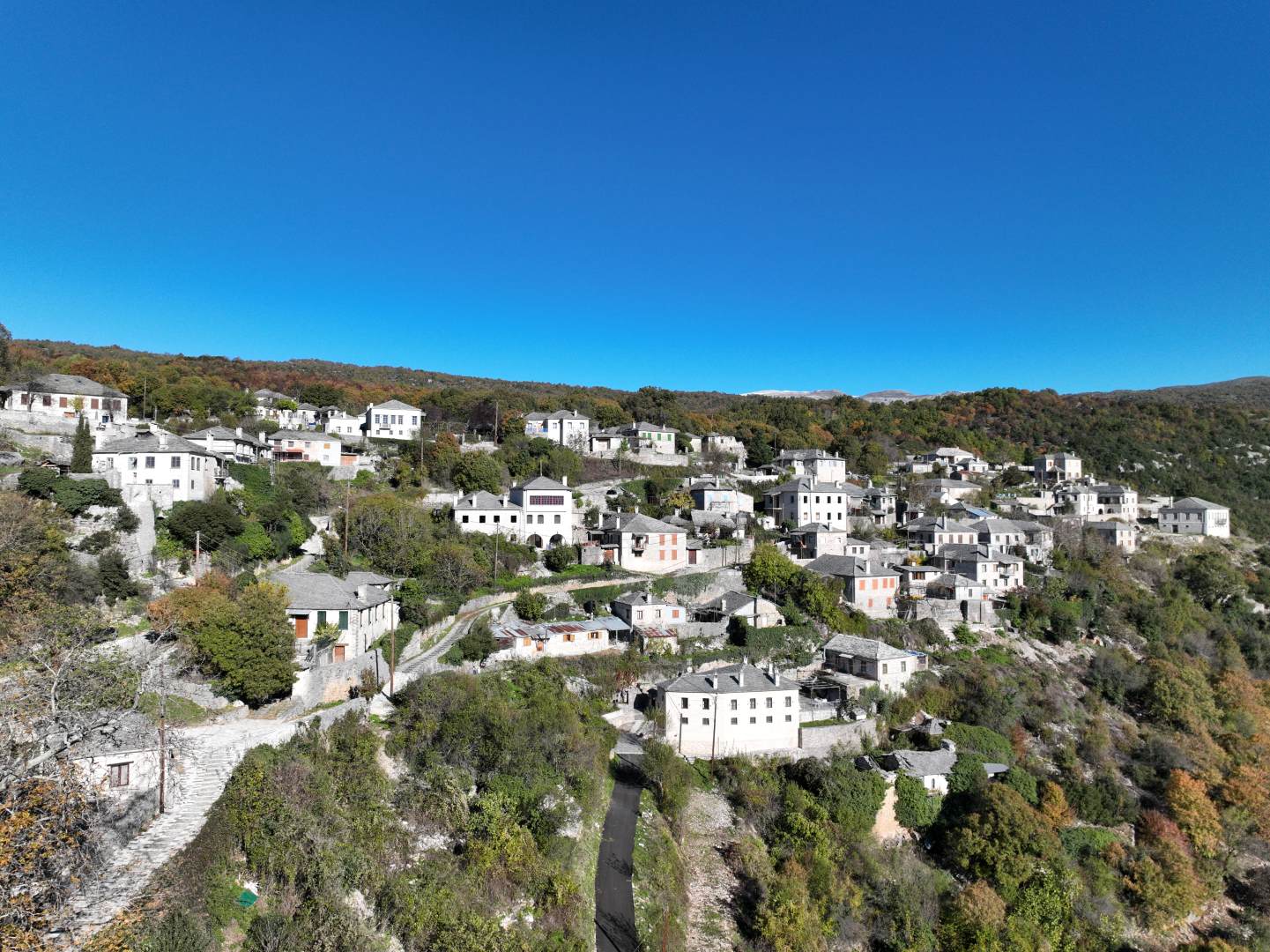
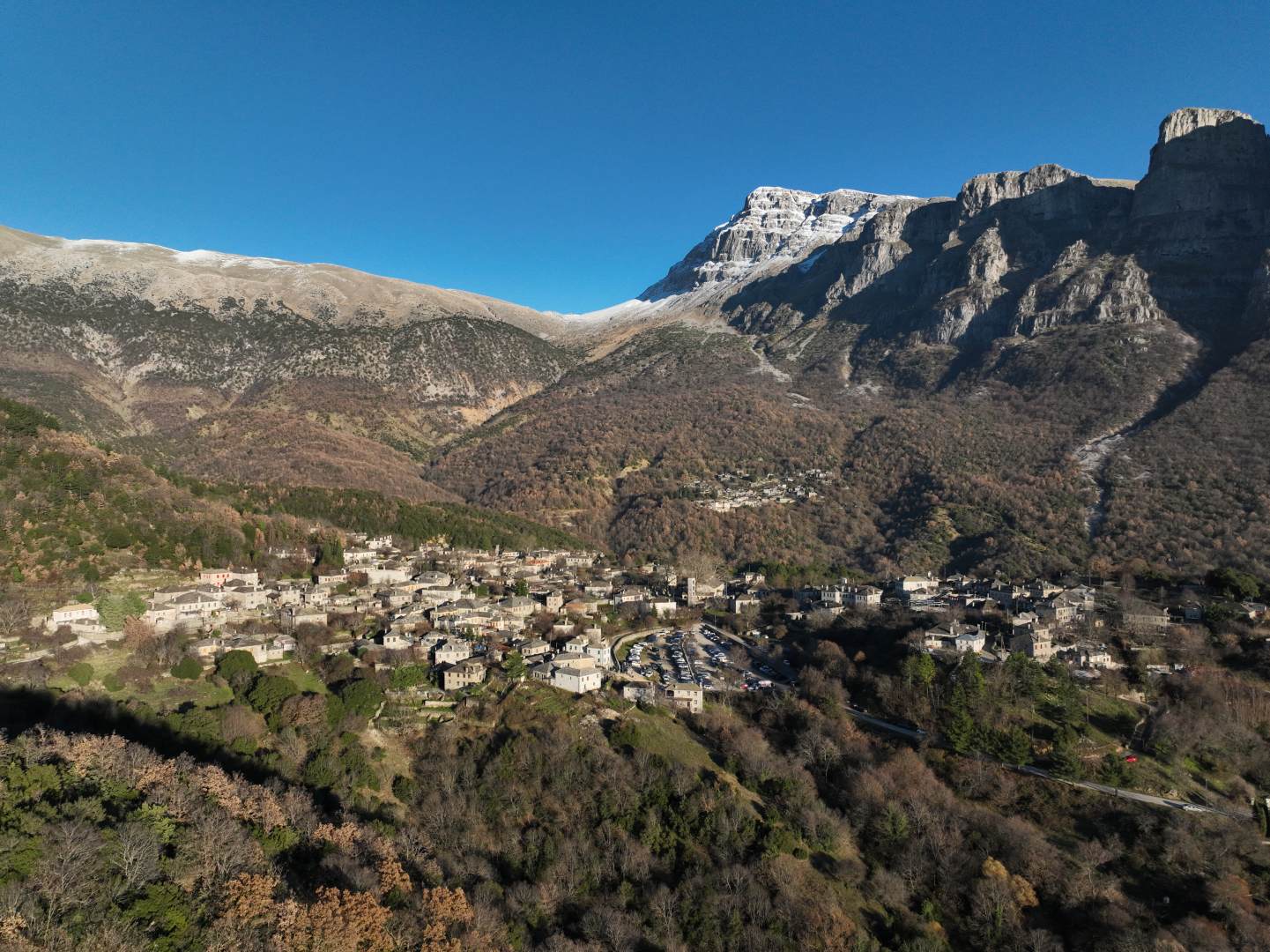
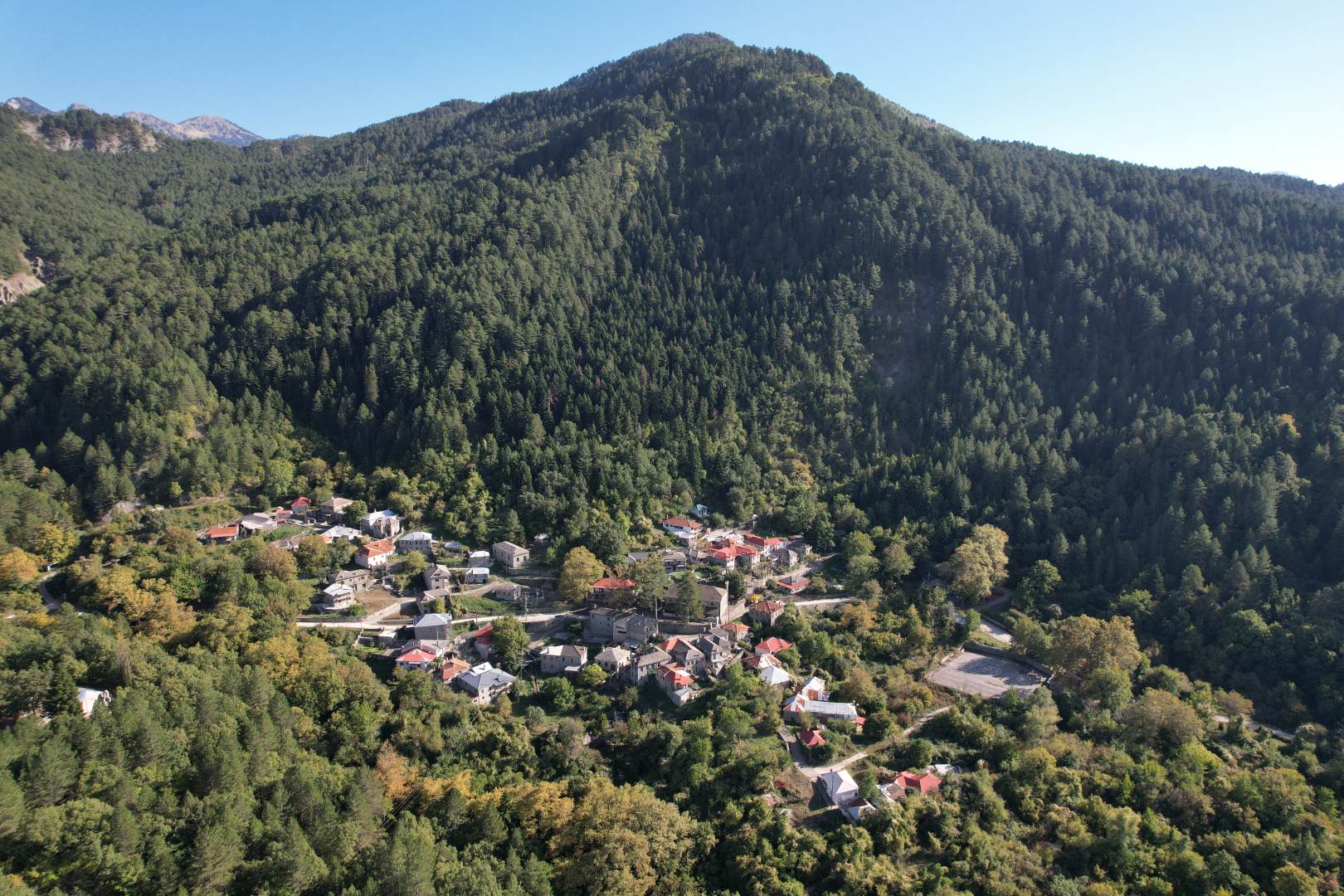
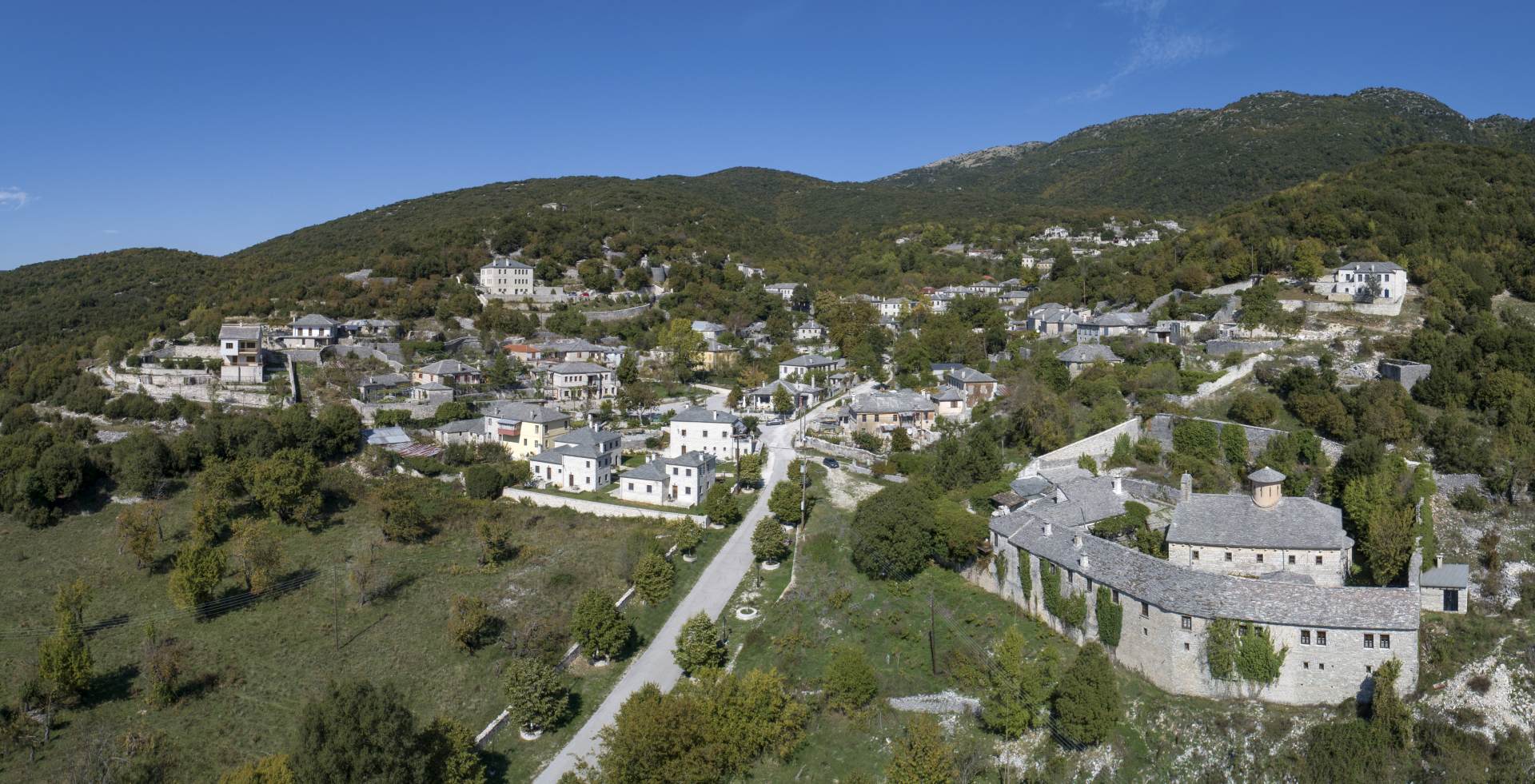
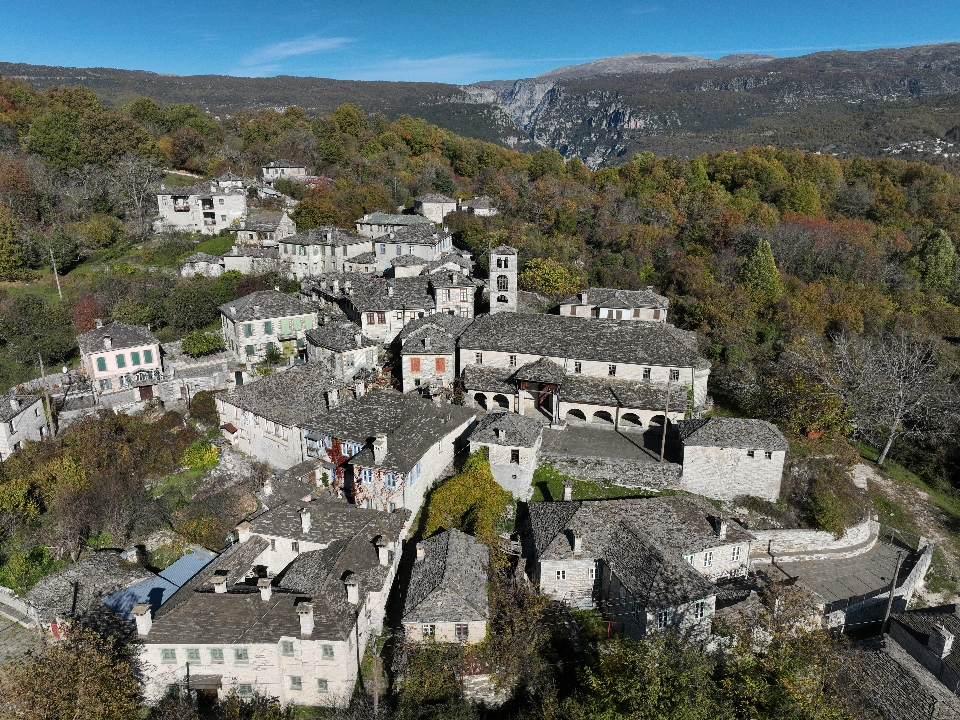
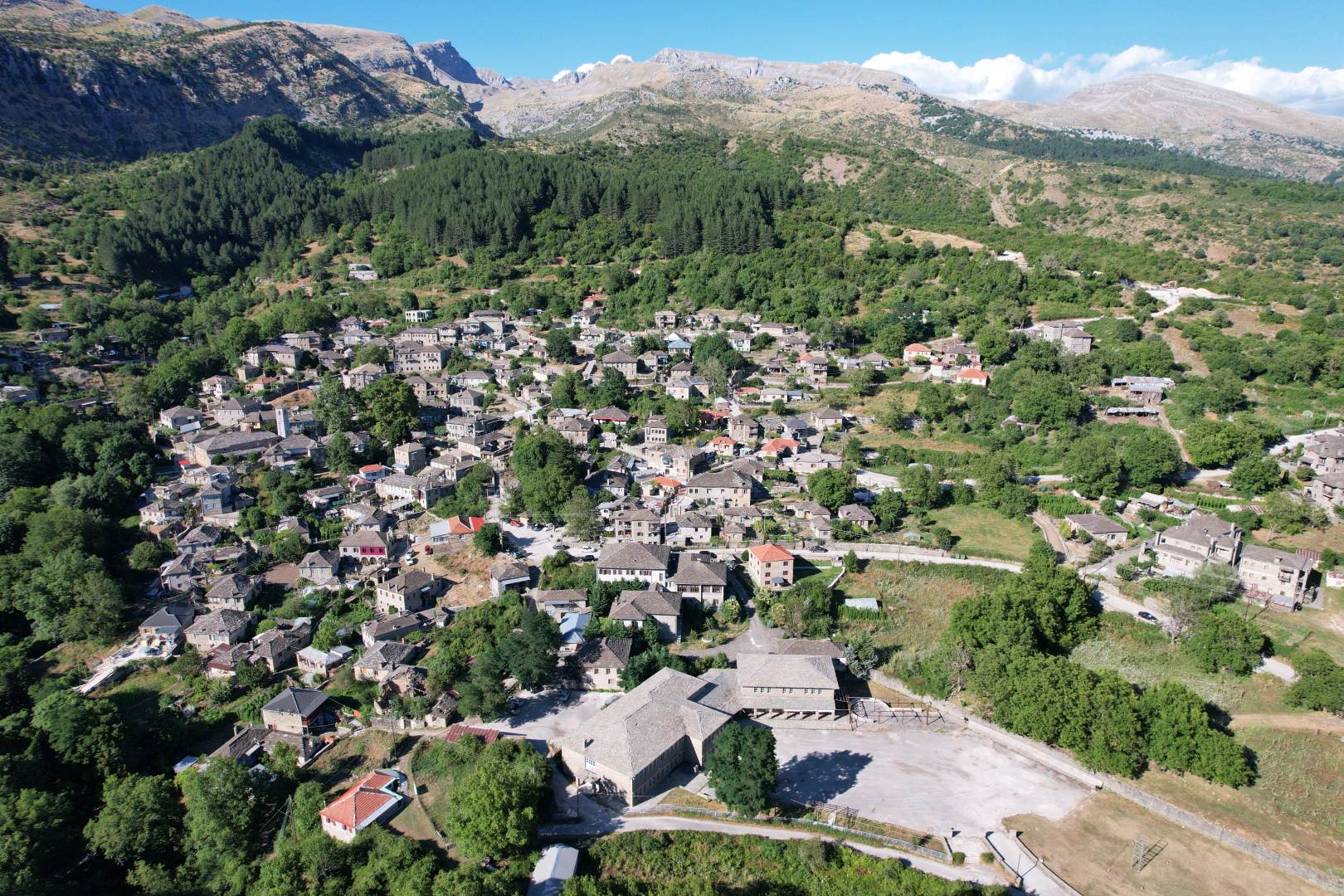
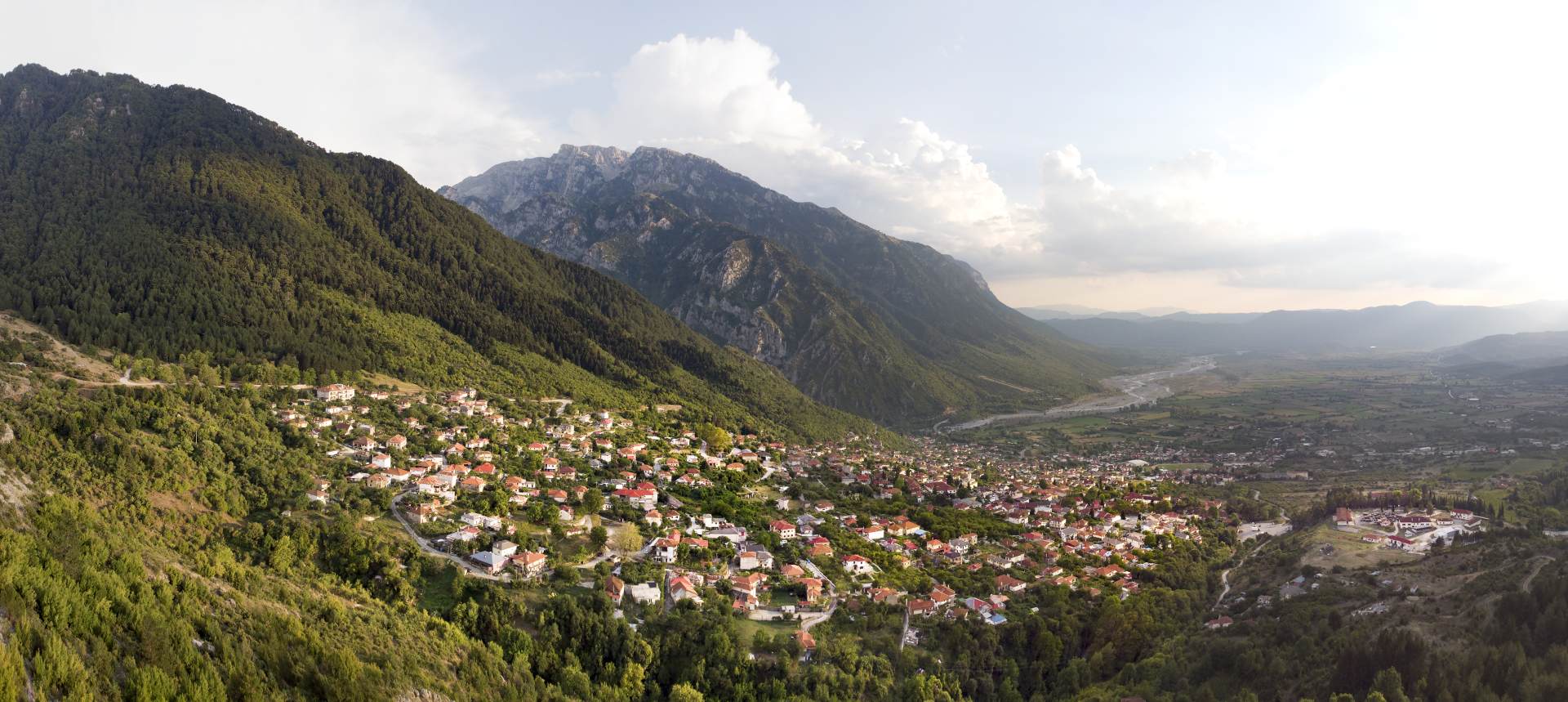
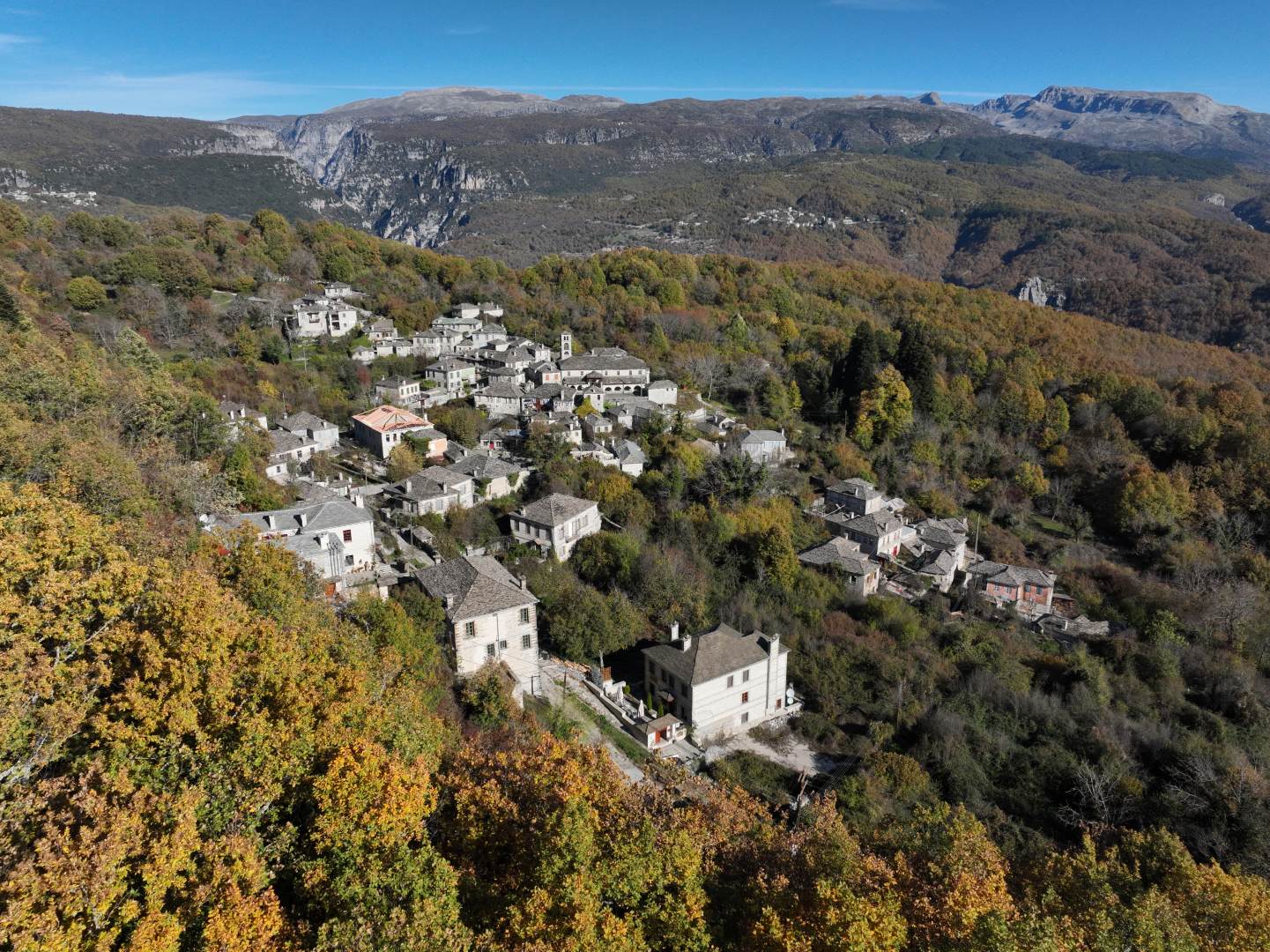
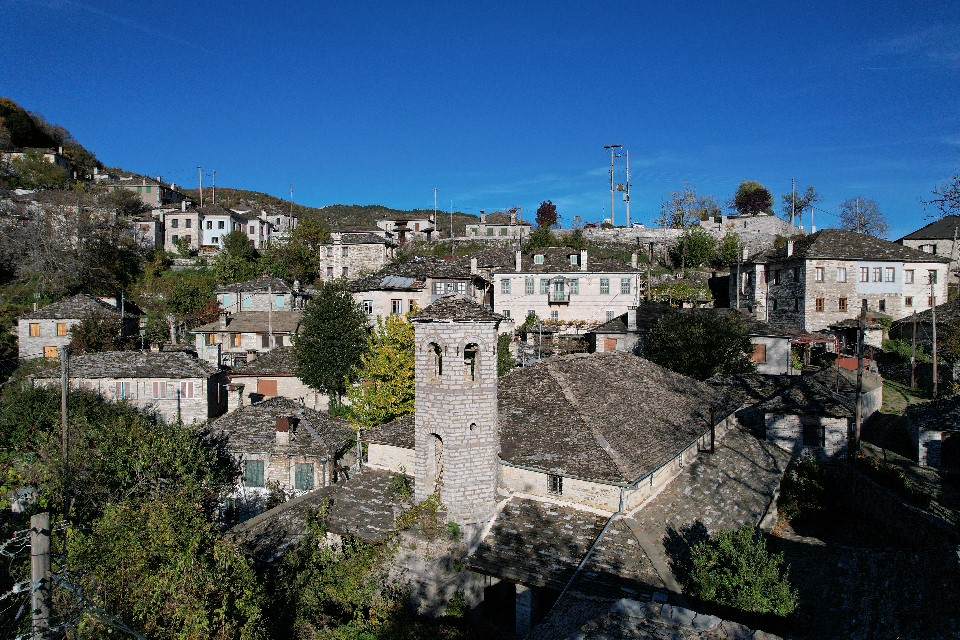
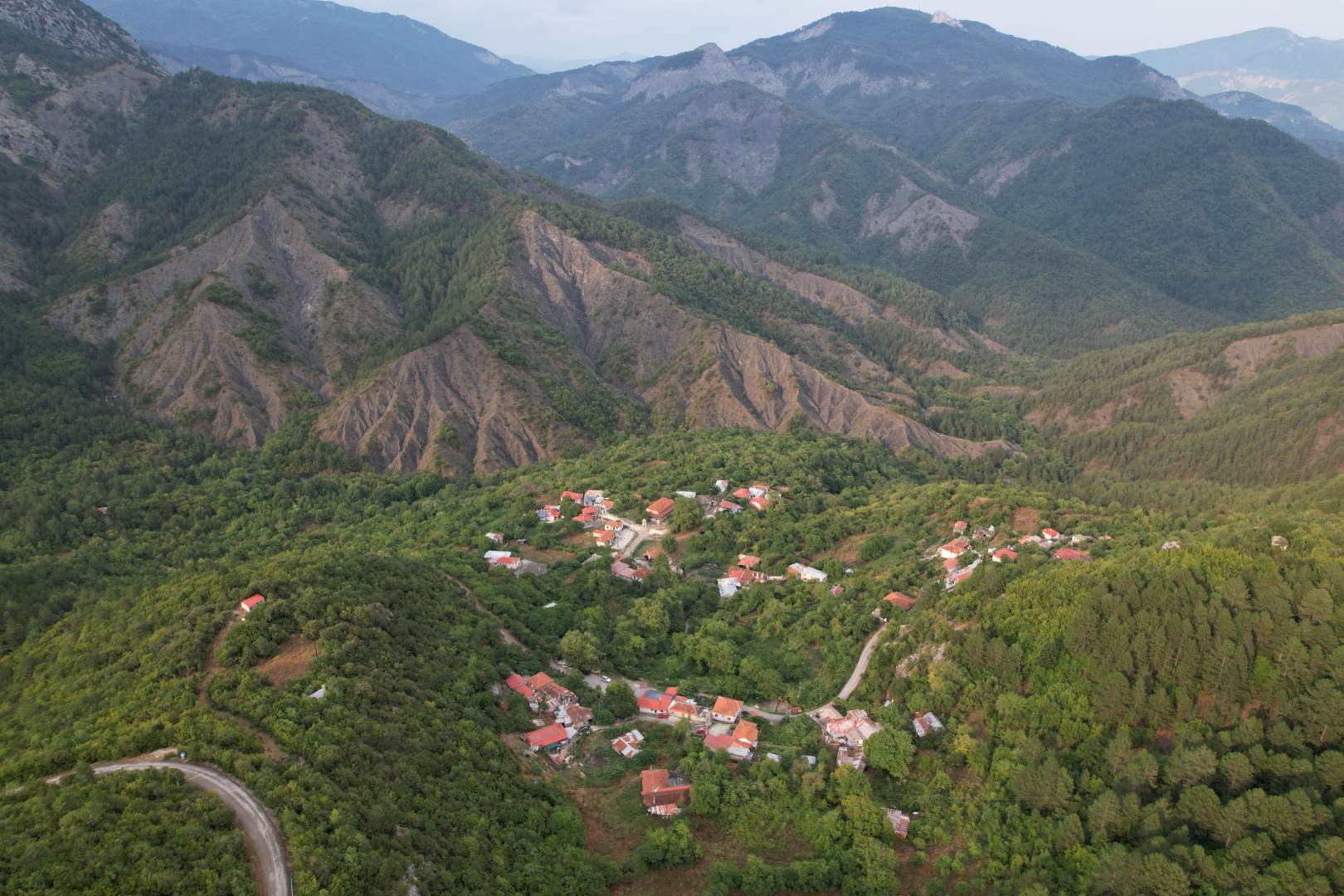
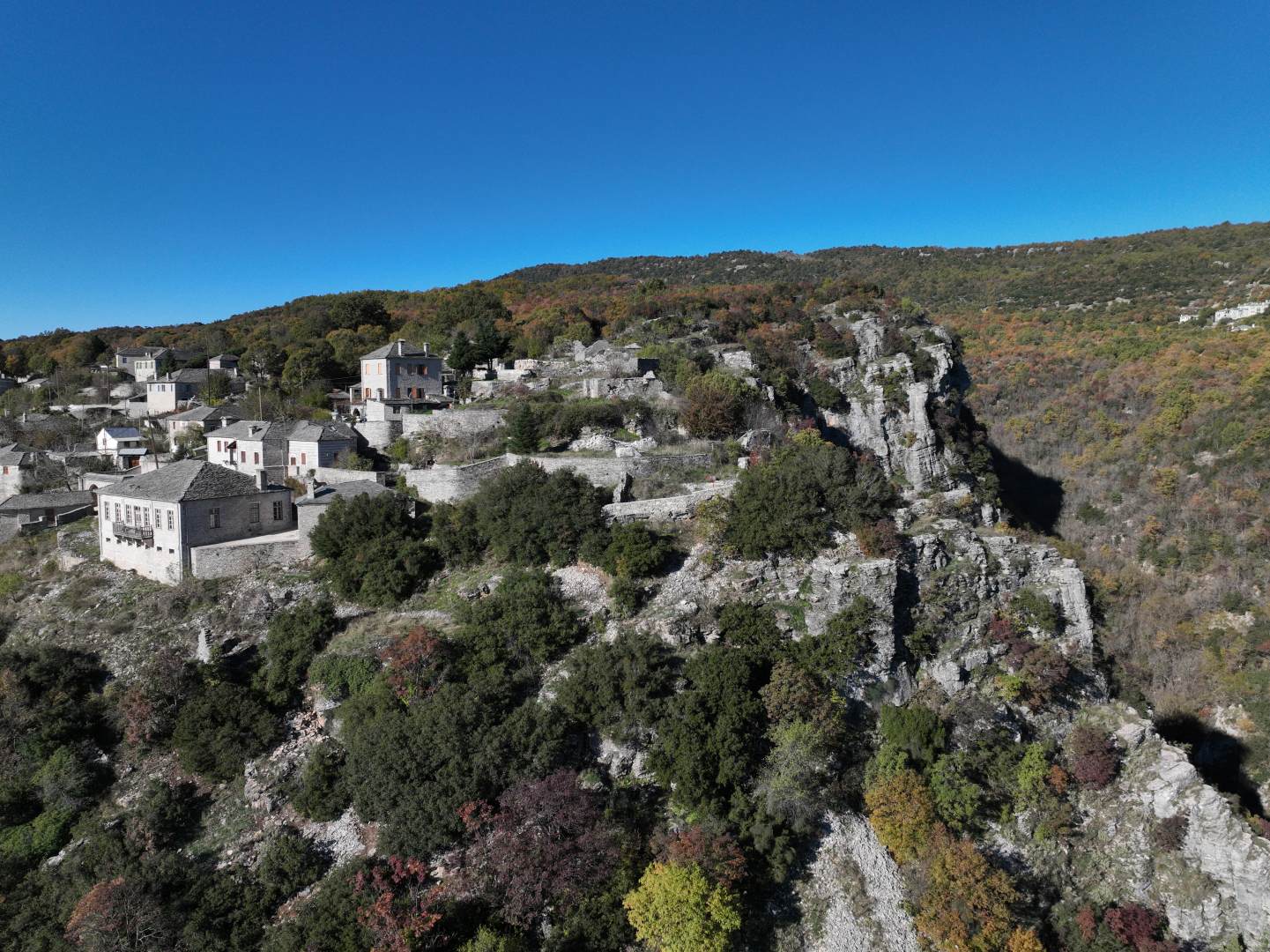
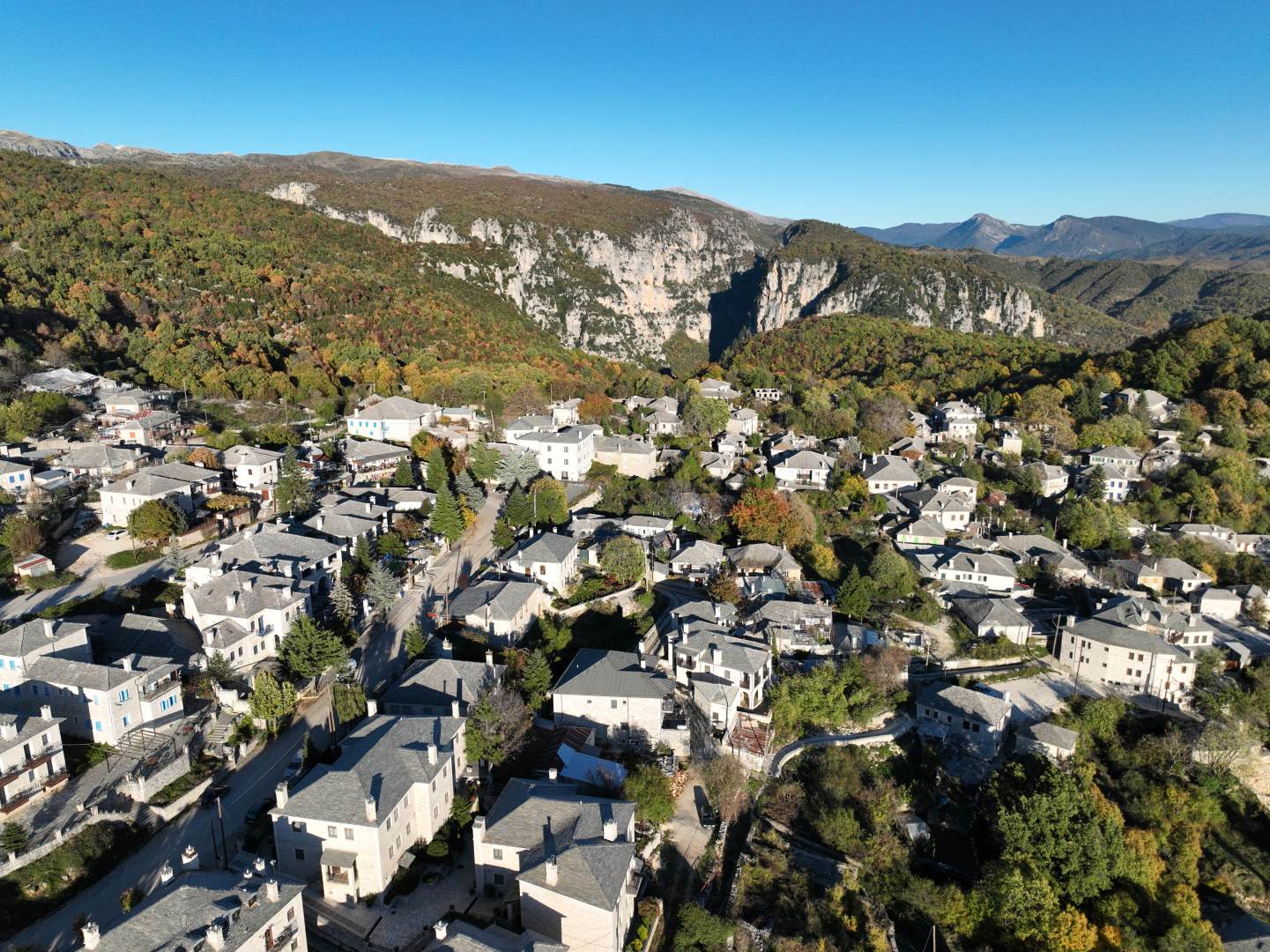
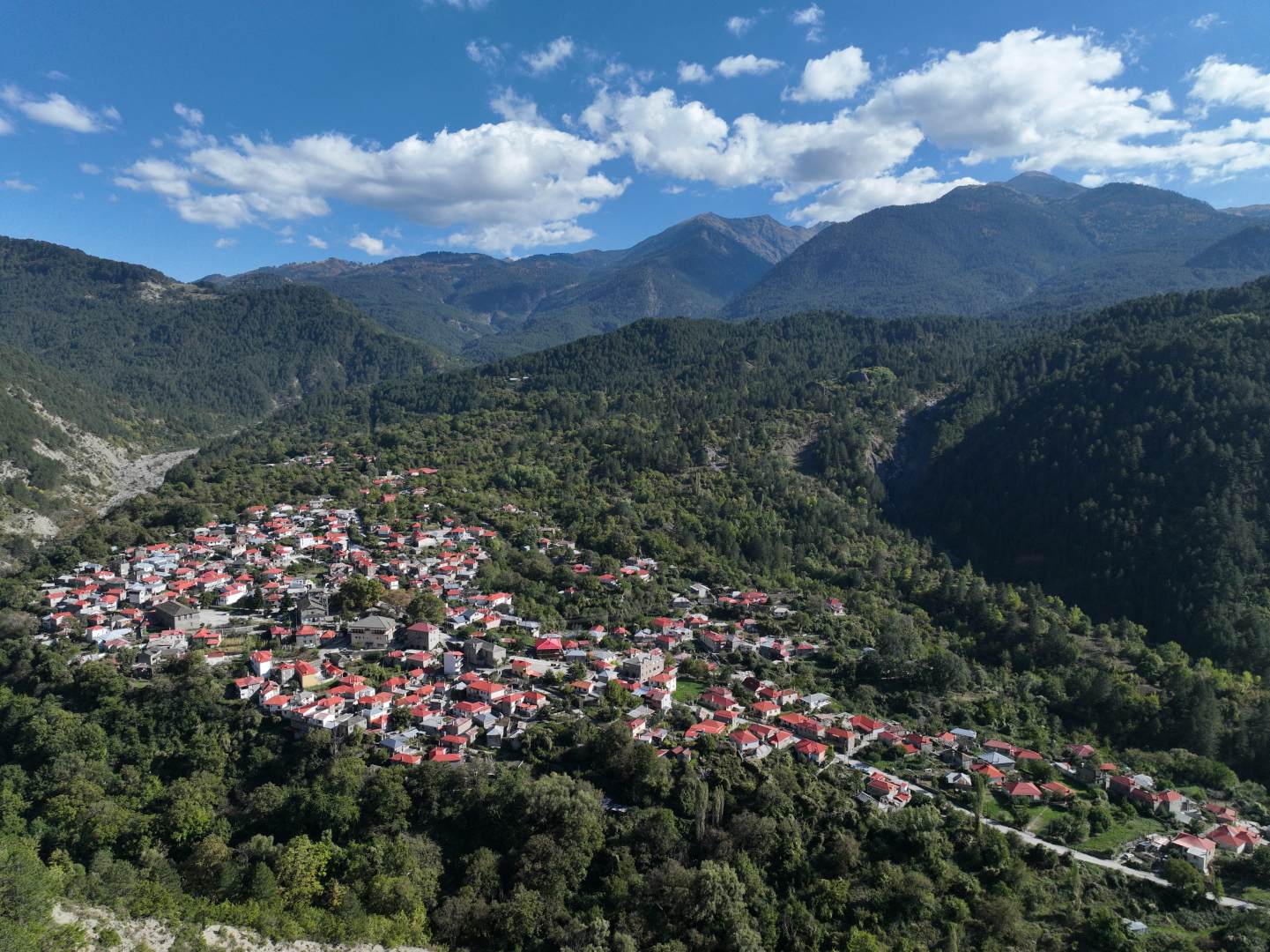
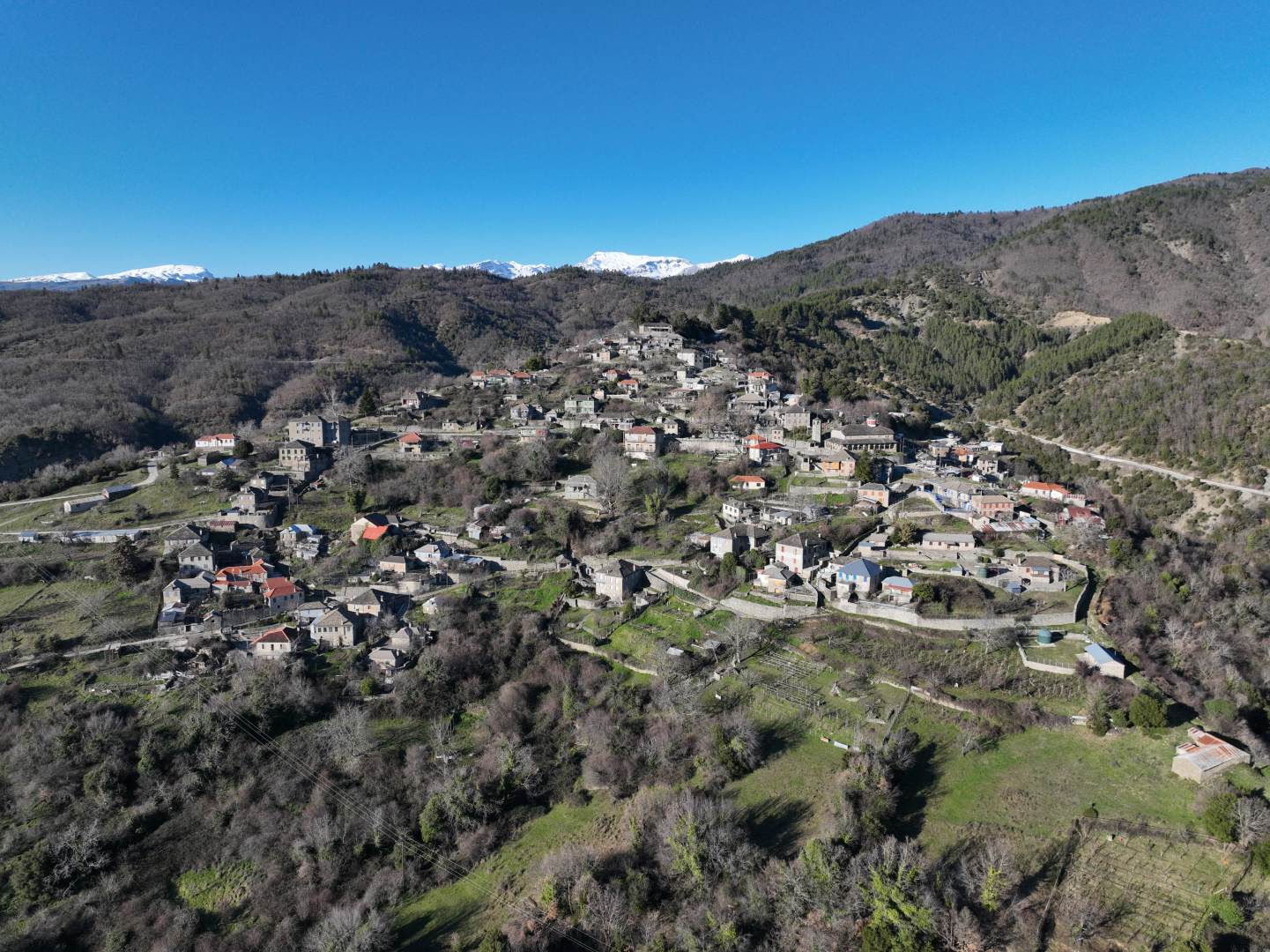
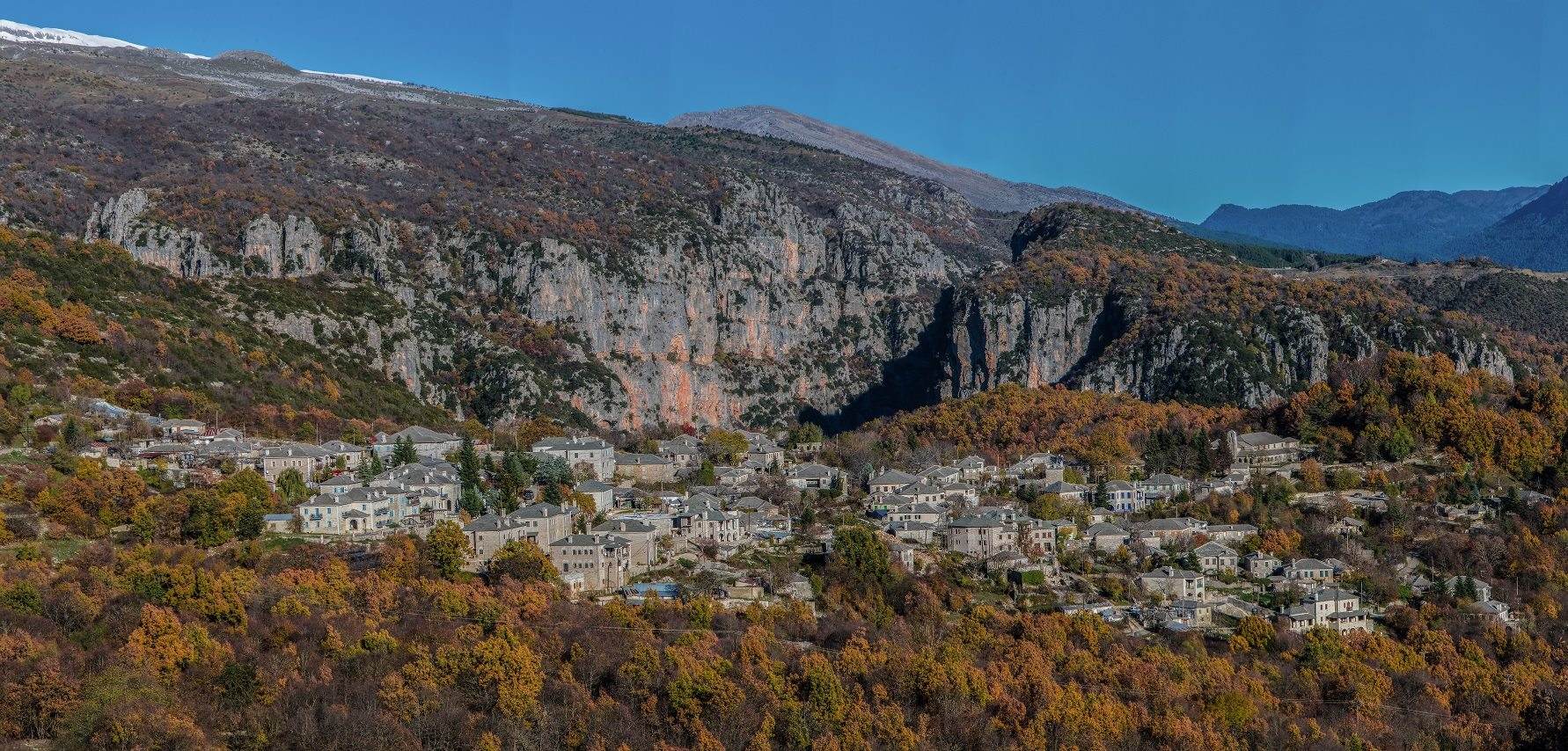
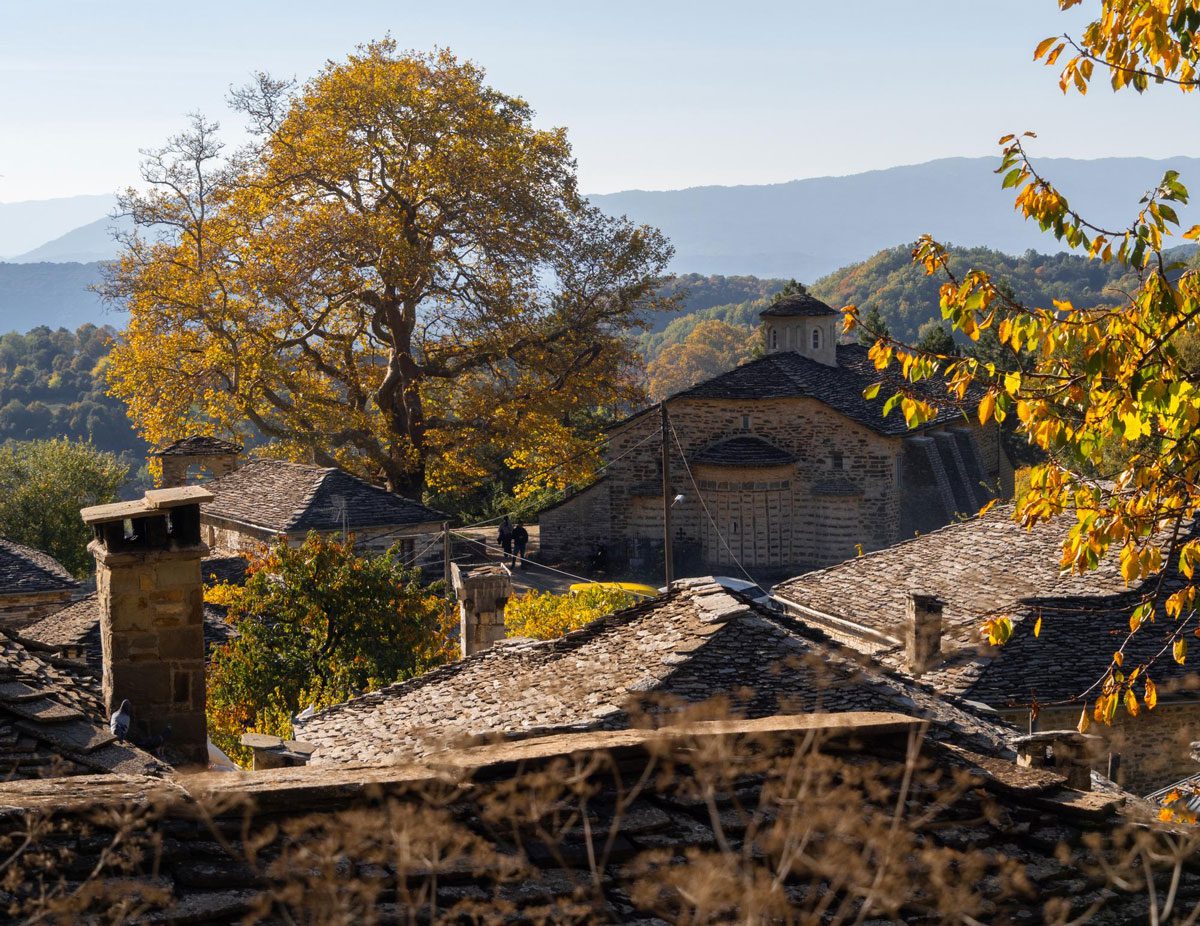
The region of Epirus and, more specifically, the Vikos-Aoos Geopark historically shaped through a dispersed settlement system, directly linked to the physical geography, river valleys and mountain basins, where human settlements developed from prehistoric times and became spatially stabilised from the 16th century onwards, creating a unified cultural landscape where the natural and the man-made environment coexist indistinguishably.
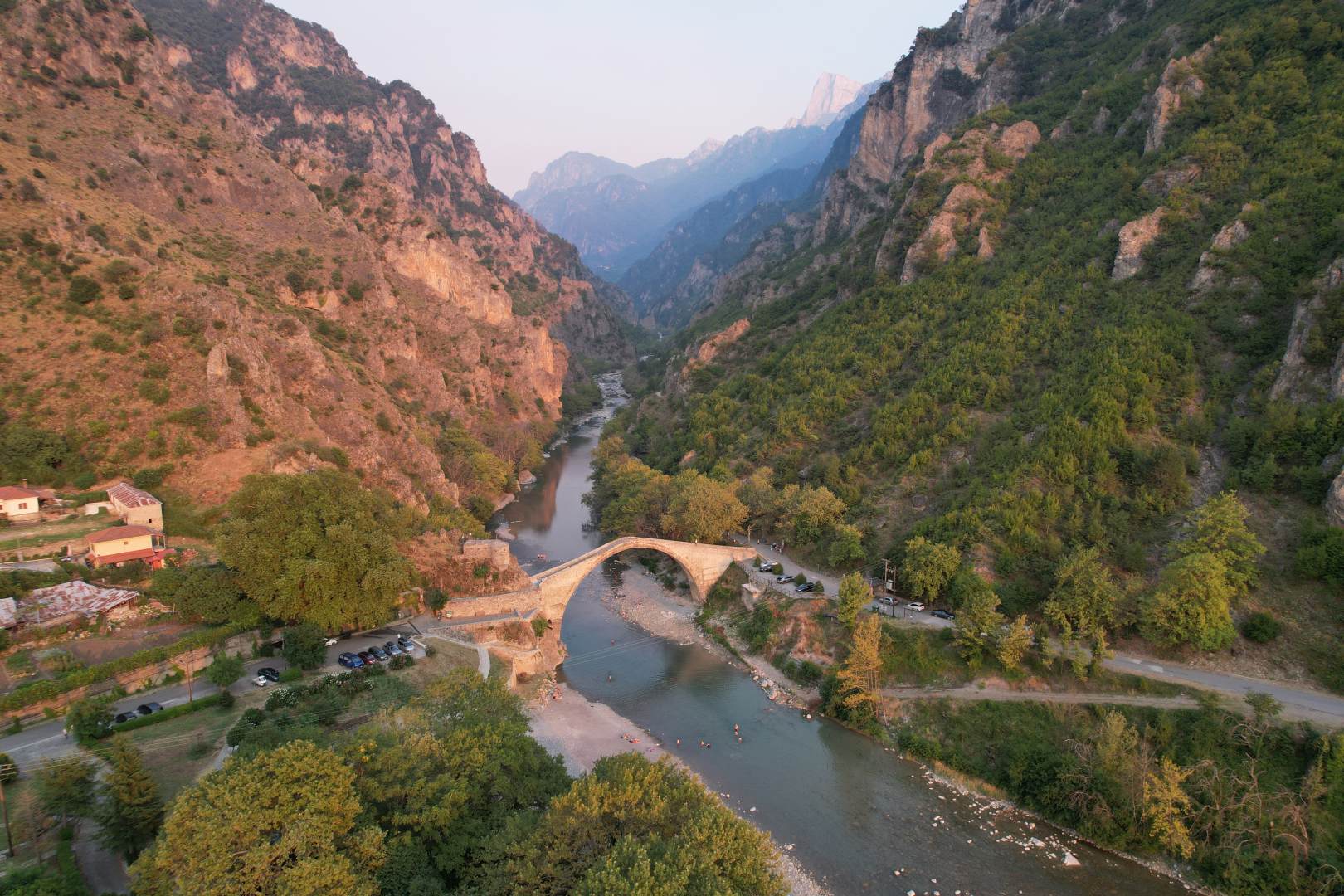
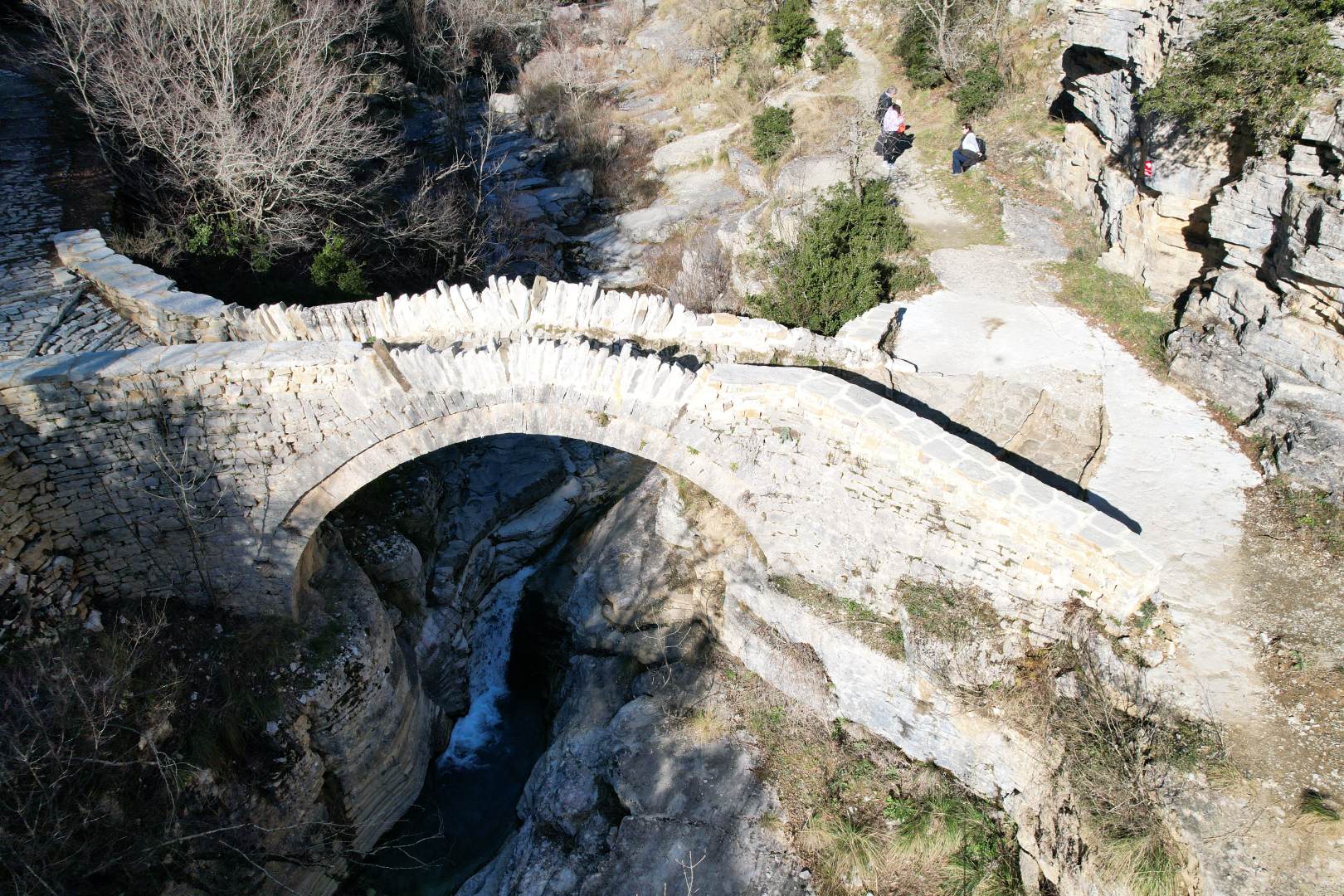
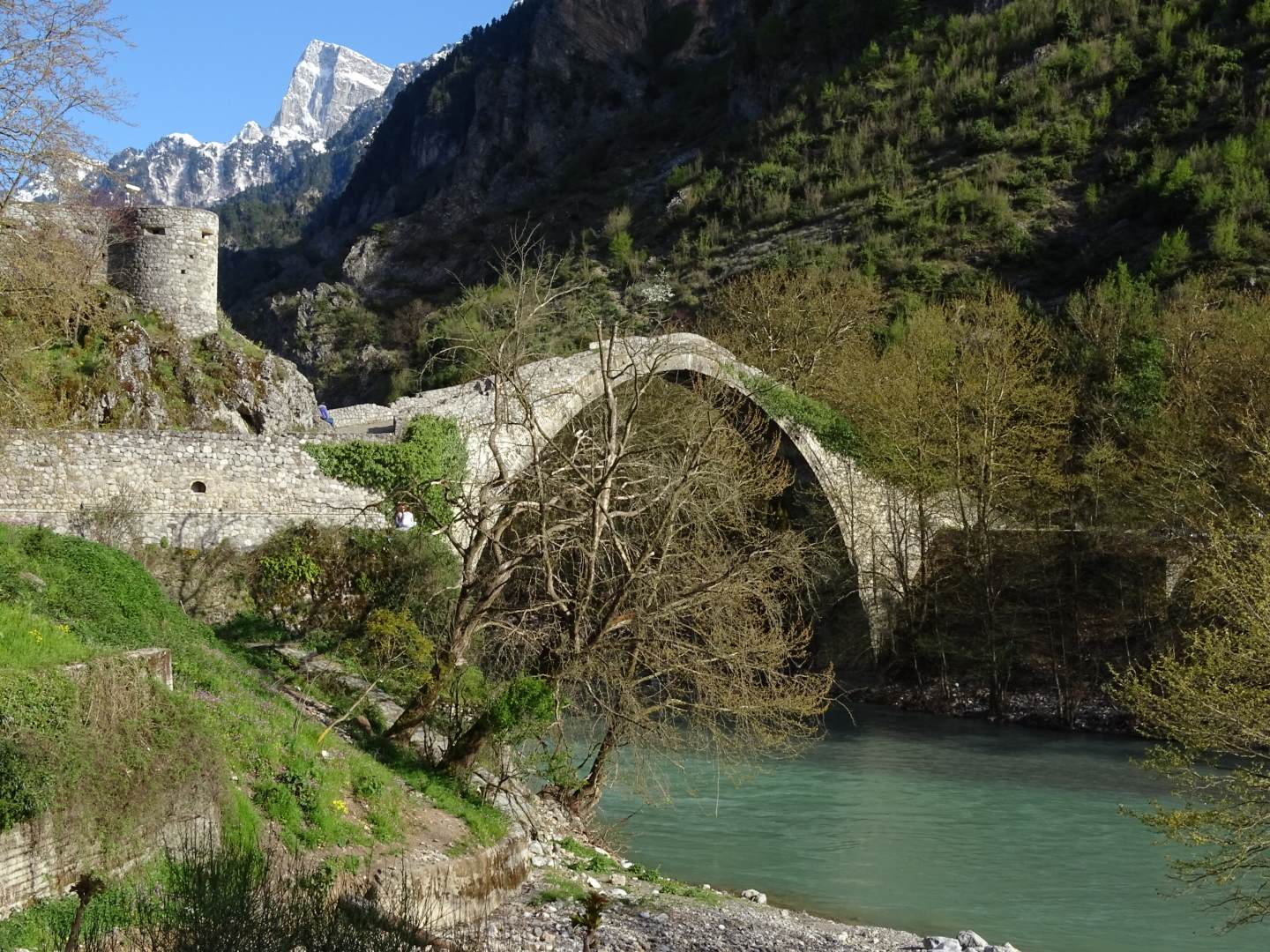
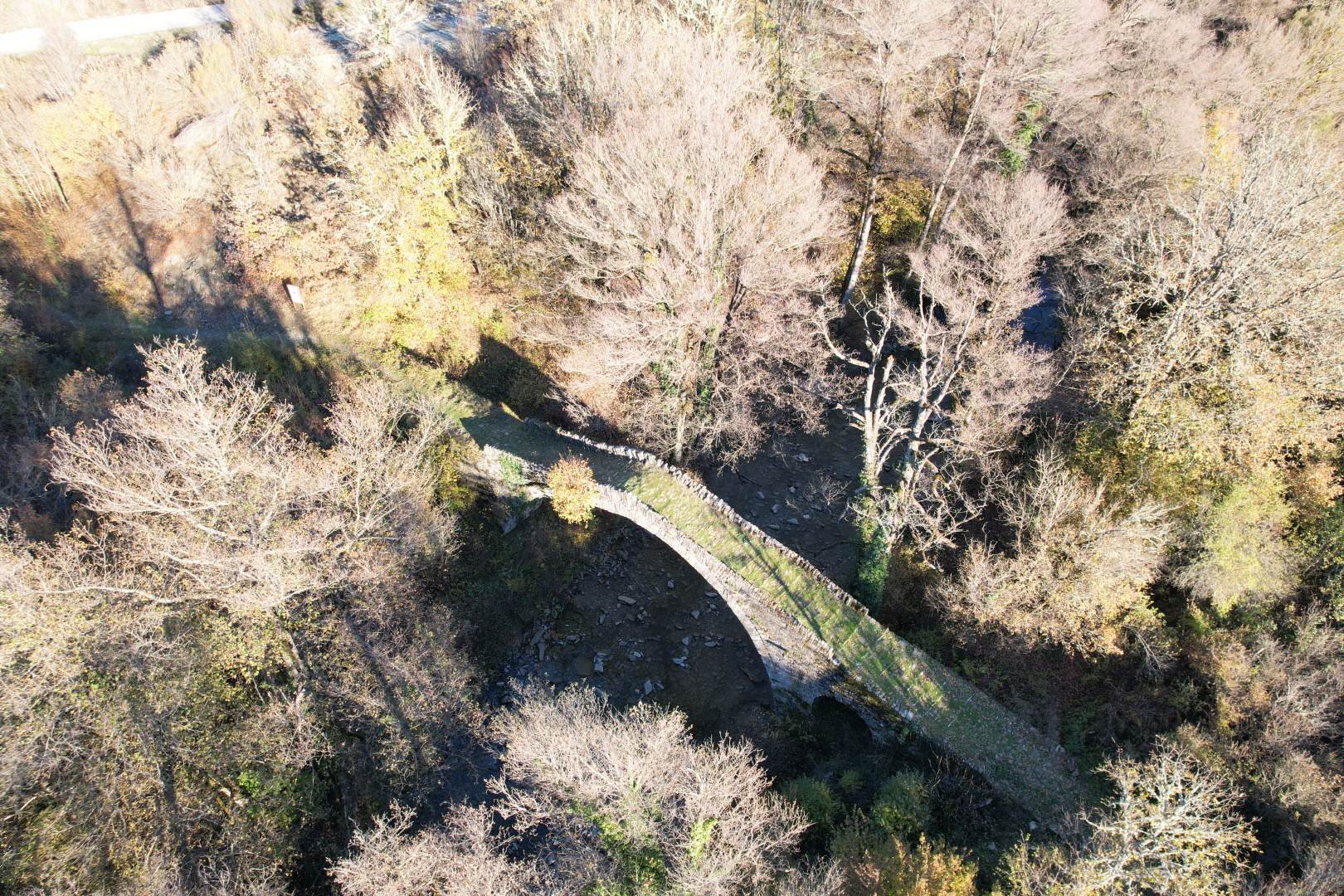
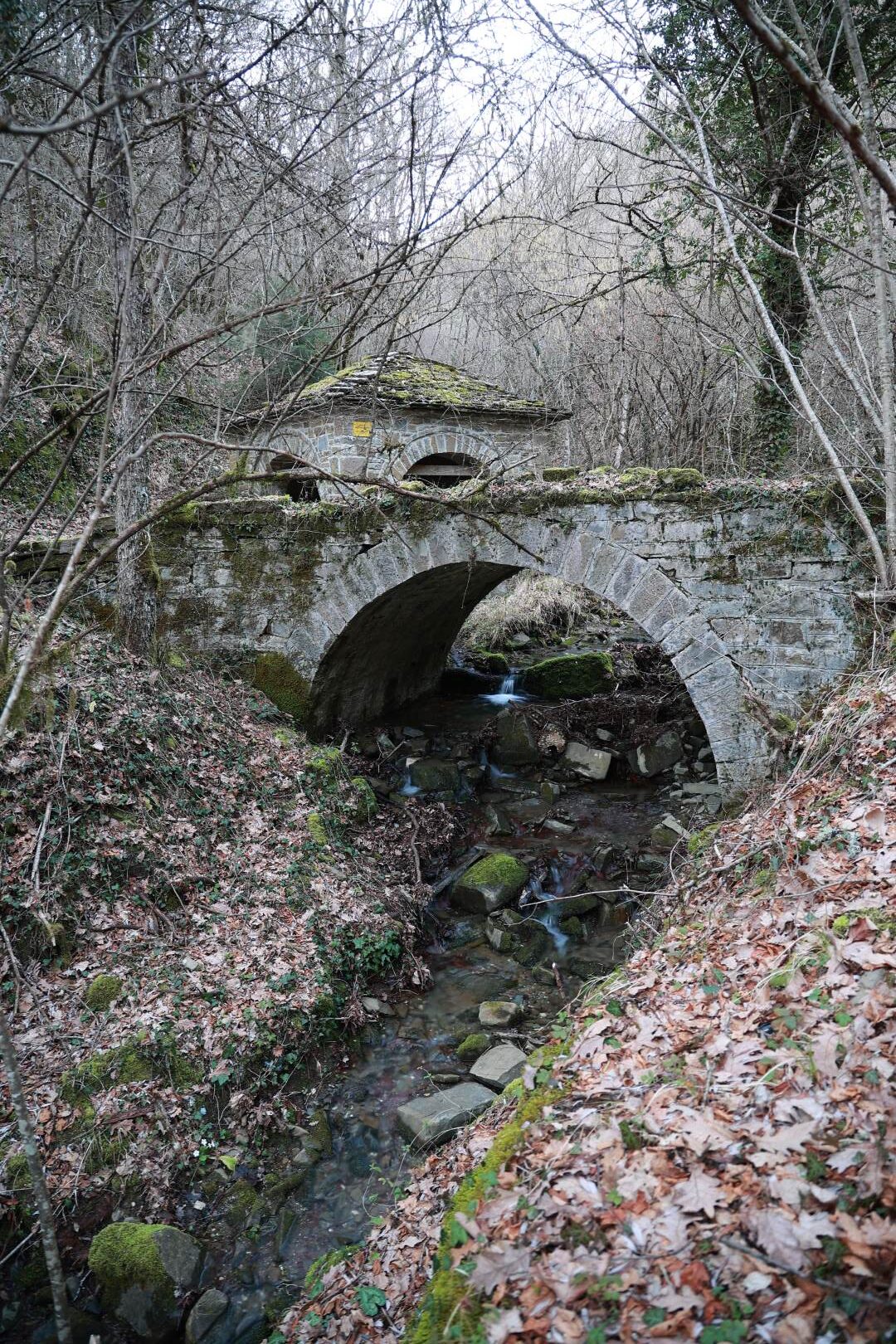
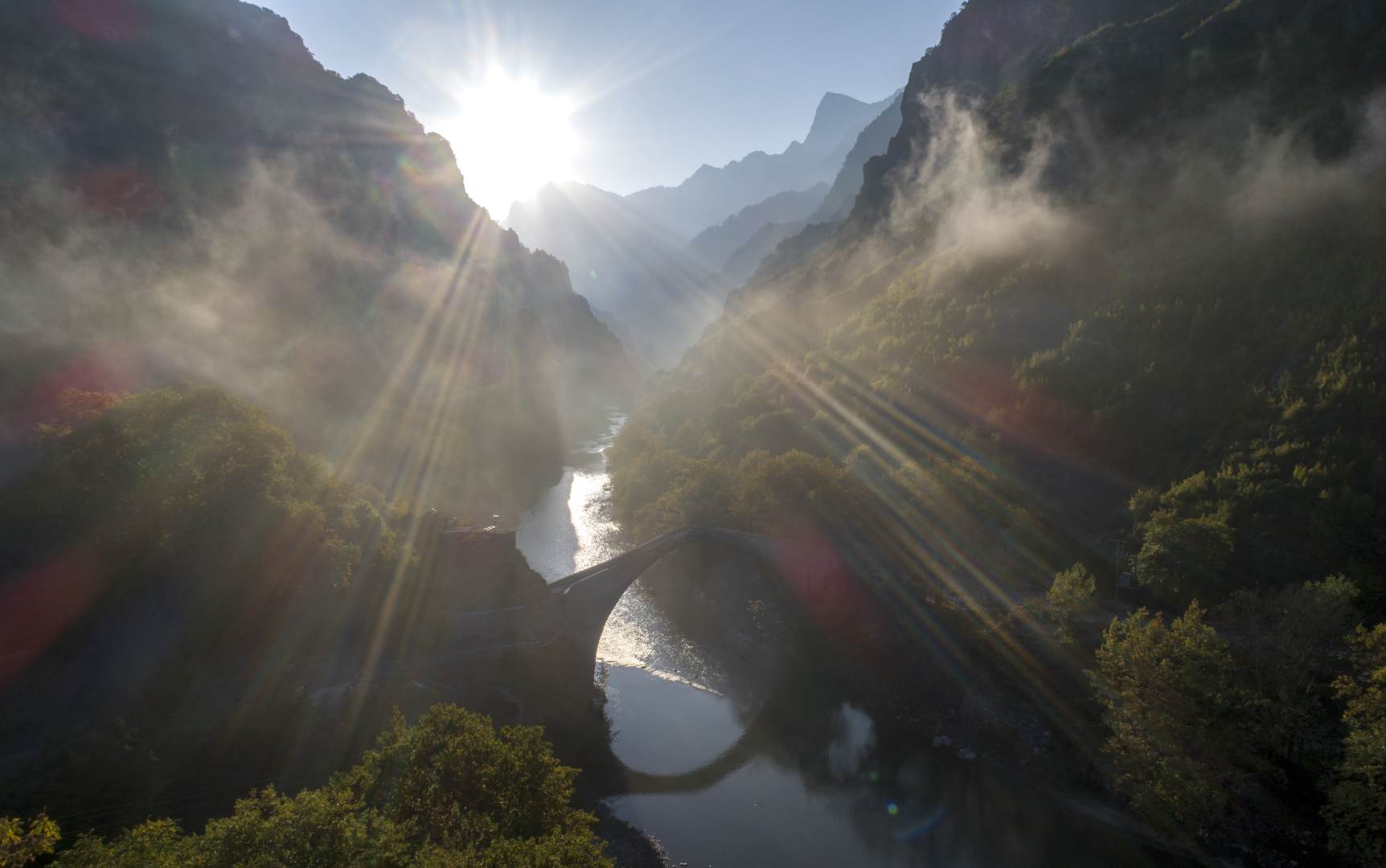
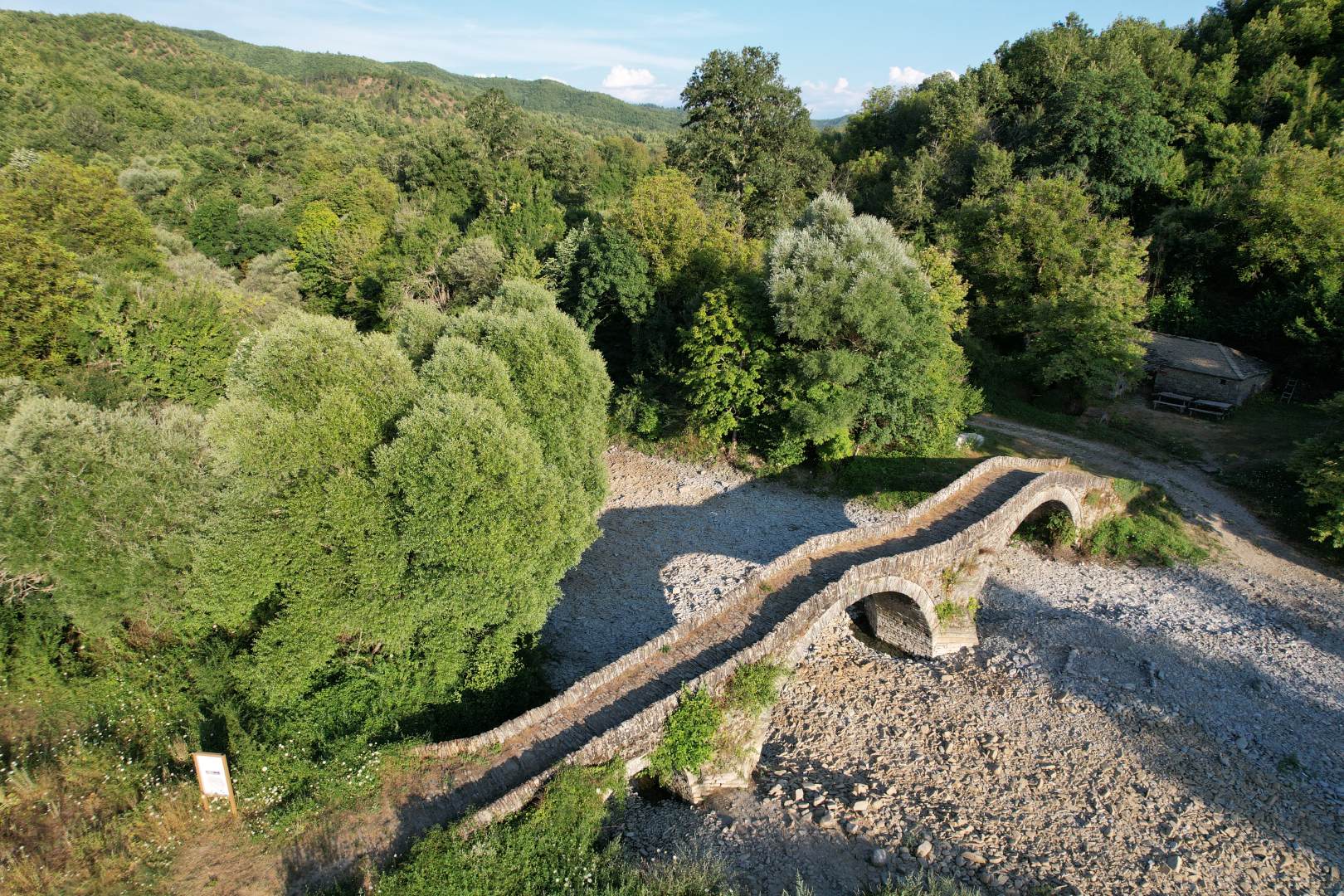
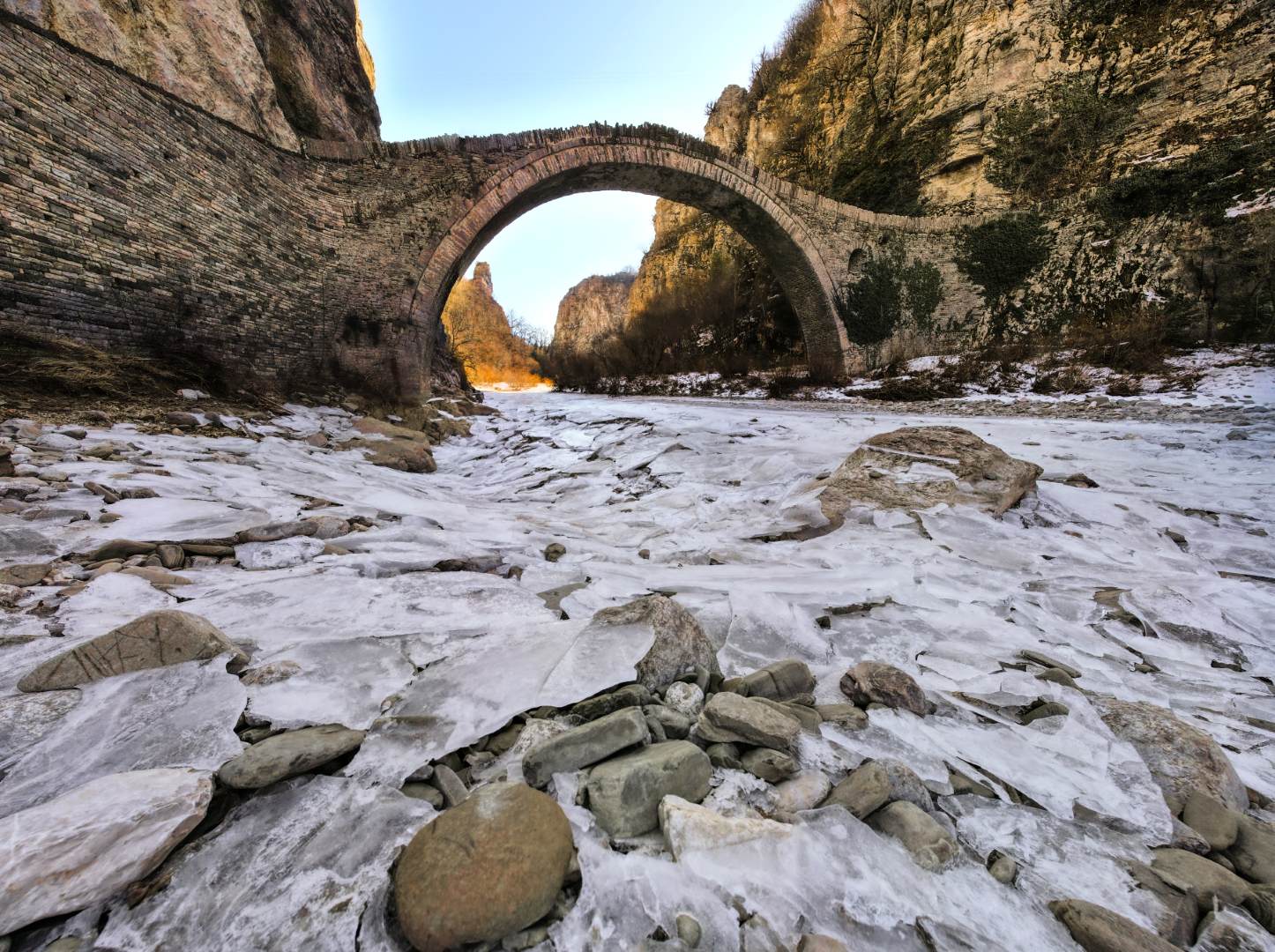
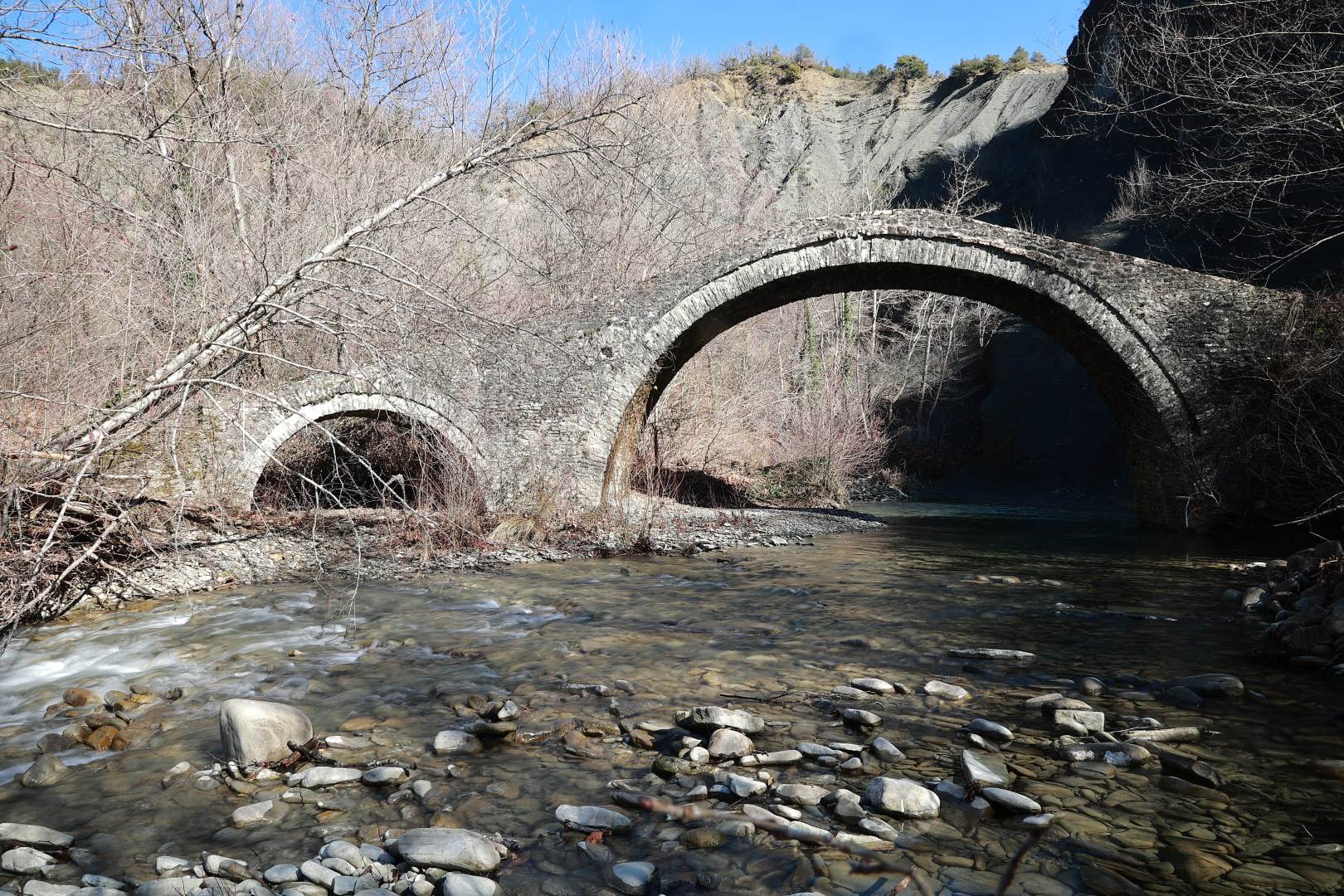
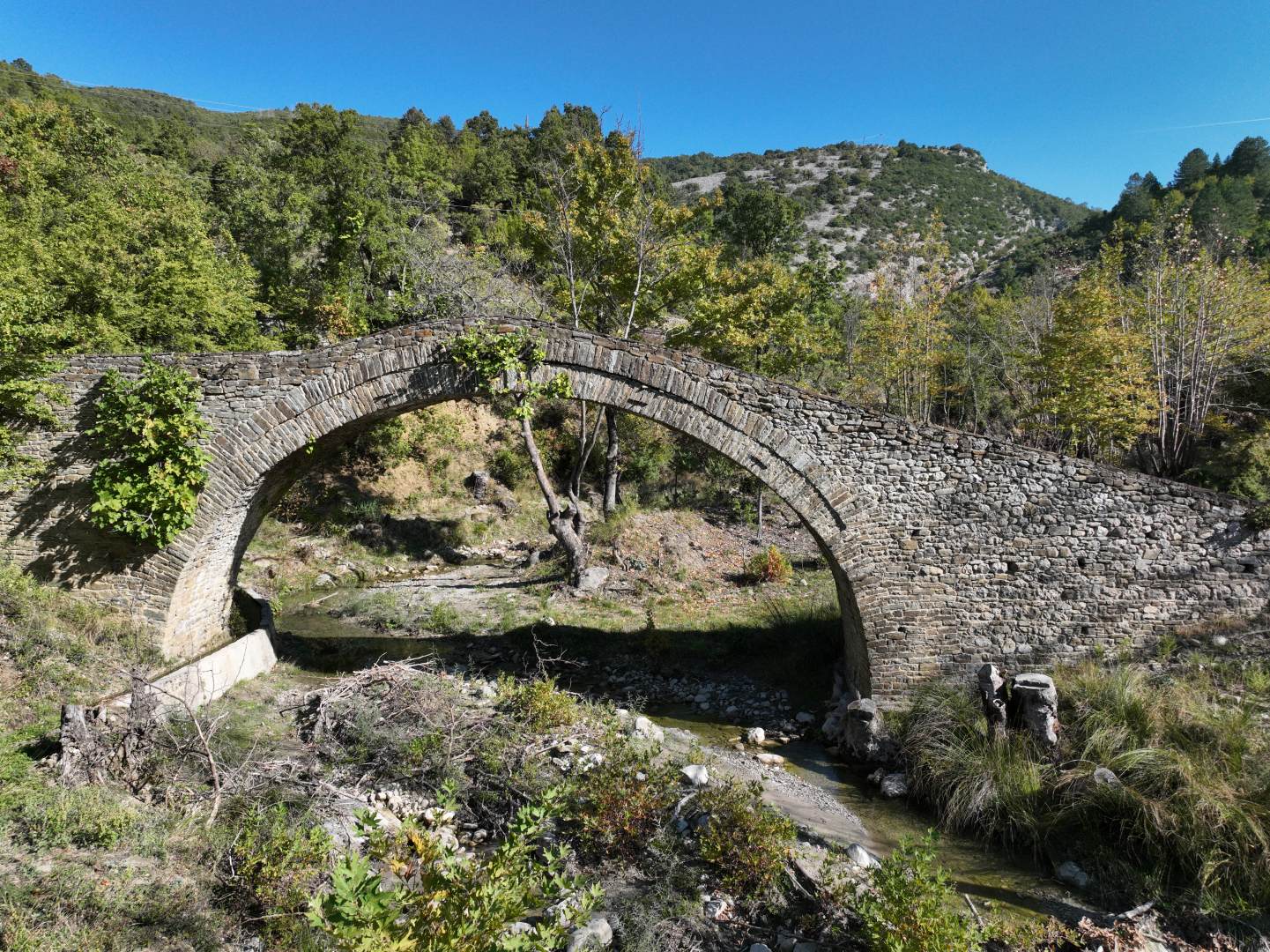
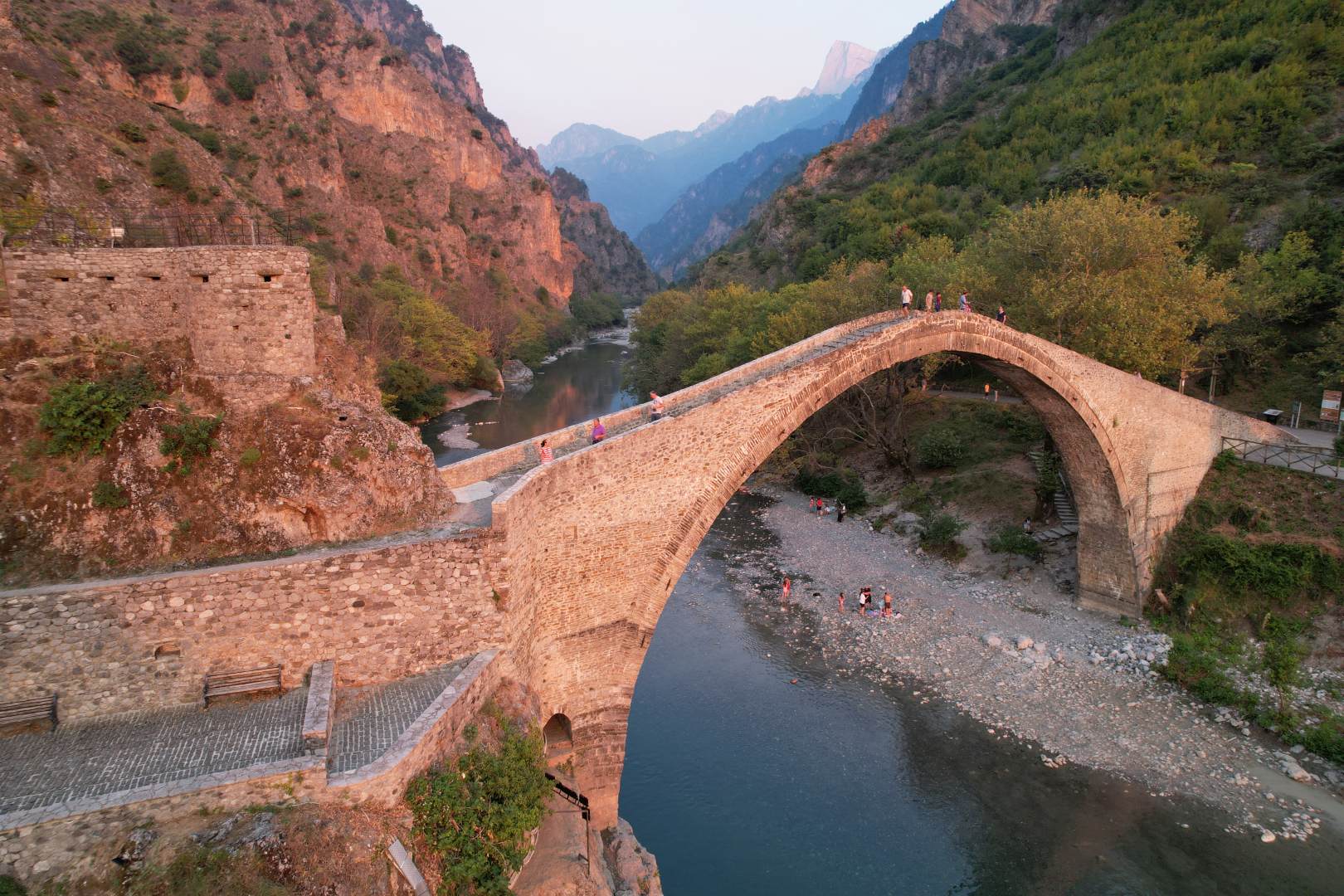
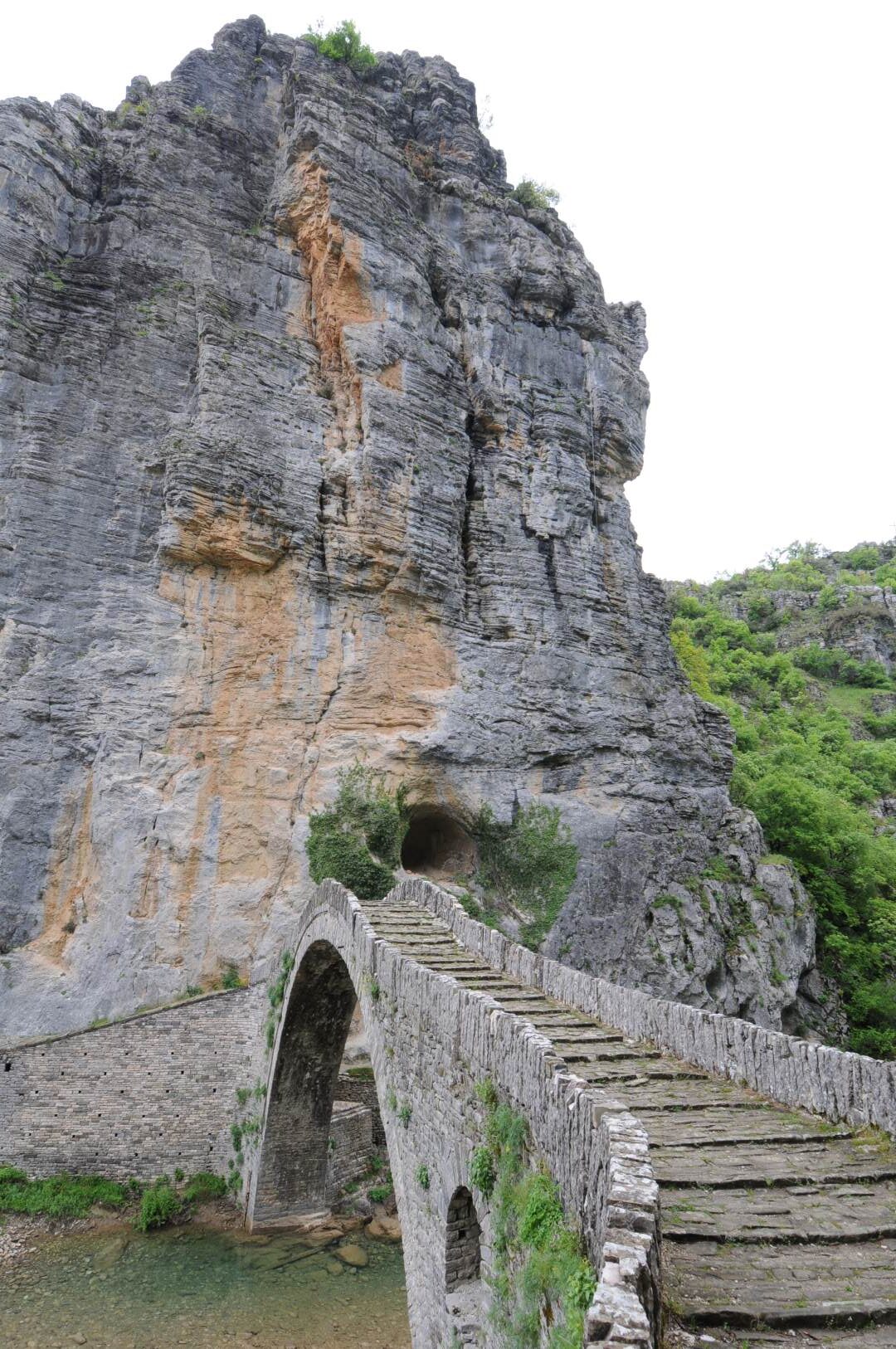
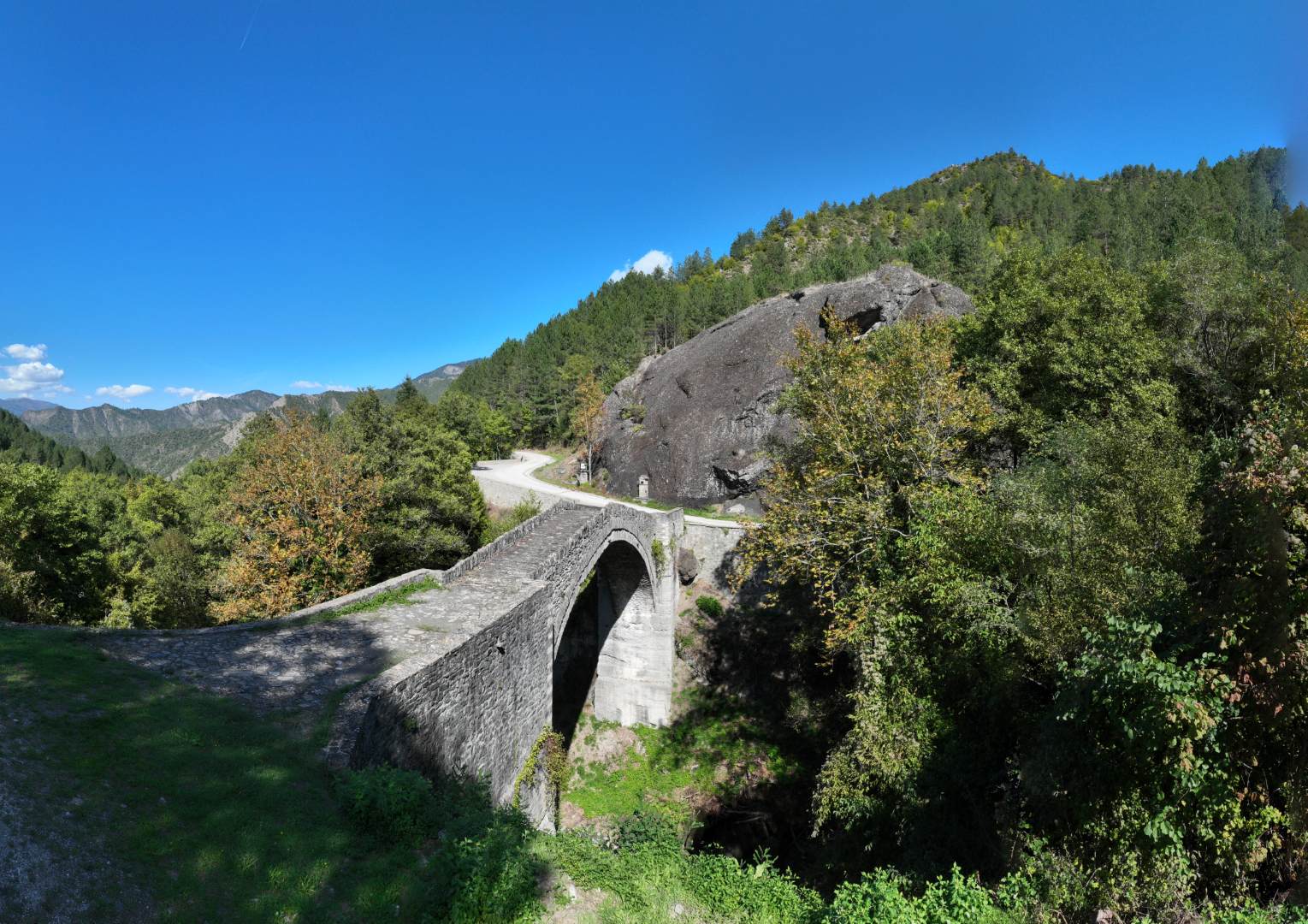
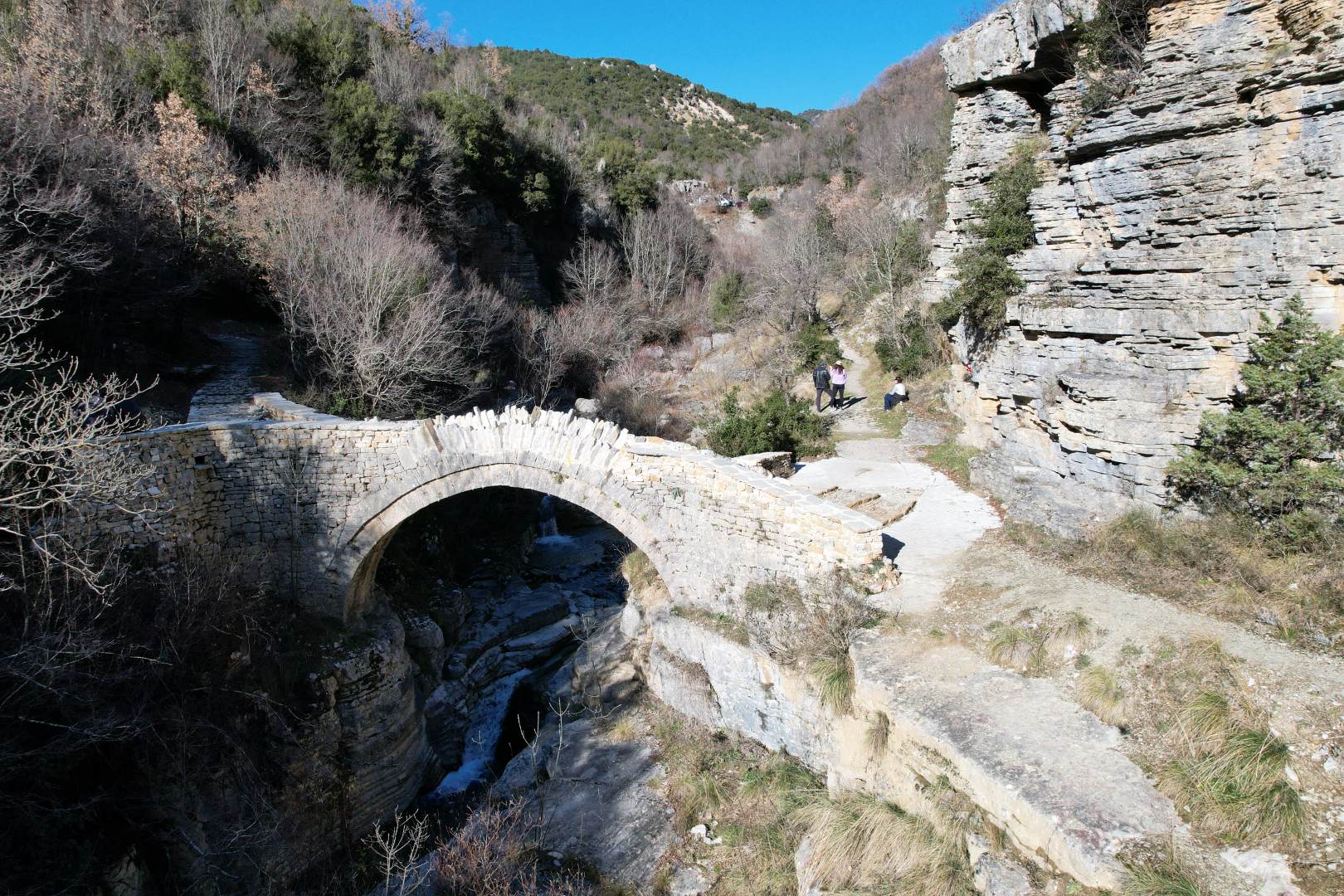
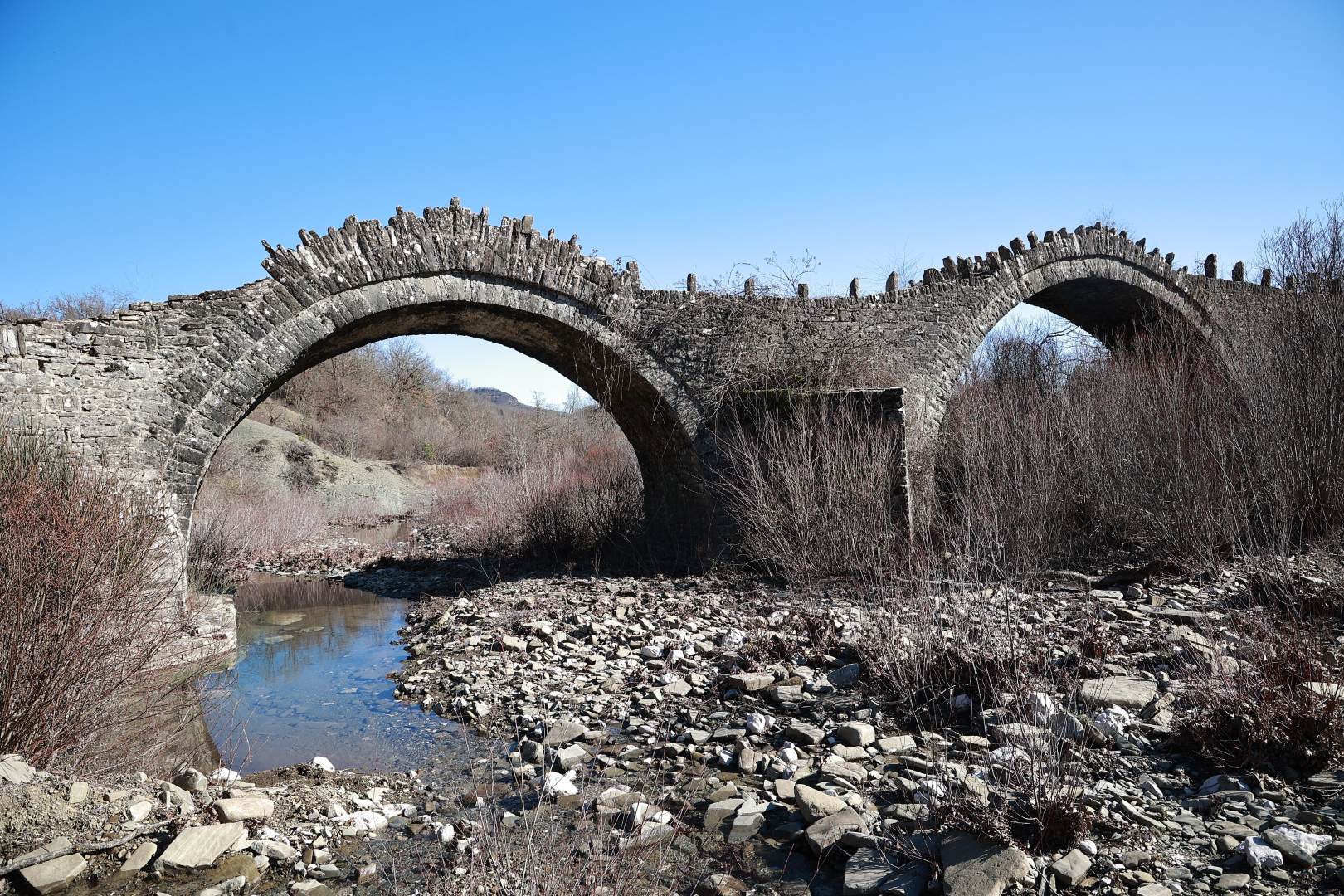
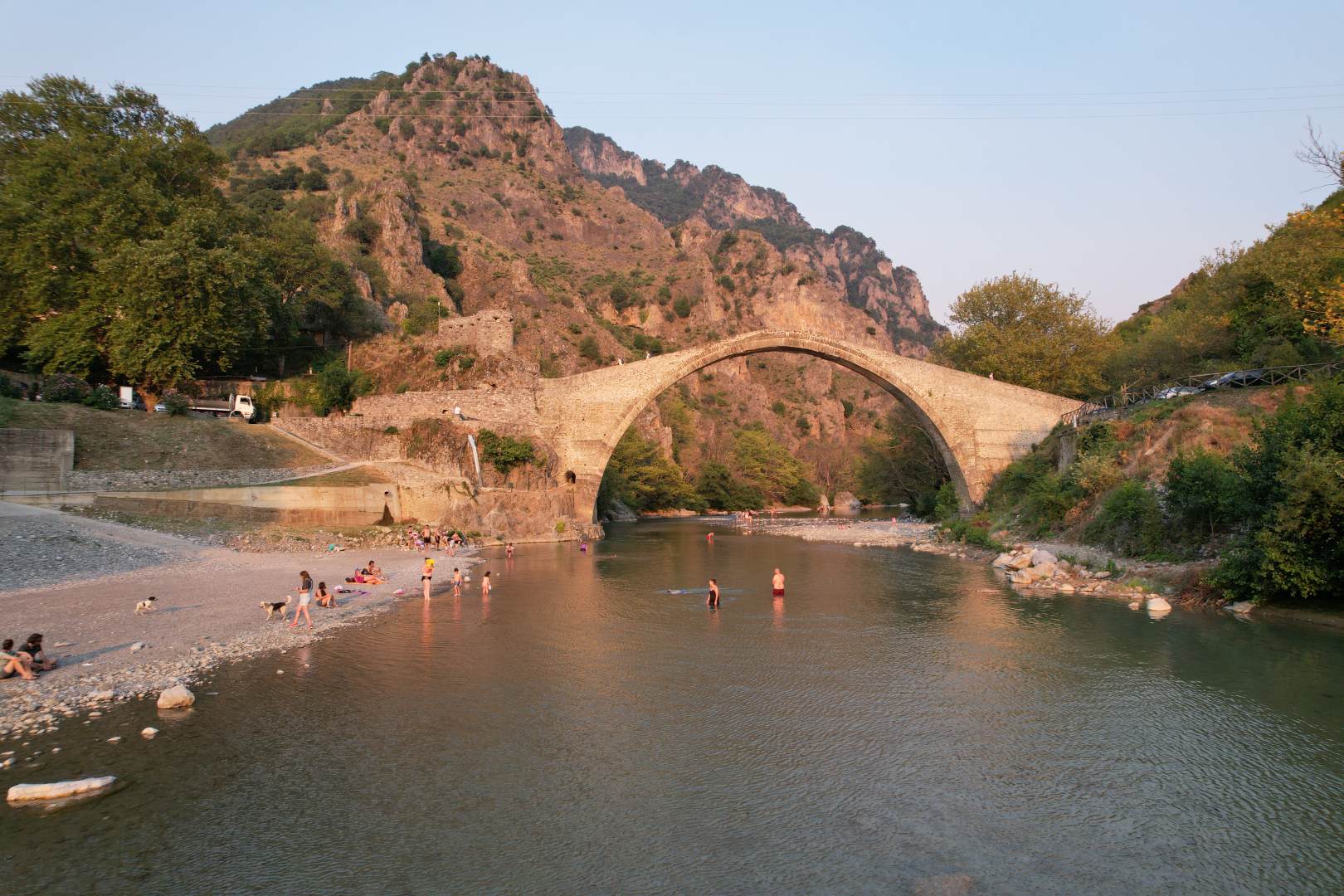
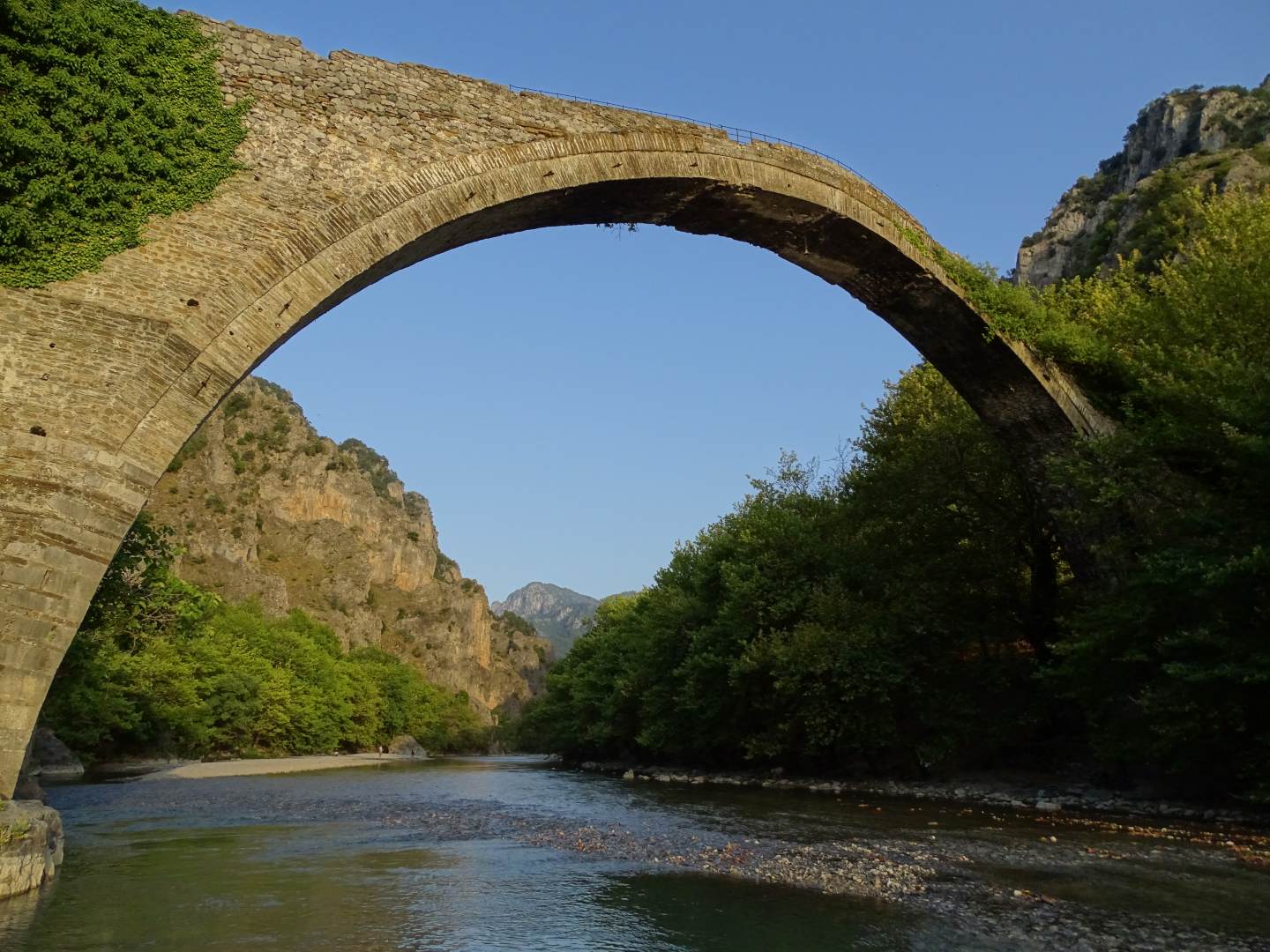
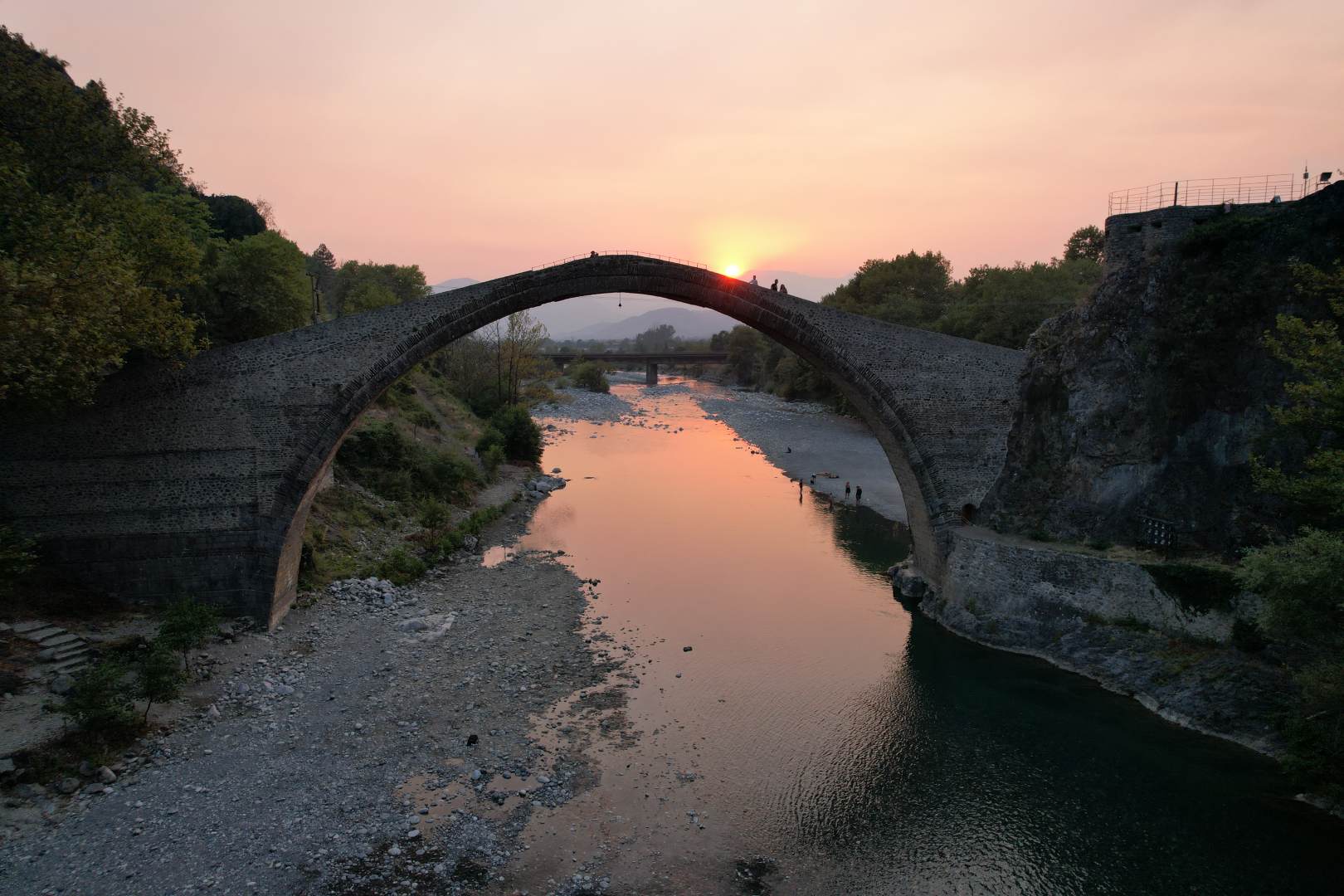
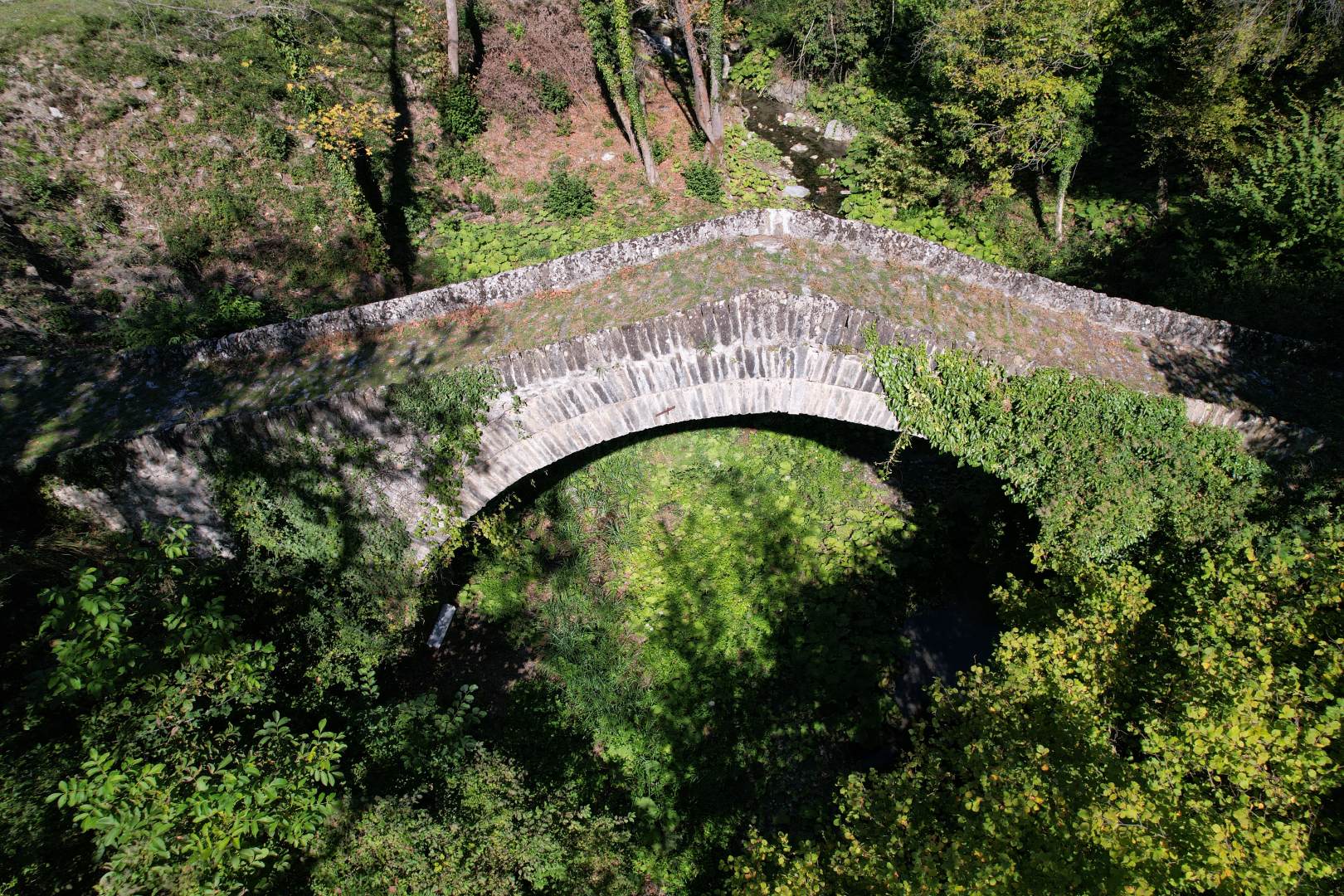
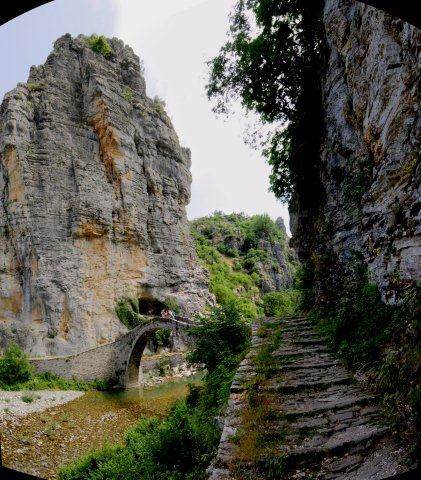
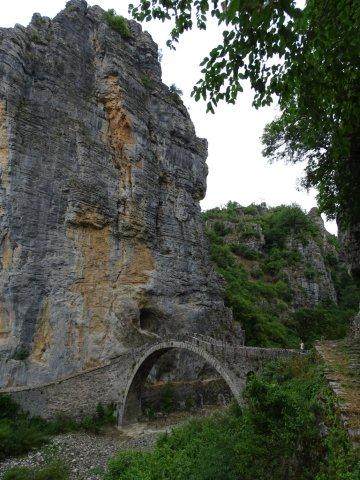
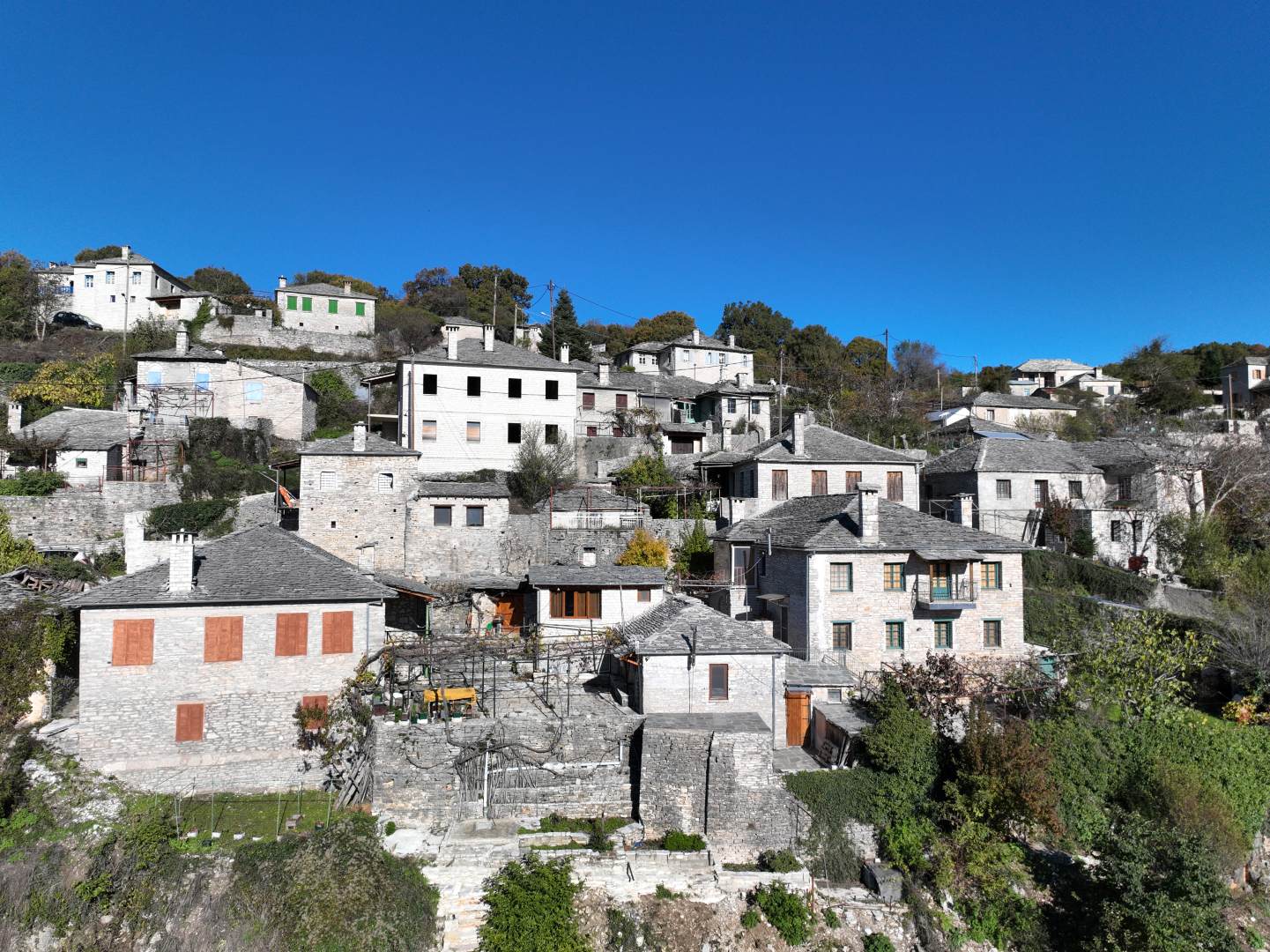
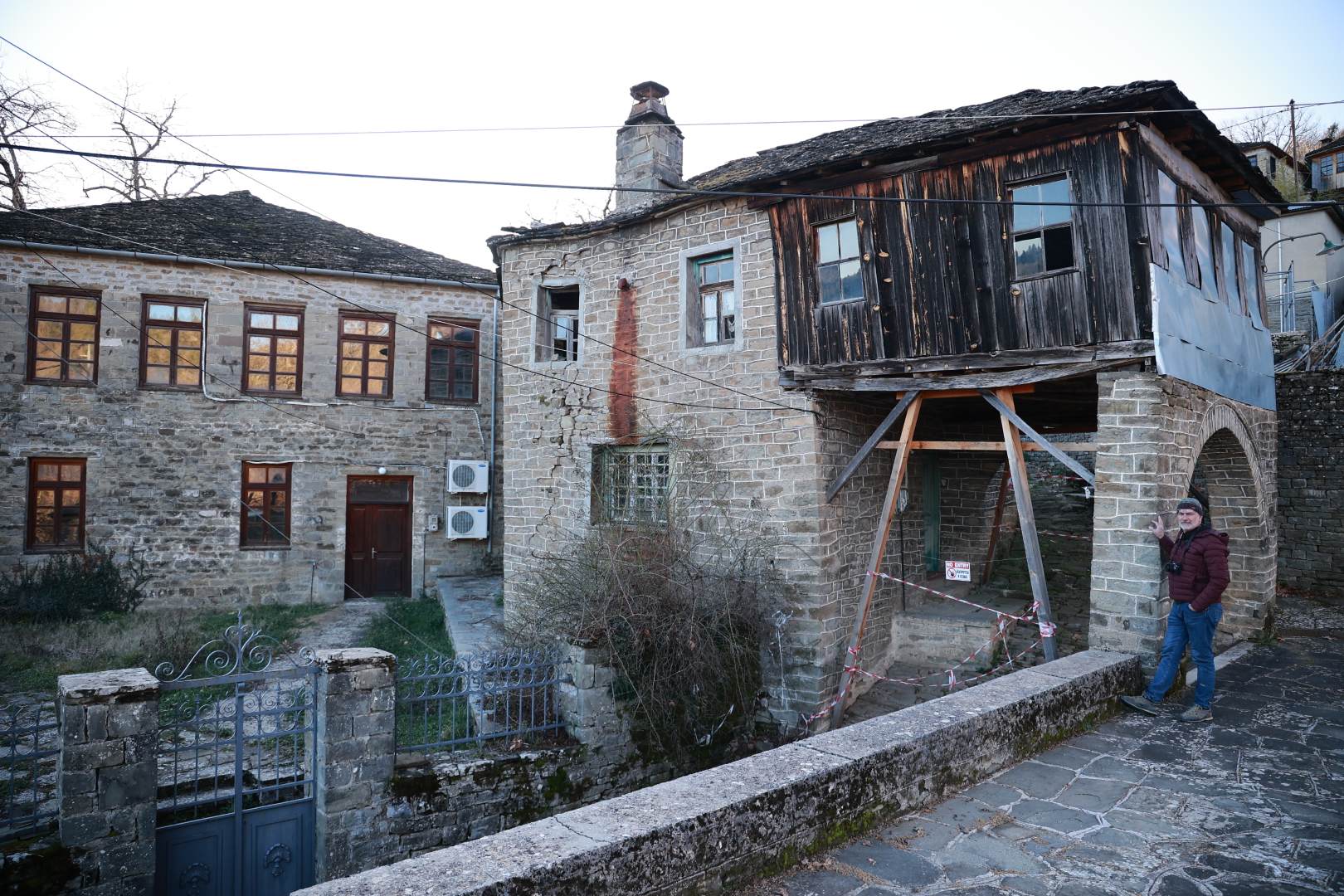
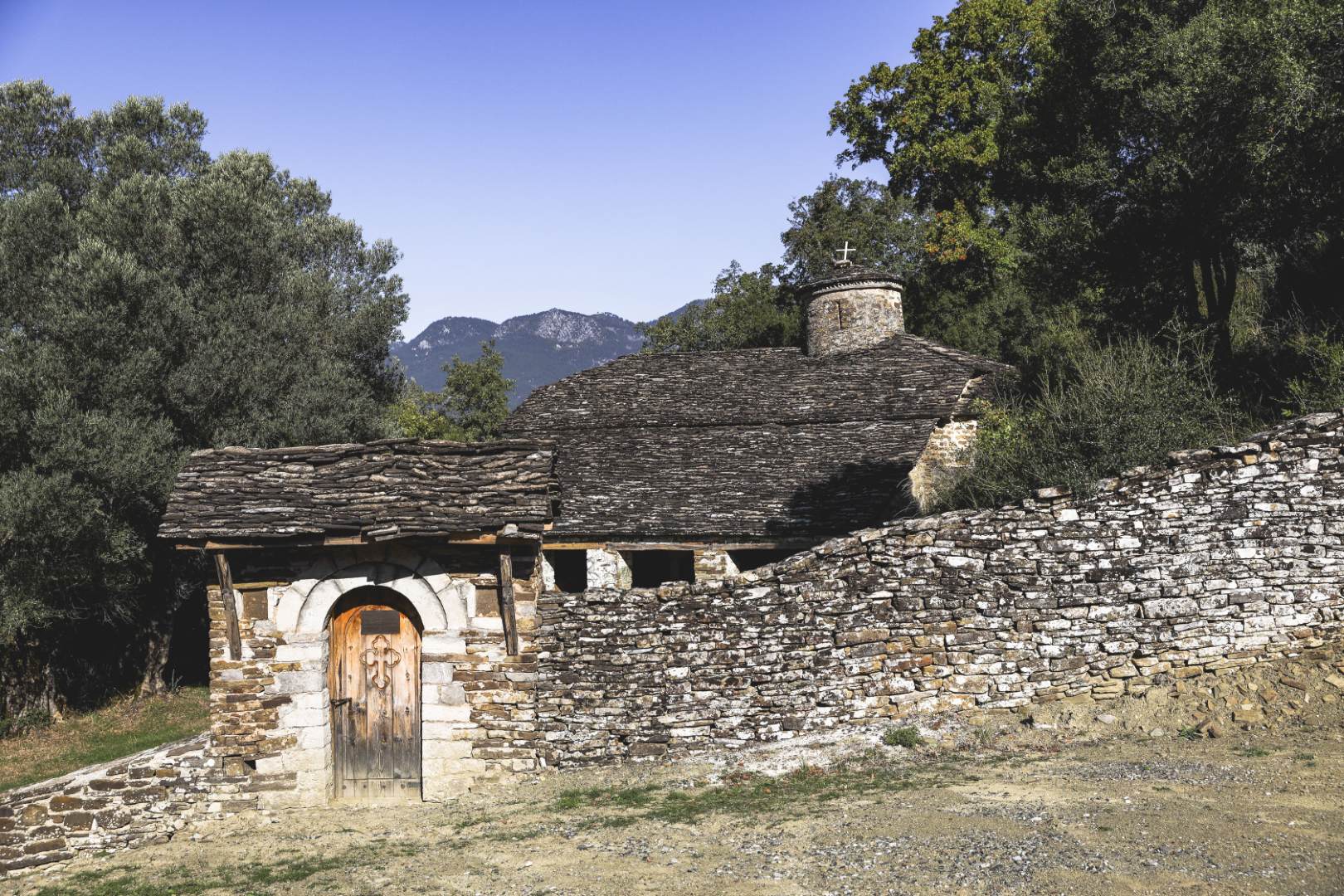
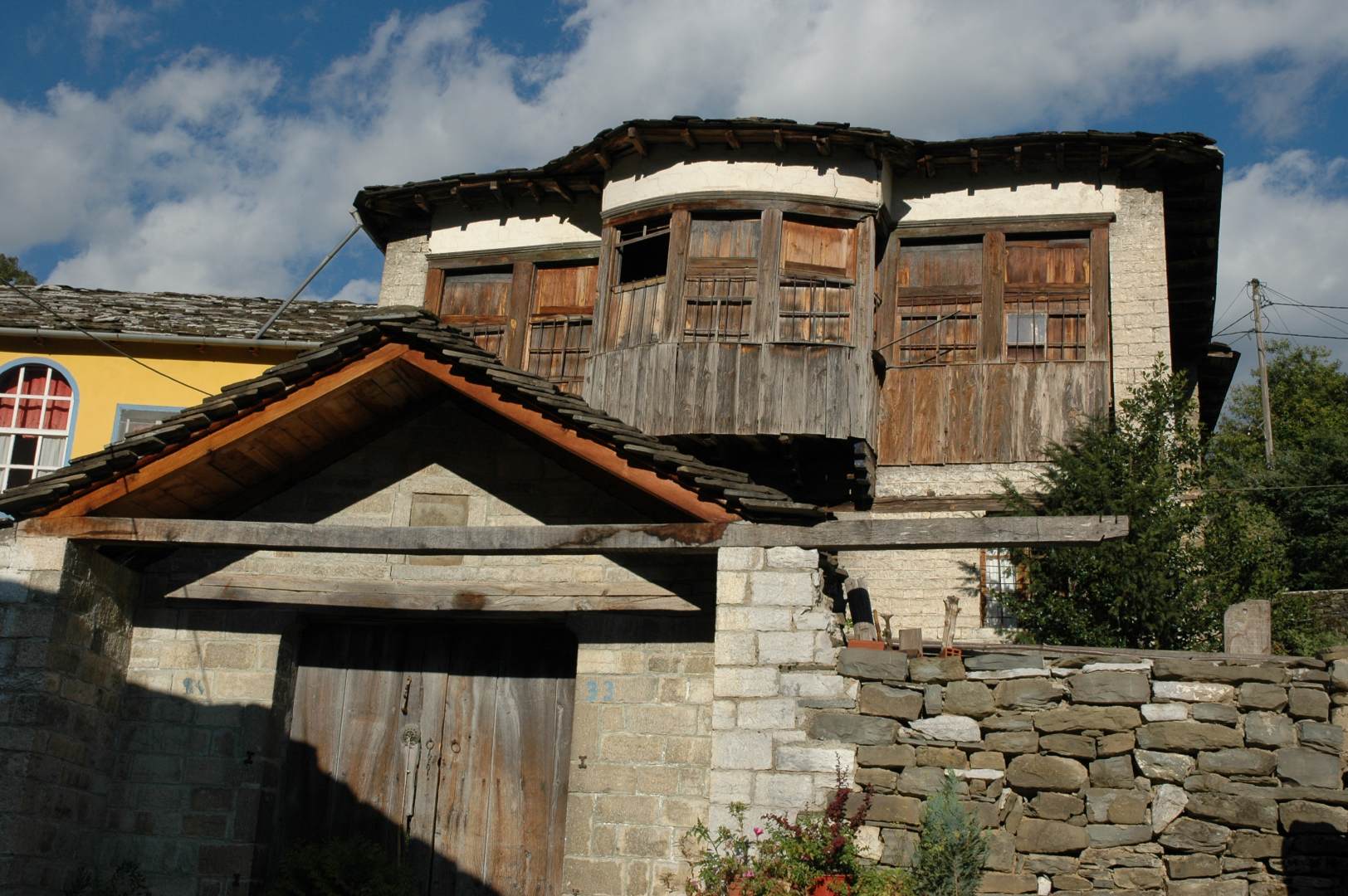
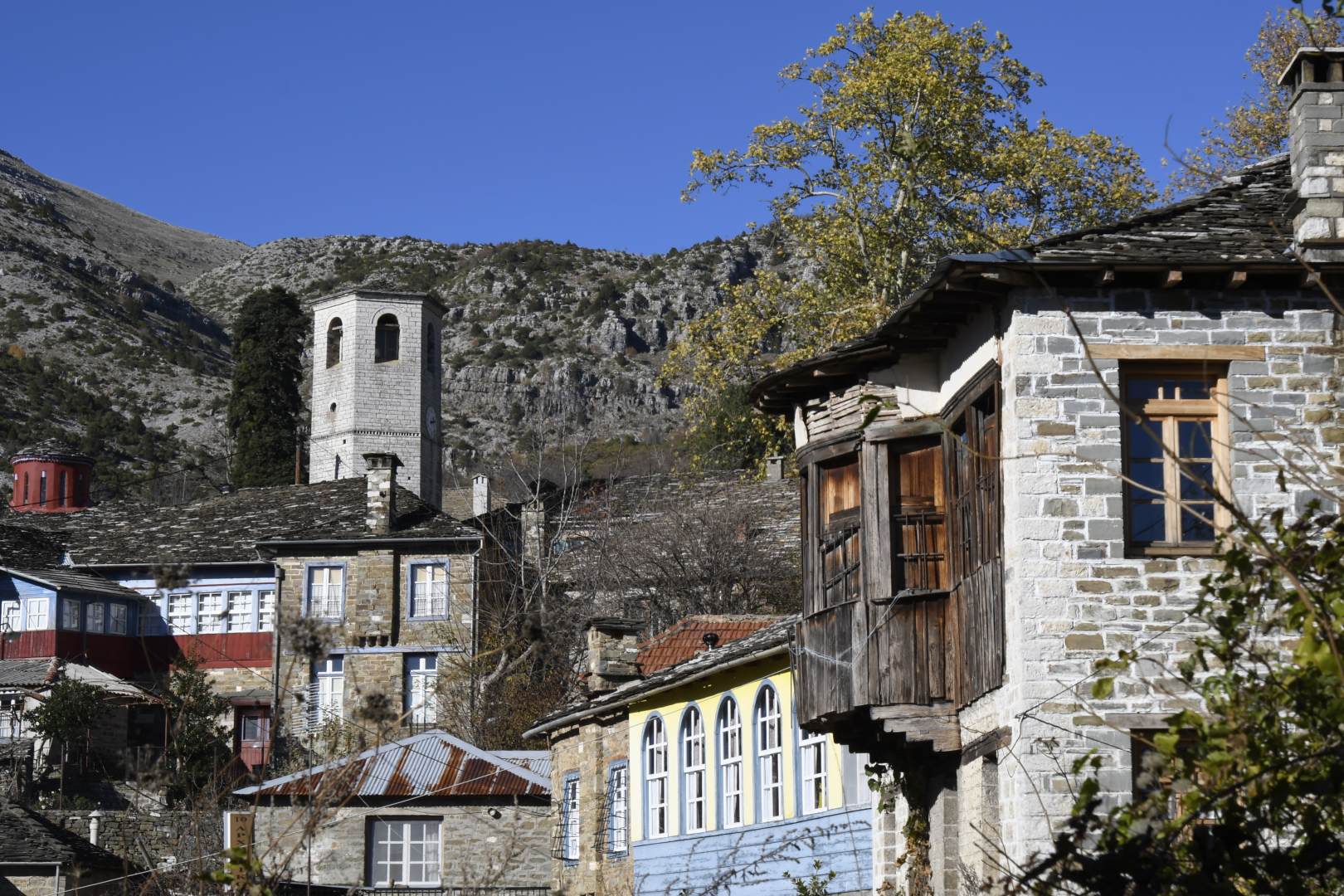
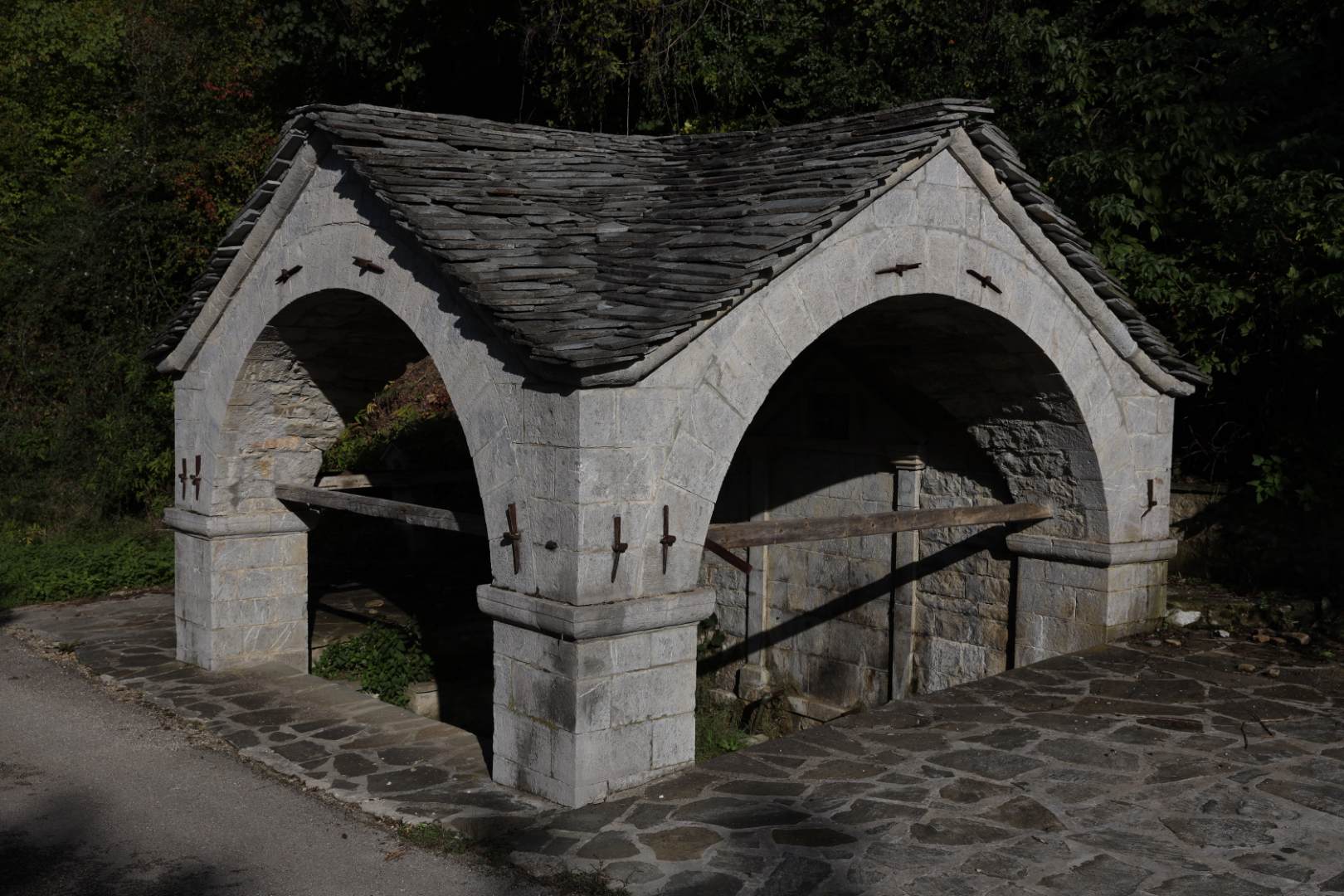
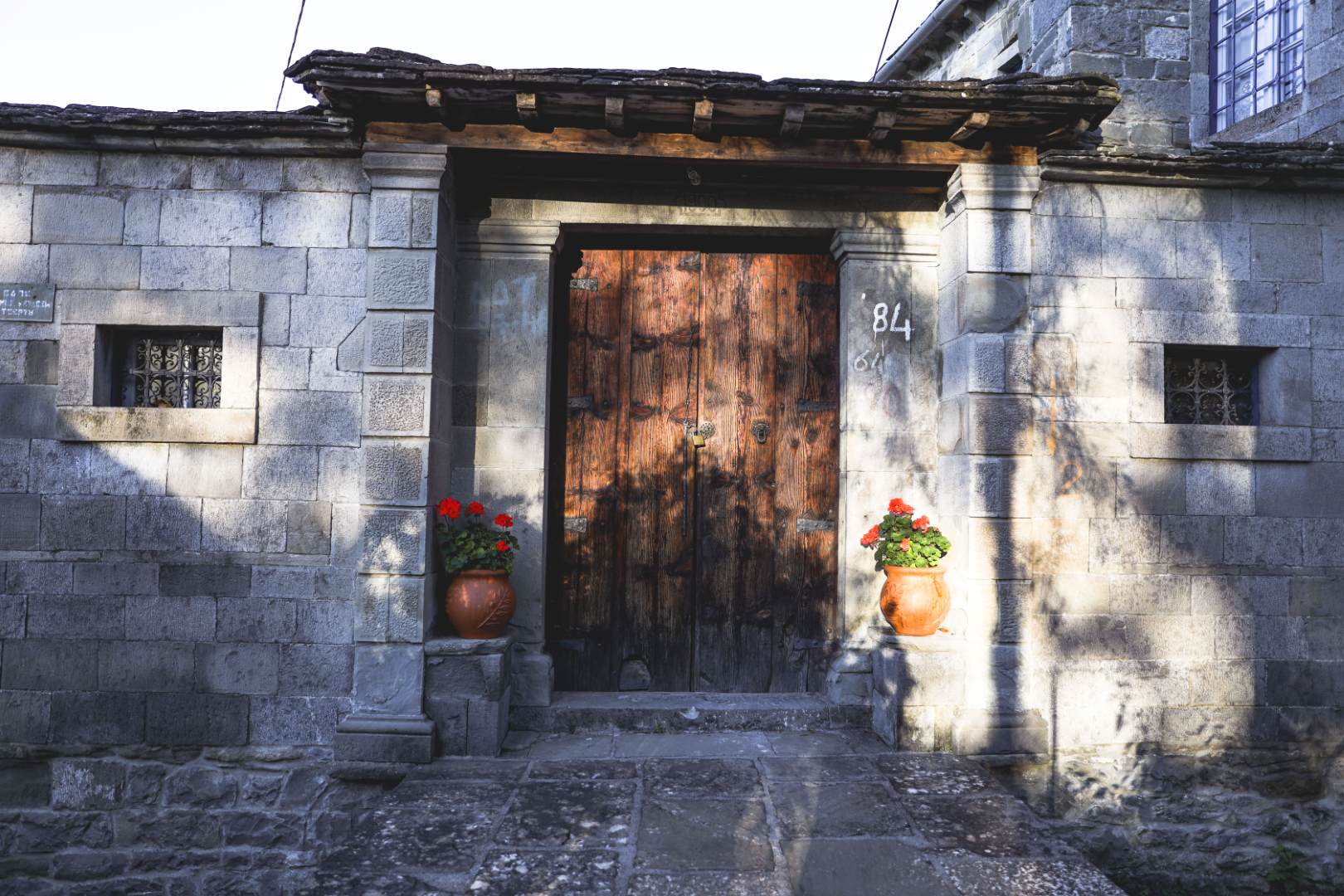
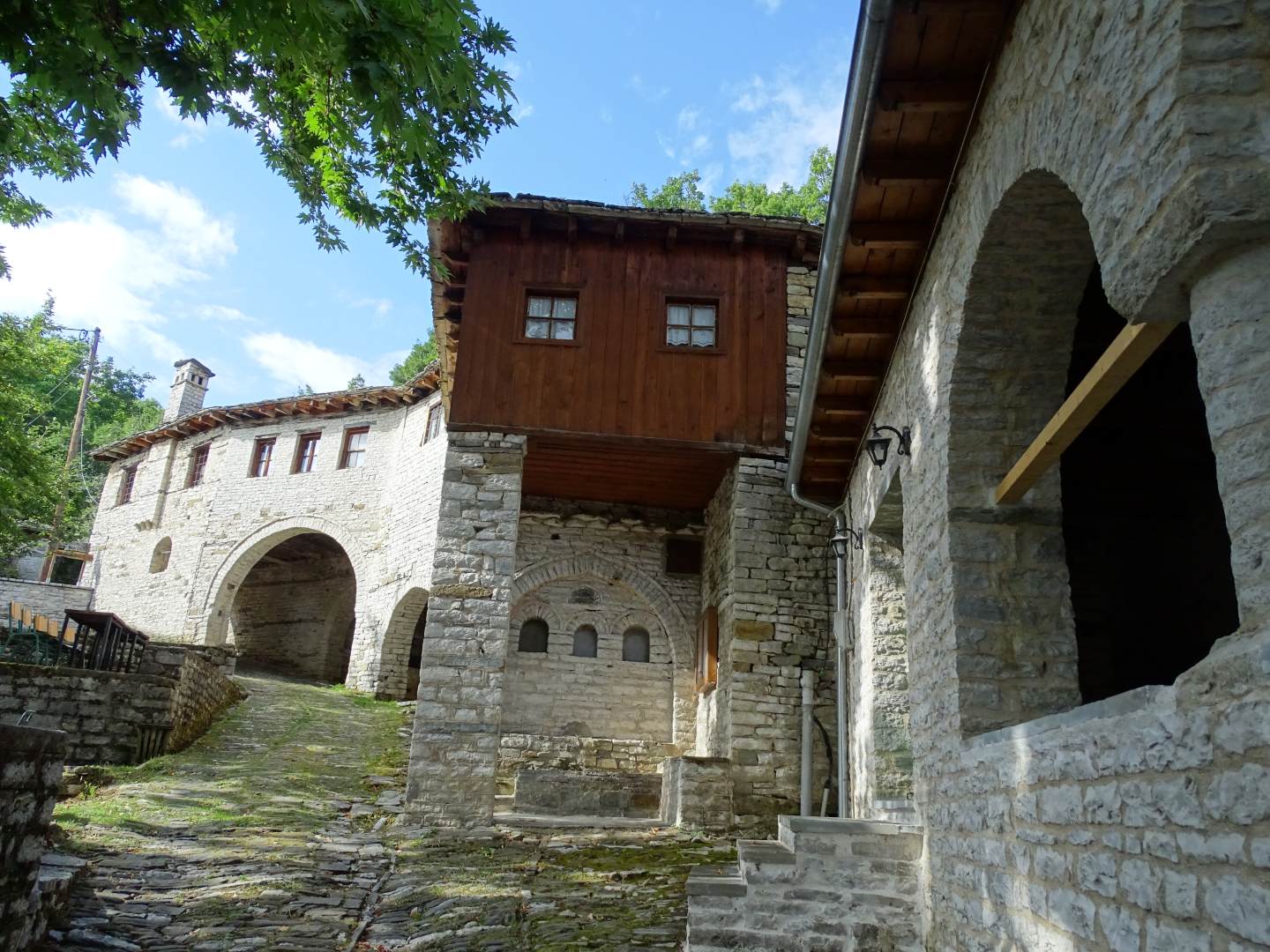
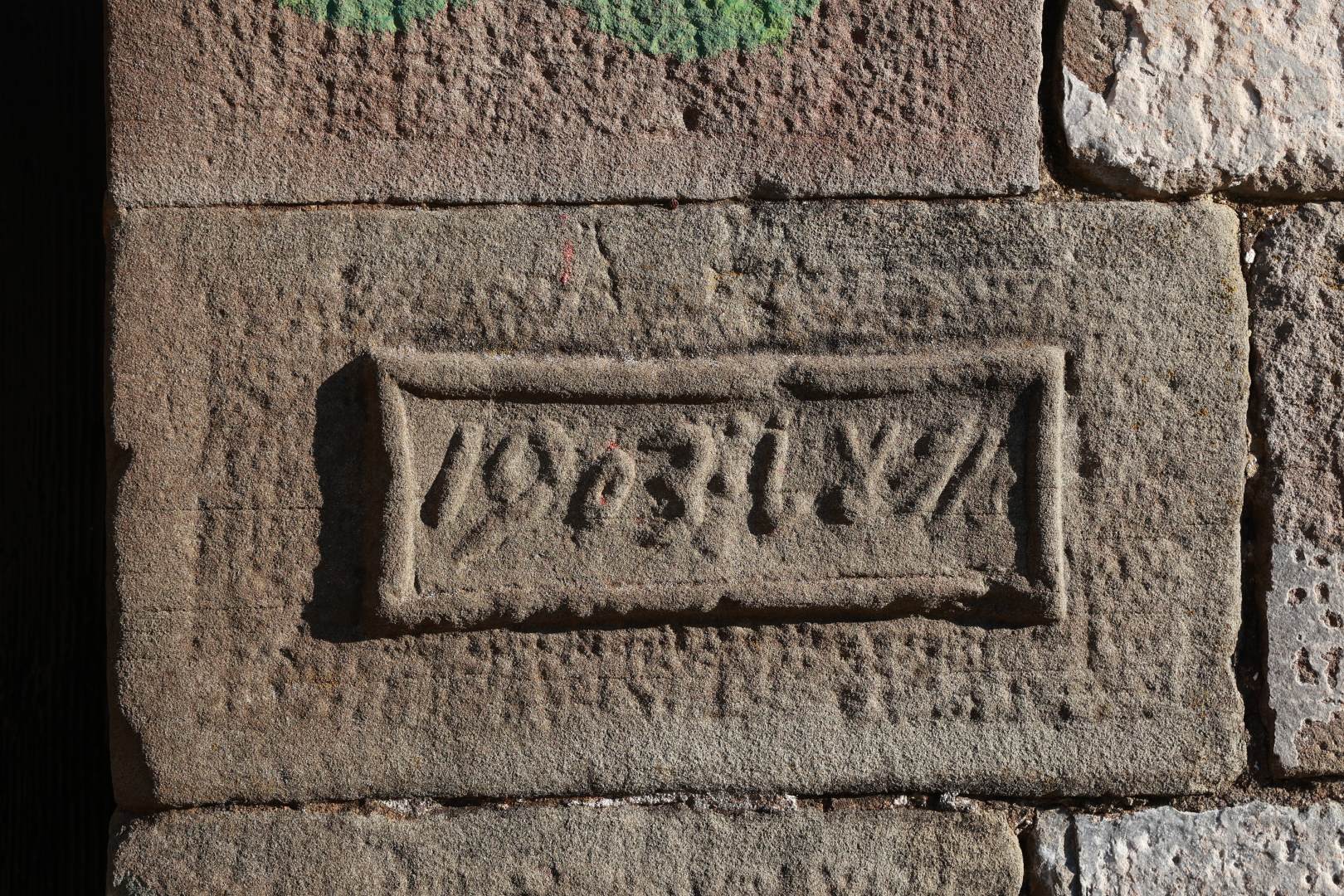
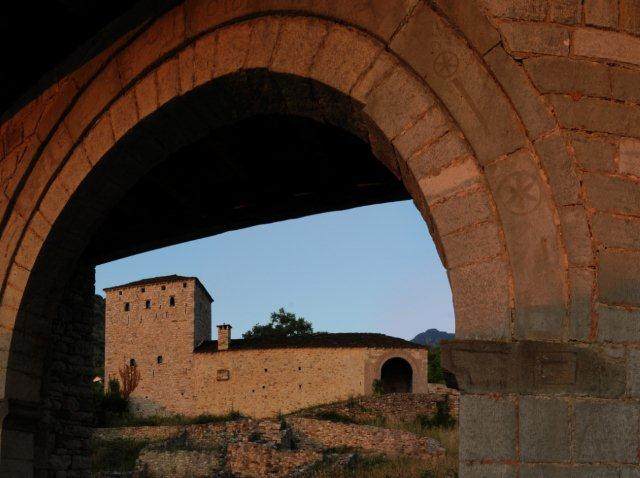
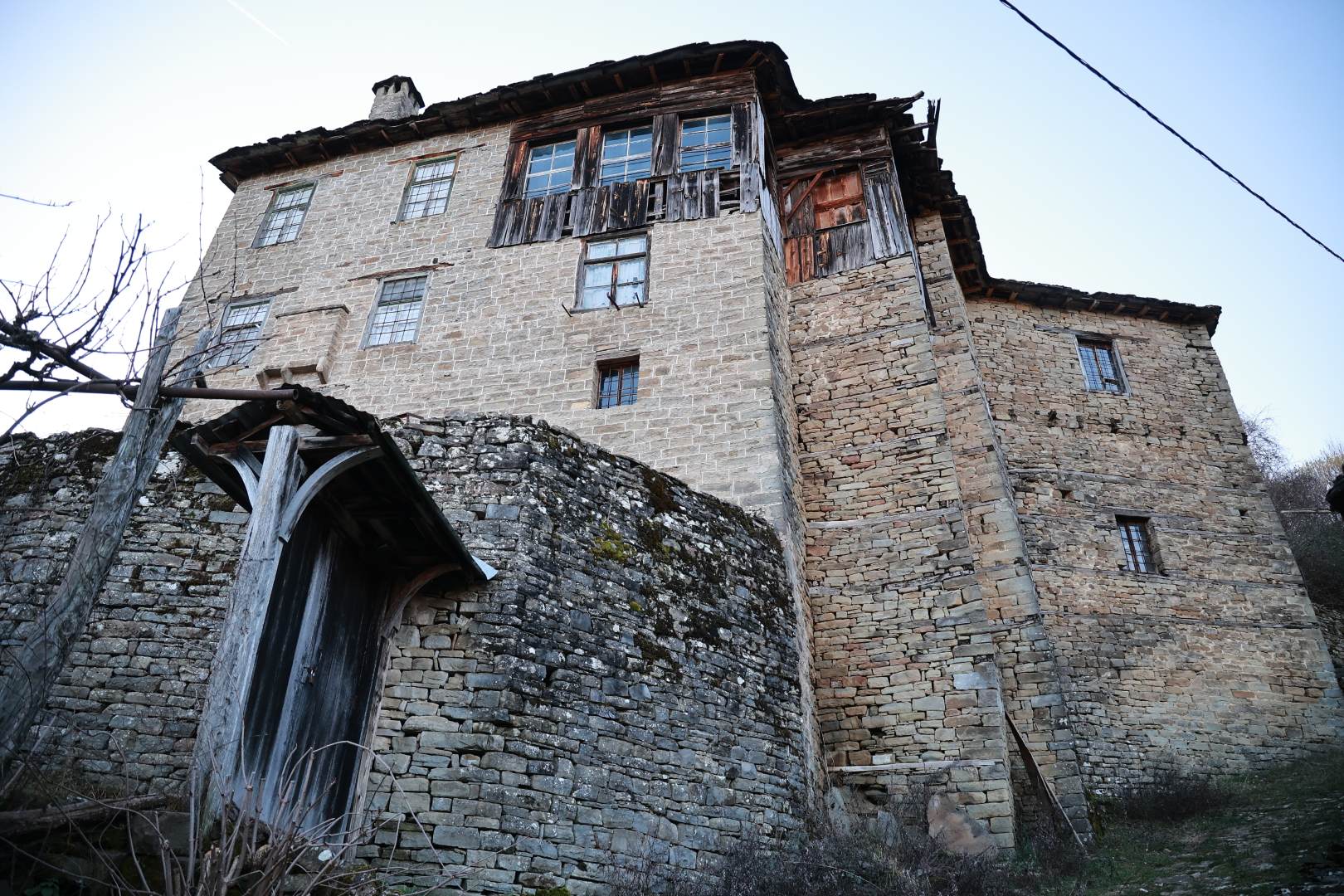
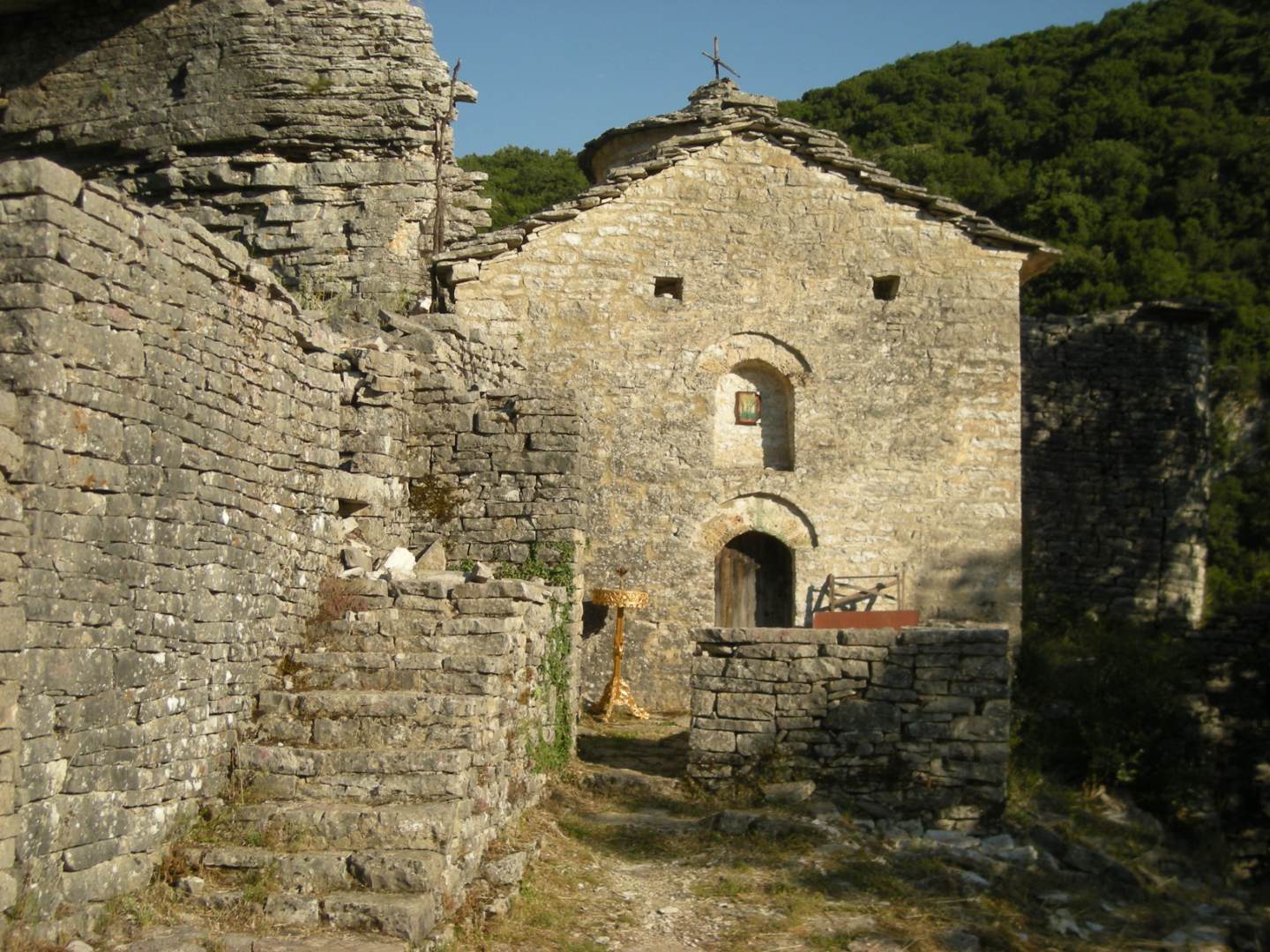
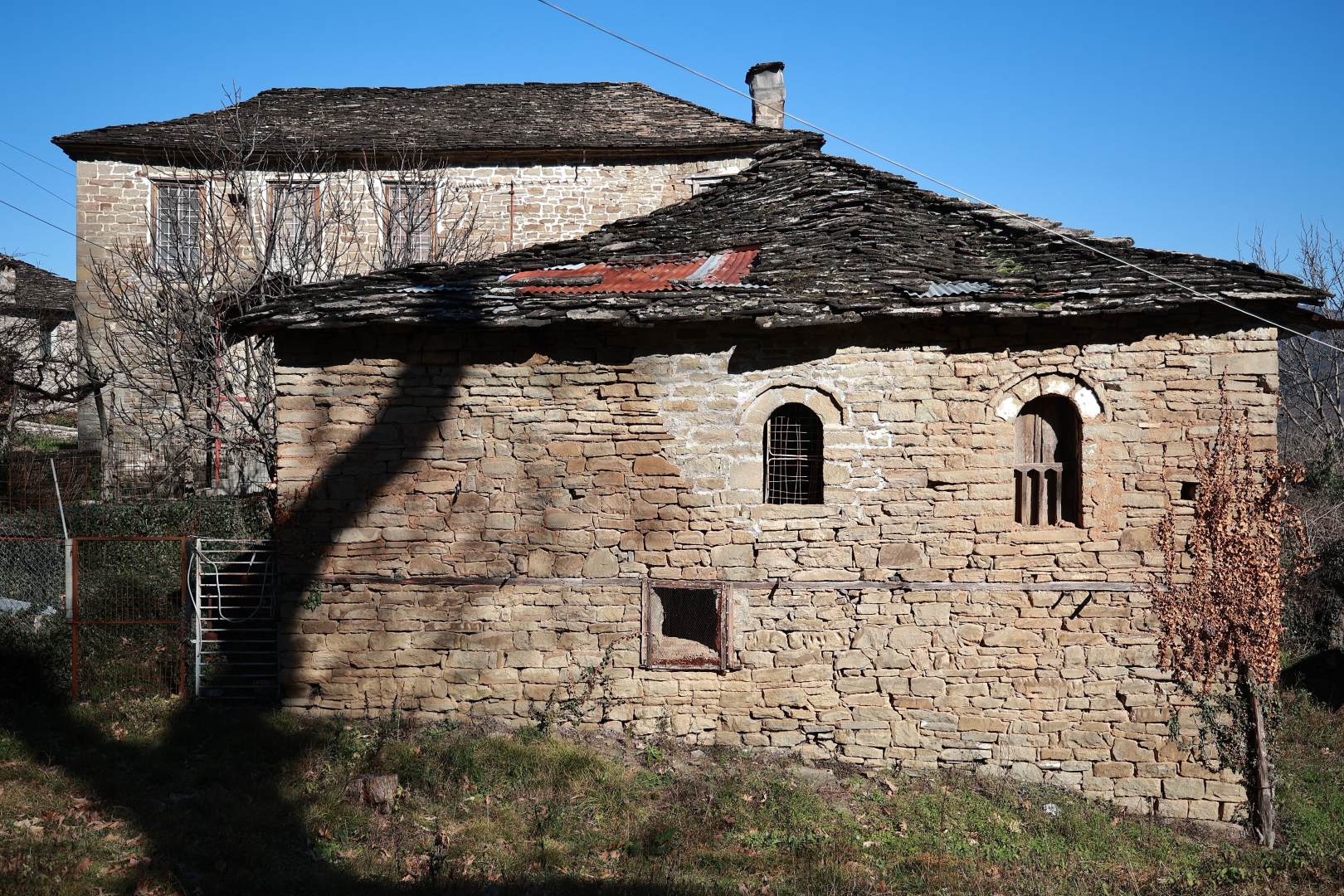
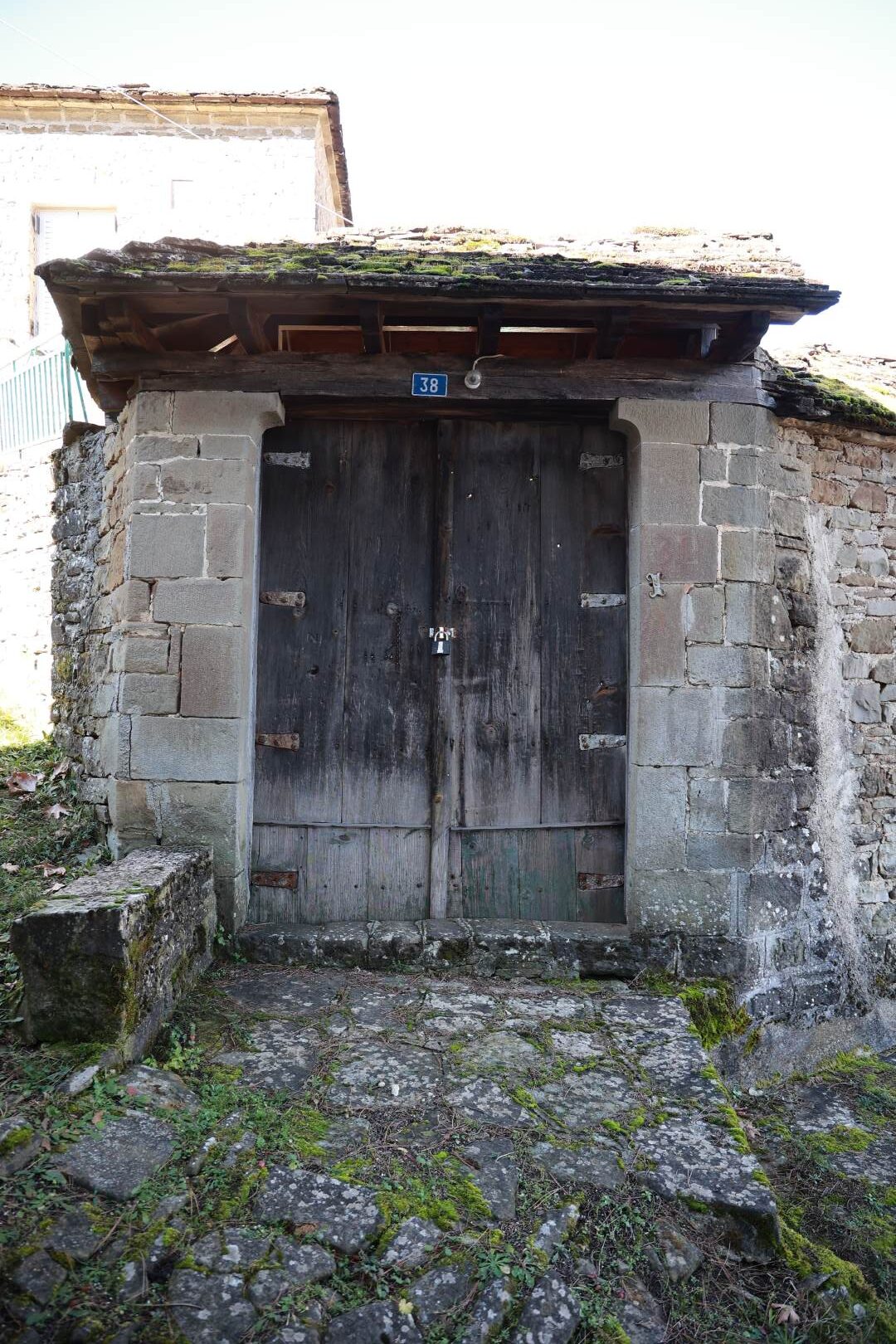
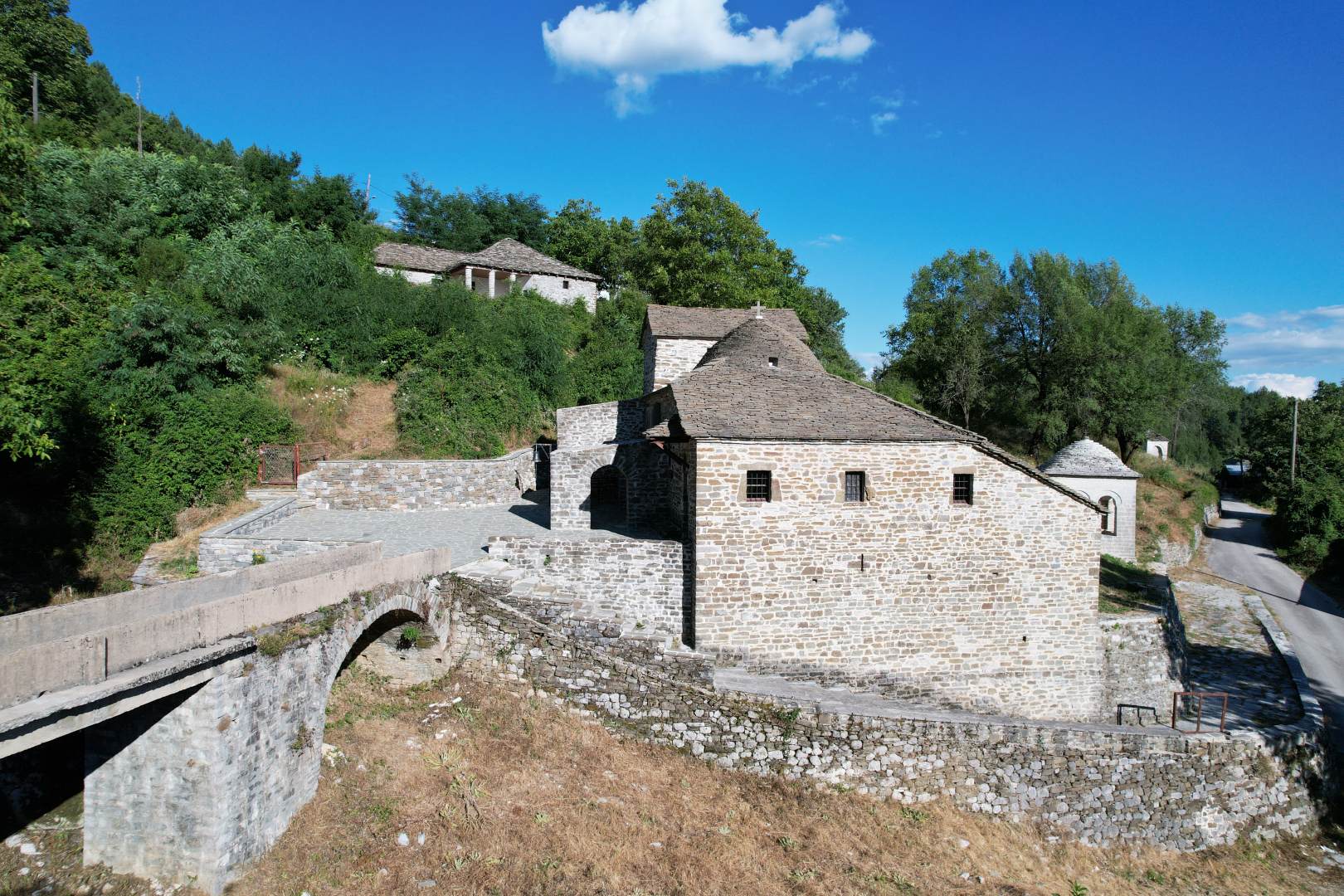
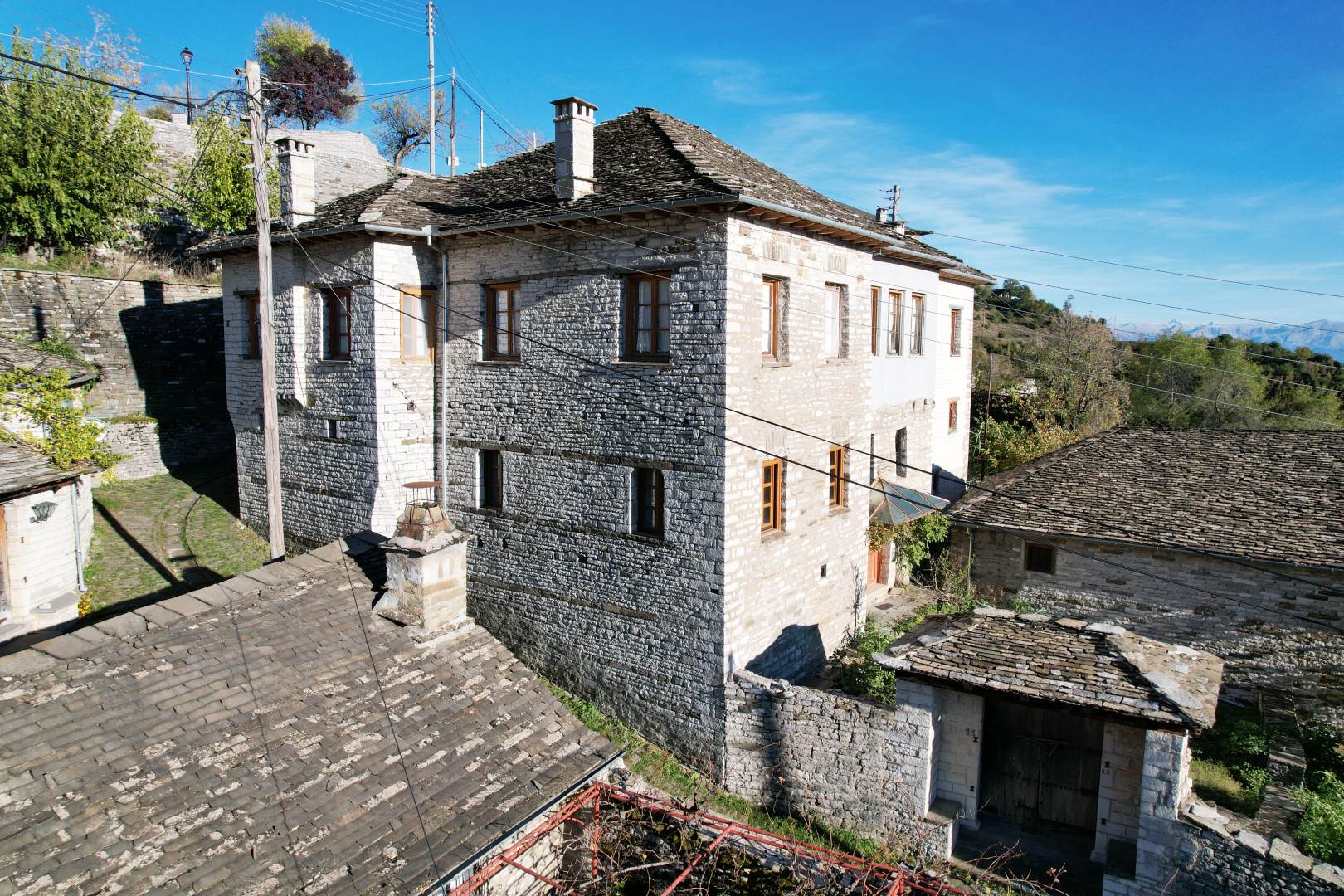
The dominant architectural footprint of the region dates back to the 17th-19th centuries and is based almost exclusively on the use of local building materials, primarily stone and wood, which, through the technical knowledge and craftsmanship of local builders, shaped a characteristic pre-industrial dry-stone architecture, without mortar, with the stone arch as the basic structural and morphological element.
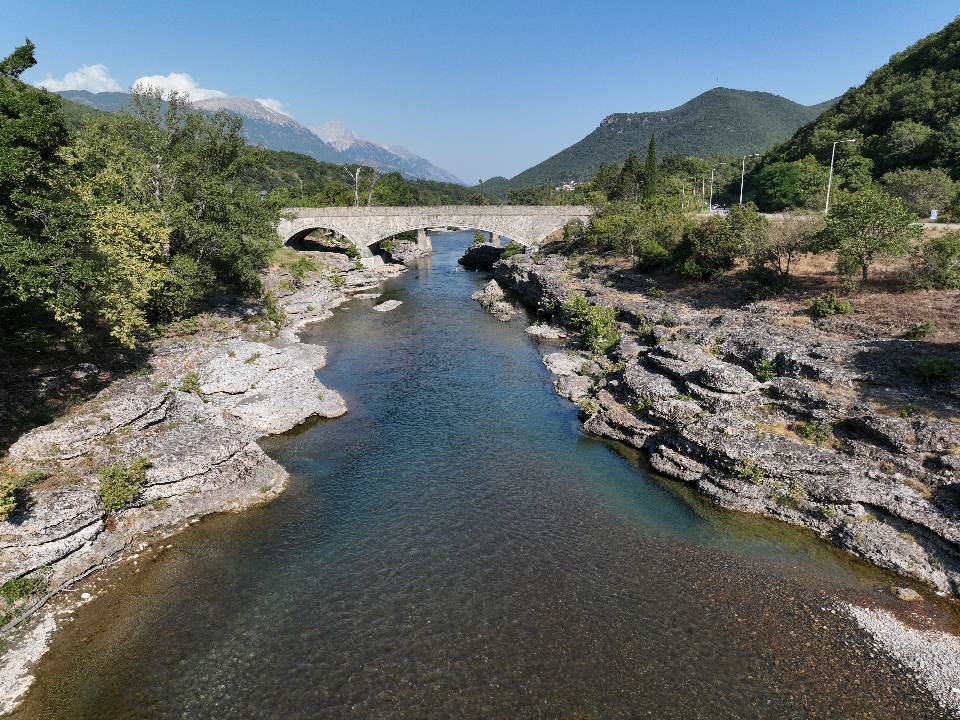
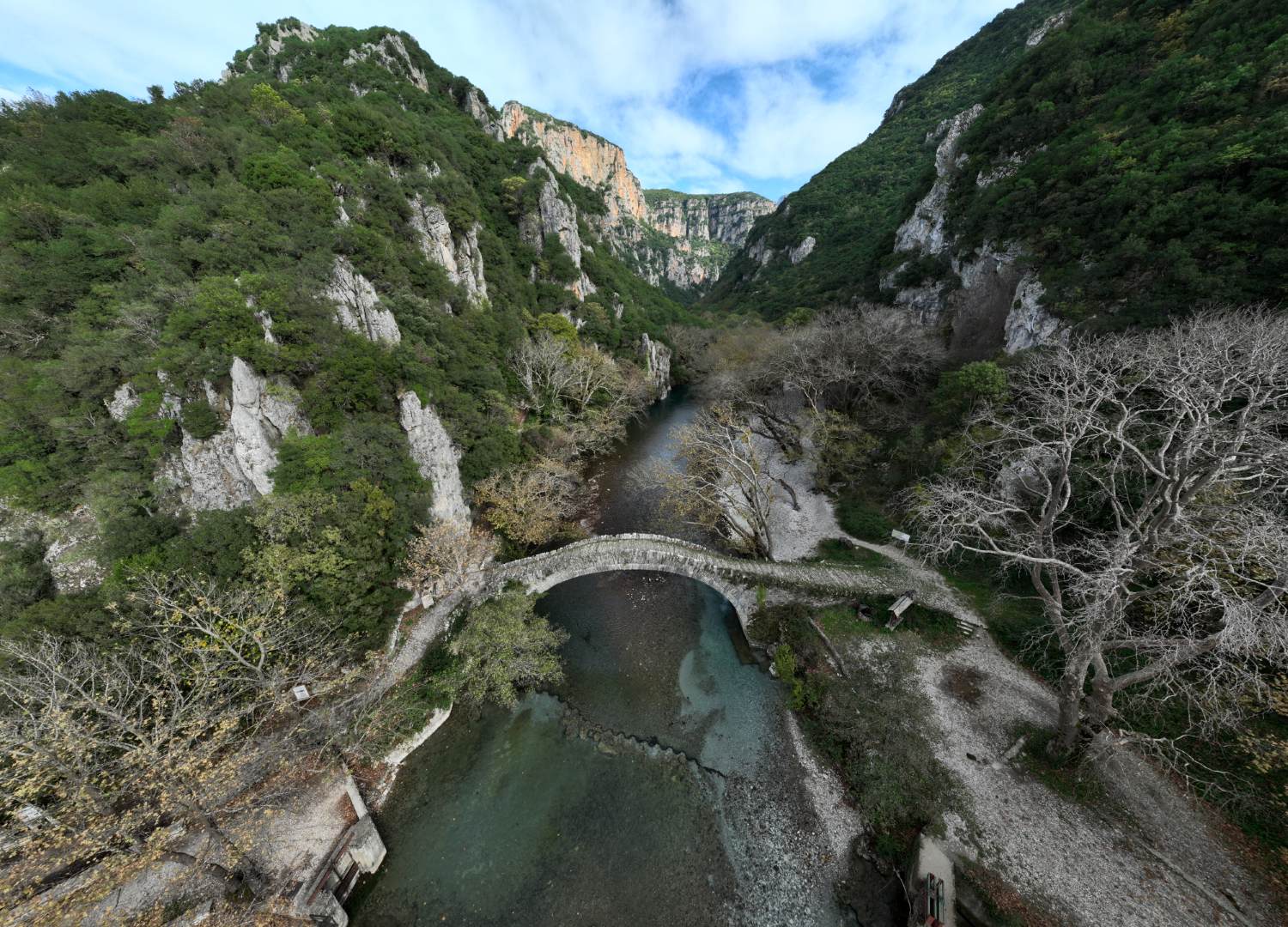
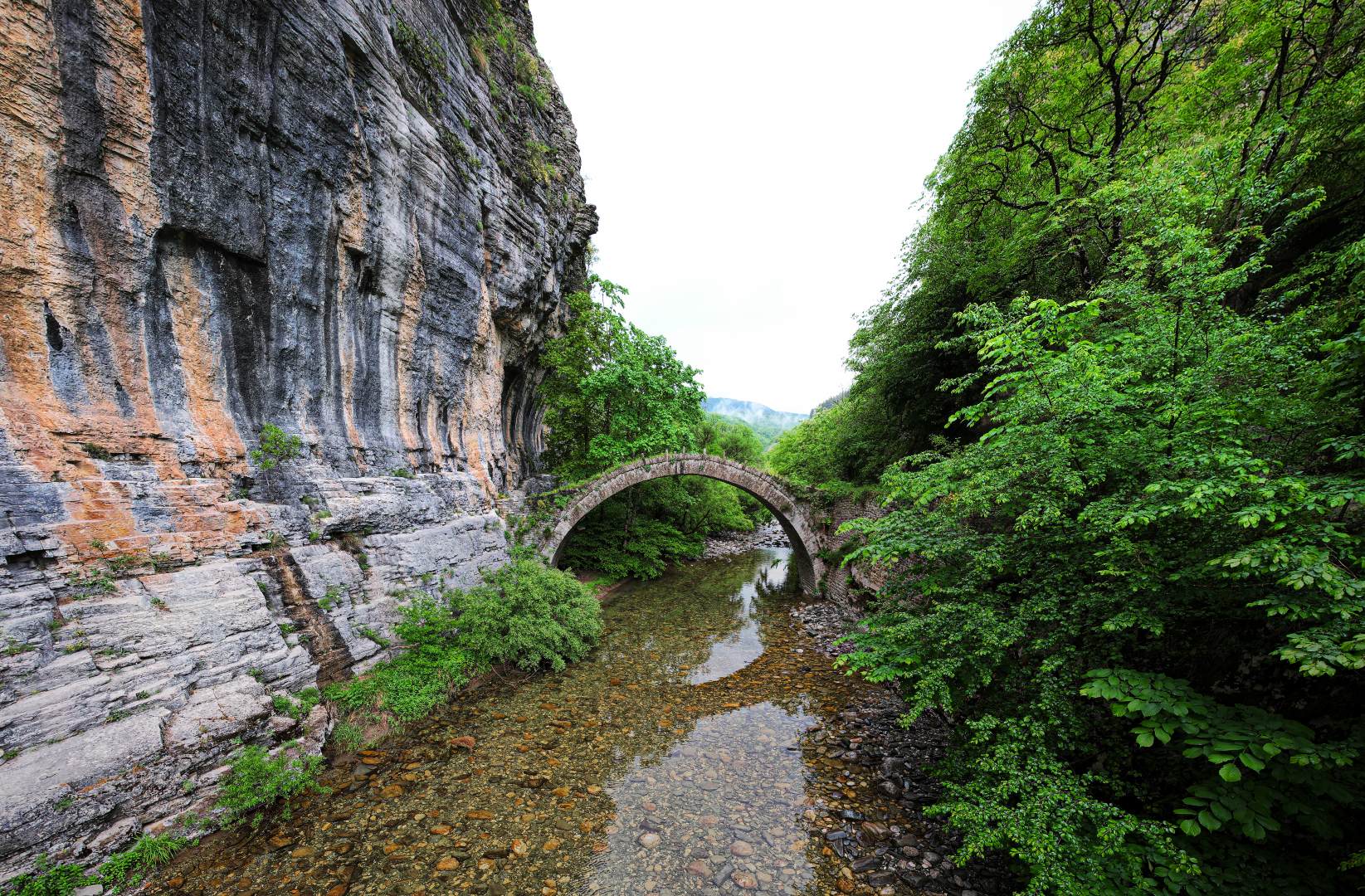
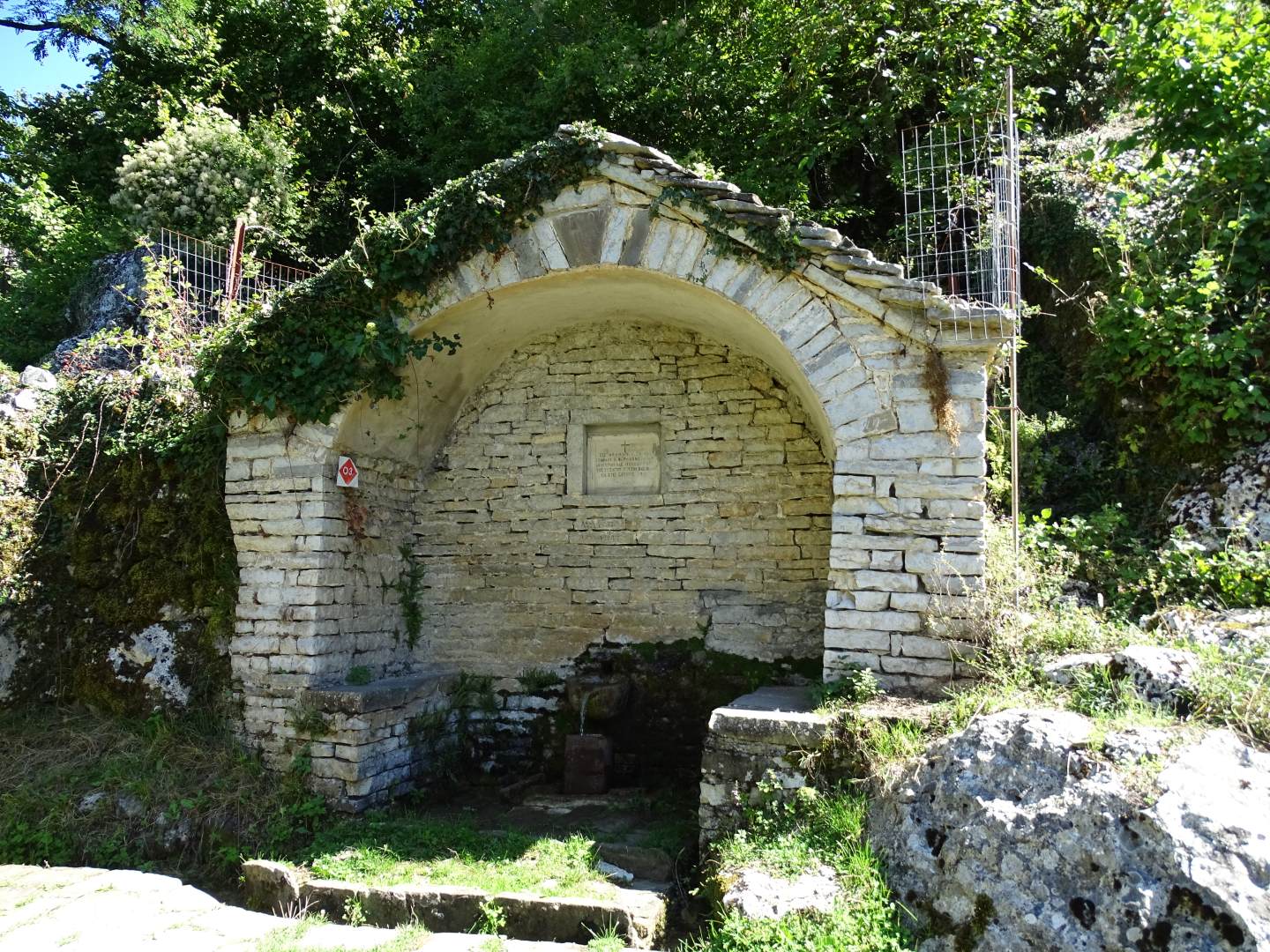
This technique was applied across the entire spectrum of constructions, from houses, churches, monasteries, and schools to watermills, fountains, and, most notably, the iconic stone arched bridges, which represent a supreme expression of the local architectural tradition and bear witness to a deep connection between geological material, human labour, and the cultural identity of the region.







Settlements




Architecture
![[Group 1]-AVRO8909_AVRO8915-7 images copy-architecture-Vikos-Aoos-Geopark](https://vikosaoosgeopark.com/wp-content/uploads/2026/03/Group-1-AVRO8909_AVRO8915-7-images-copy-architecture-vikos-aoos-geopark.jpg)



Livestock farming

Intangible cultural heritage elements inscribed on the National Inventory of Intangible Cultural Heritage
Vitsa festival
Vitsa festival
The Traditional Festival of the Assumption in Vitsa, Zagori, inscribed since 2023 in the National Inventory of Intangible Cultural Heritage of Greece, is a living cultural tradition with deep historical roots in the local community, combining religious practices, social gathering, and musical-dance heritage. The festival includes a liturgy and procession of the icon of the Virgin Mary, as well as collective dancing and feasting in the central square of the settlement, serving as a key mechanism for preserving collective memory, strengthening social bonds, and transmitting the community's cultural identity from generation to generation.
Sacred forests of Zagori and Konitsa
Sacred forests of Zagori and Konitsa
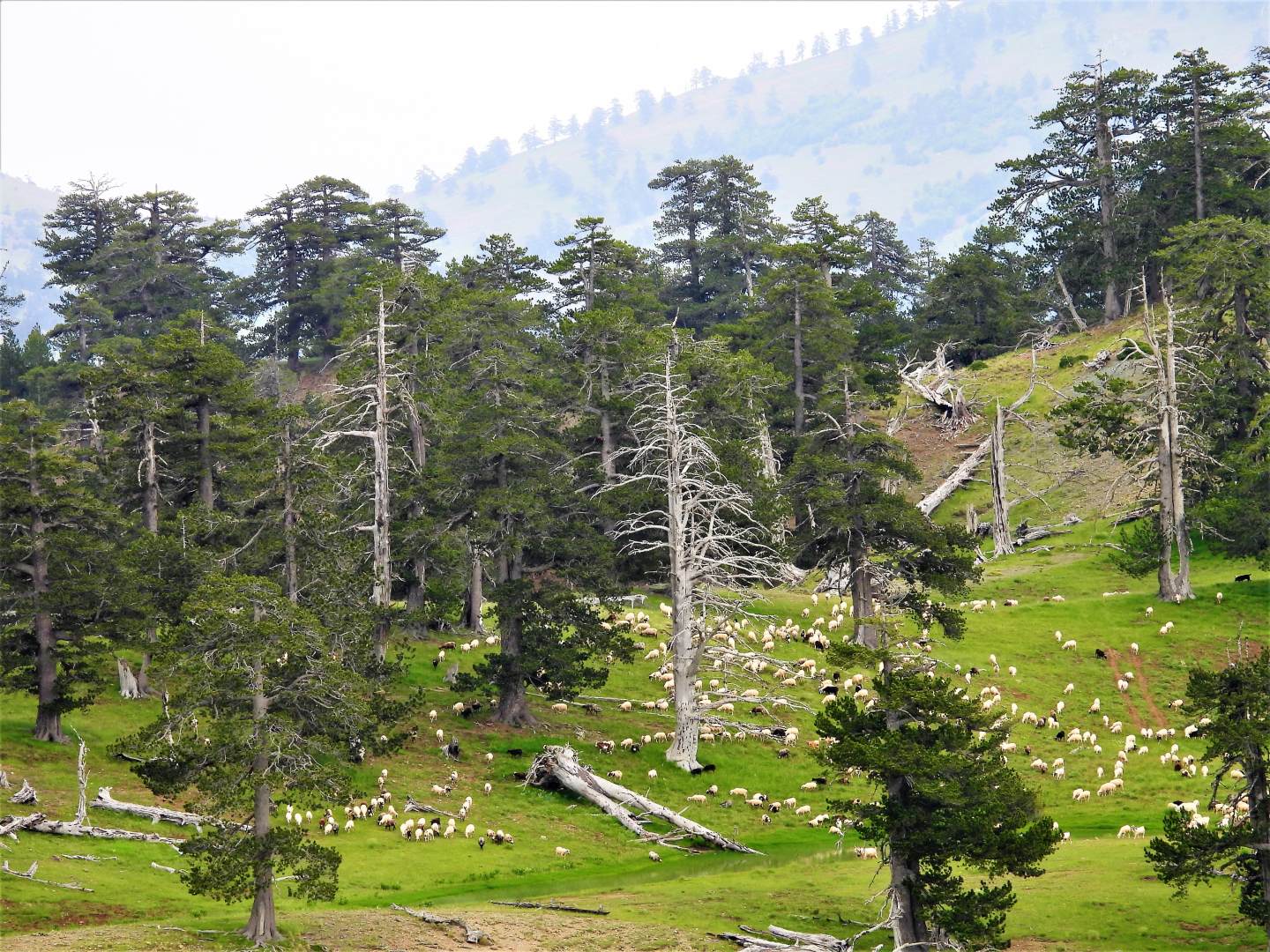
The Sacred Forests of the villages of Zagori and Konitsa, inscribed since 2015 in the National Inventory of Intangible Cultural Heritage of Greece, constitute a unique system of traditional natural resource management. This system is based on collective perceptions of sacredness, unwritten rules, and social practices for the protection of the forest landscape. These are forest areas that are linked to the religious and cosmological beliefs of local communities and are governed by strict usage restrictions, contributing historically to the preservation of biodiversity and the sustainable management of the natural environment. The sacred forests represent a living example of intangible cultural heritage, as they embody traditional ecological knowledge, social institutions, and cultural values that are passed down through generations and shape the relationship between humans and nature within the Vikos-Aoos Geopark.
Mobile Husbandry
Mobile Husbandry
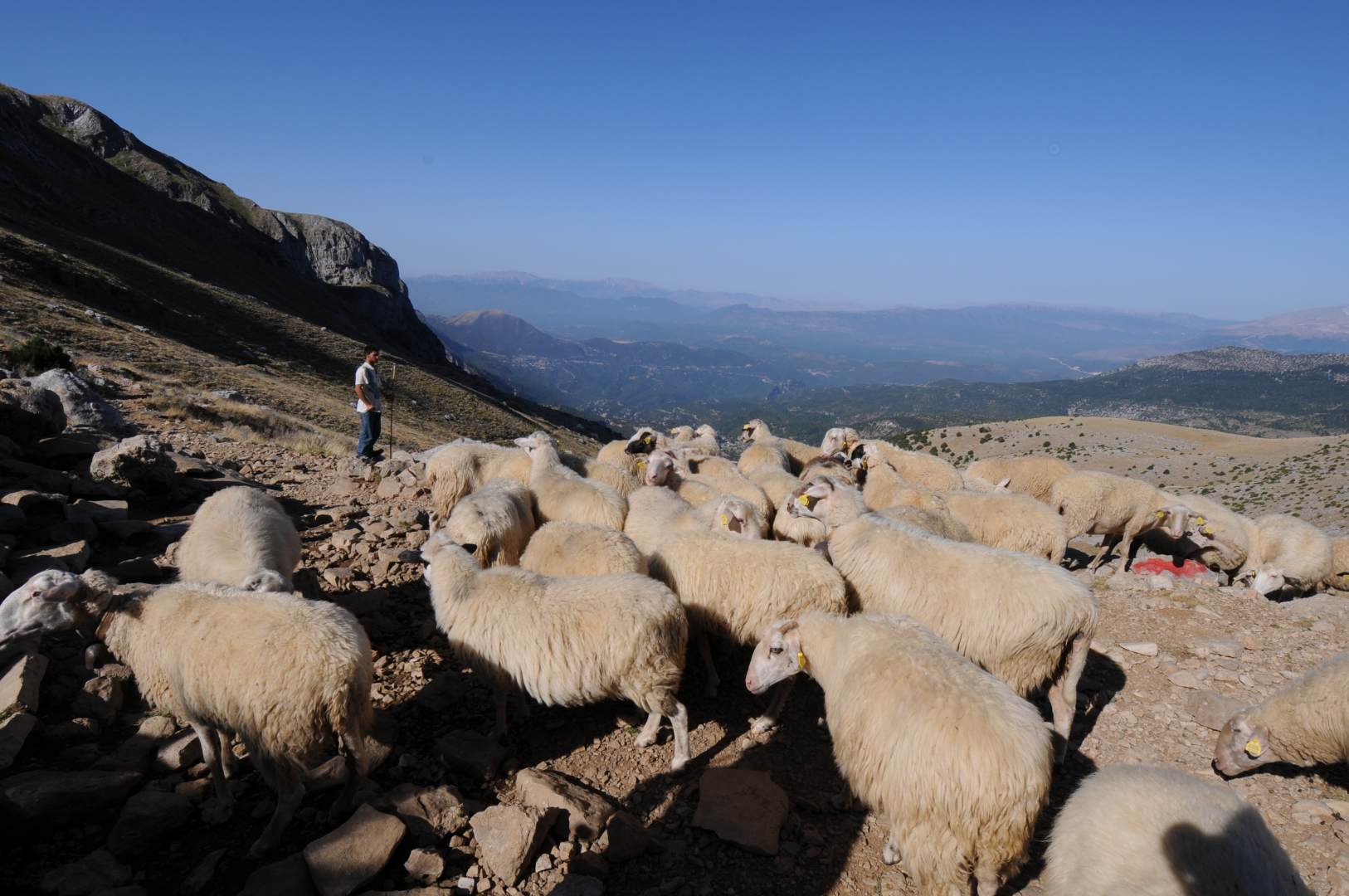
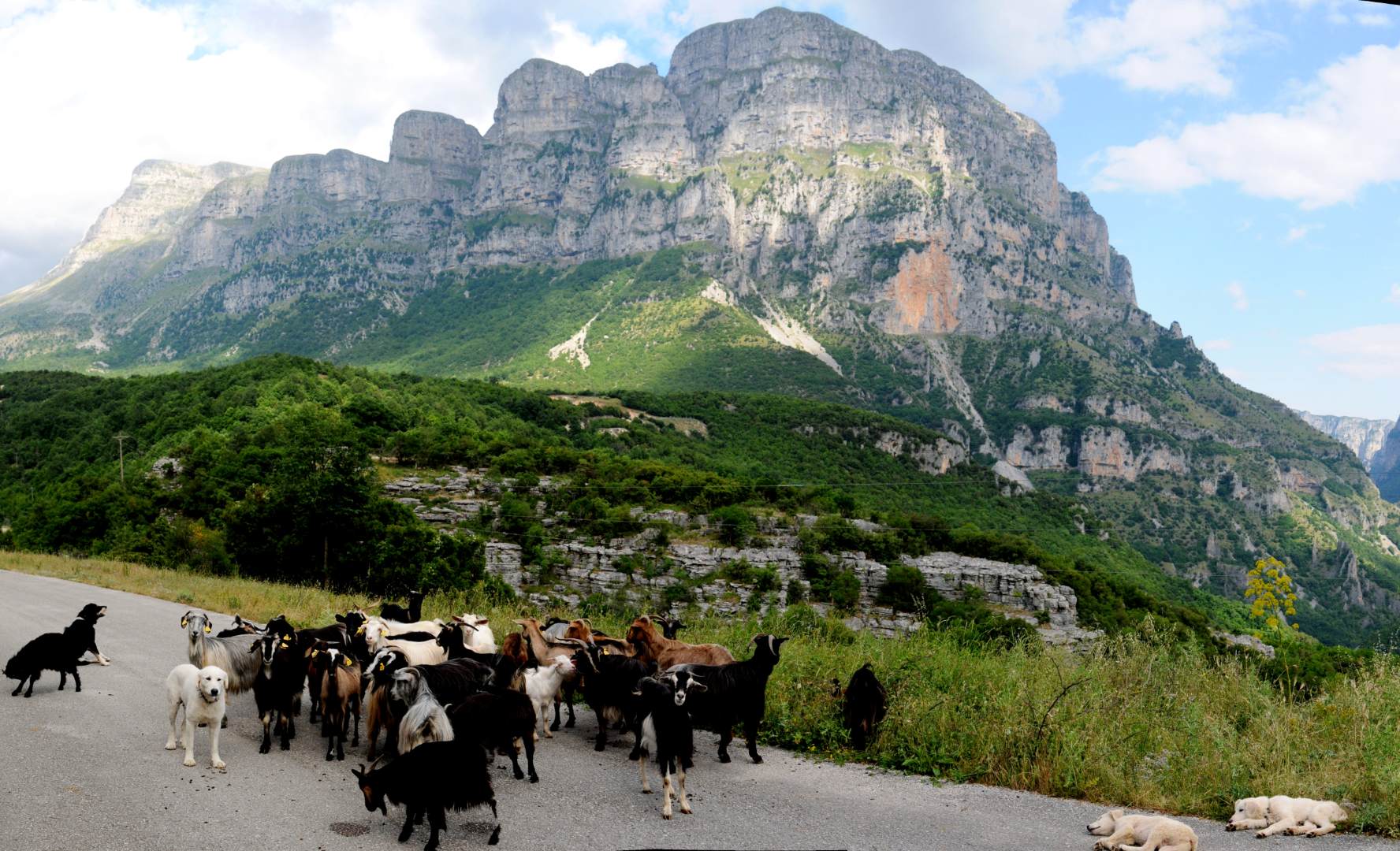
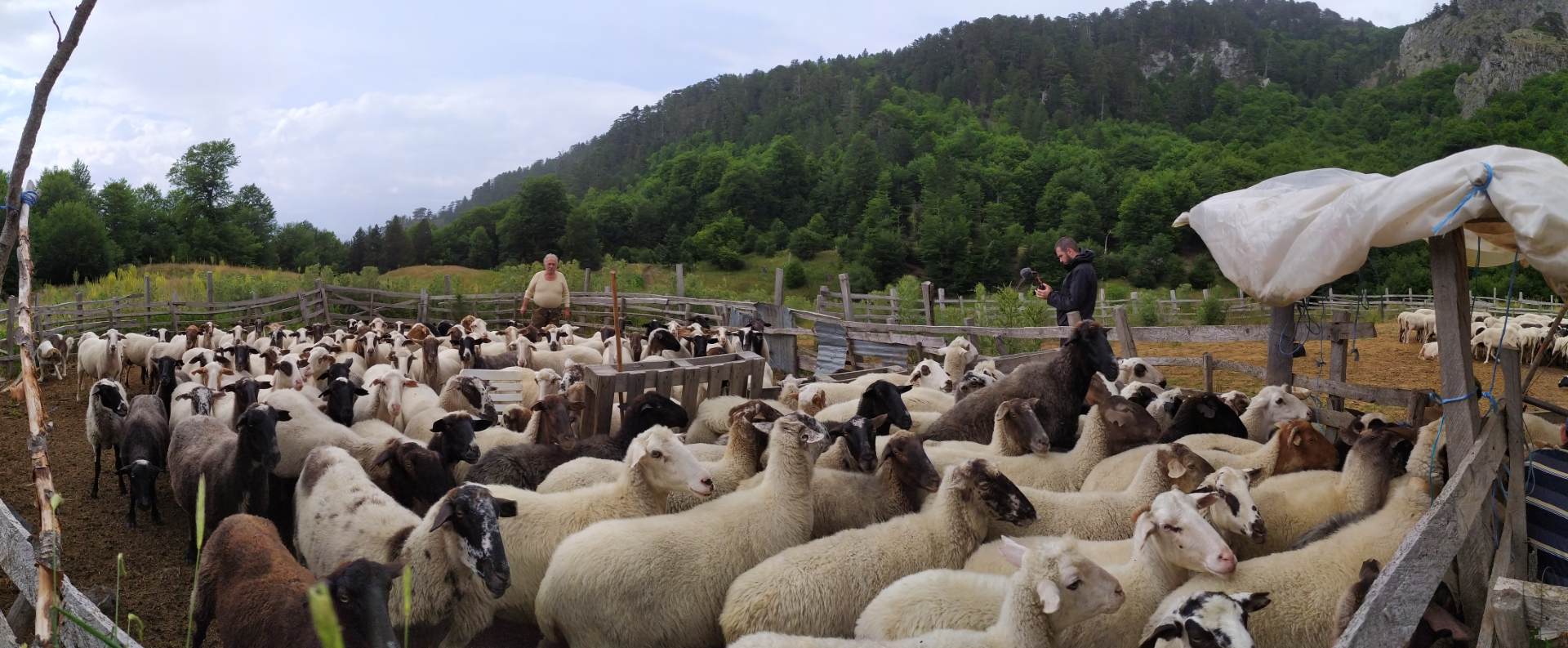
It is a traditional practice for organising livestock farming in the mountainous regions of Greece and in Epirus, where flocks of goats and sheep are seasonally moved between winter and summer pastures. This practice combines accumulated knowledge for utilising natural resources, organising community life, and preserving the ecosystem, while ensuring the sustainability of production. Transhumant pastoralism is a key element of the cultural identity of mountainous communities and keeps alive the relationship between humans and nature, incorporating social, ecological, and cultural values that are passed down through generations.
Dry stone art
Dry stone art
Η Dry stone wall forms a basic type of traditional continental architecture and a characteristic element of the Vikos–Aoös Geopark's cultural landscape. These are constructions made of local stone, timber and slate, which are assembled without mortar, with the basic structural and aesthetic element being the Stone arch. This technique is applied to homes, churches, monasteries, schools, mills, fountains, fulling mills, and especially the iconic Stone bridges of the region, creating simple, geometrically harmonious constructions that connect human activity with the natural environment. Dry stone construction is not only a technical achievement but also cultural expression of the pre-industrial era, capturing the craftsmanship of local masters, the collective knowledge and aesthetic perception of the communities, while contributing to the preservation of cultural identity and the sustainable relationship between man and landscape in the Vikos–Aoös Geopark.
In the case of intangible cultural heritage, the Dry stone wall recognised not as a material object or building (belonging to material heritage), but as practice, expertise and skill which is transmitted intergenerationally and is linked to cultural values and social memory. That is, dry stone walling is considered This is because it relates to the art of building stone walls and bridges without mortar., the technical knowledge of local craftsmen, the way of working, the rules and traditions related to the construction and maintenance of the landscape.
In other words:
- Η material aspect is stone, bridges, and timber framing.
- Η back garden it is technical, skill, knowledge, practices and social values handed down from generation to generation.
- Dry stone walling is associated with local identity, the way of life of communities and the pre-industrial history of Epirus.