Area
Altitude
Wildlife
Types of flora
Natura Areas
Bird species
Amphibians
Types of fish
The geological history of the Vikos-Aoos Geopark, as well as the wider region begins around 200 million years ago, at the beginning of the Jurassic period. The current form of the area's morphological relief is the result of complex processes that took place in the geological past. Rock deformation, rapid upward movements, neotectonic activity, and alternating glacial and interglacial periods caused intense erosion of the substrate. Thus, with the action of water that followed paths through discontinuities and faults, carving deeply into the limestone masses, along with the aforementioned processes, the Aoos and Vikos gorges were shaped. These two iconic gorges, as two dominant landforms of the region, have given their name to the Geopark.
Ecosystems

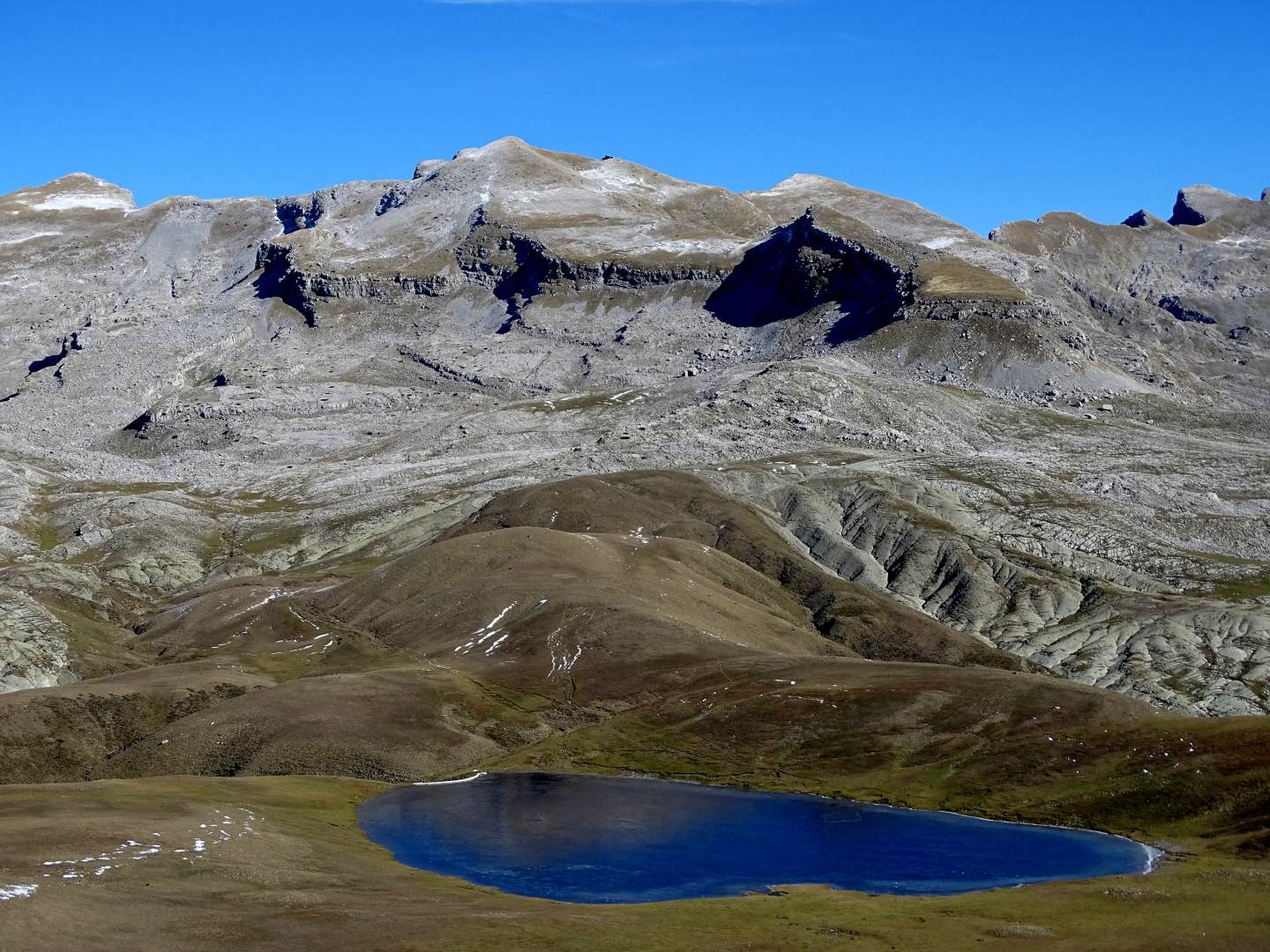
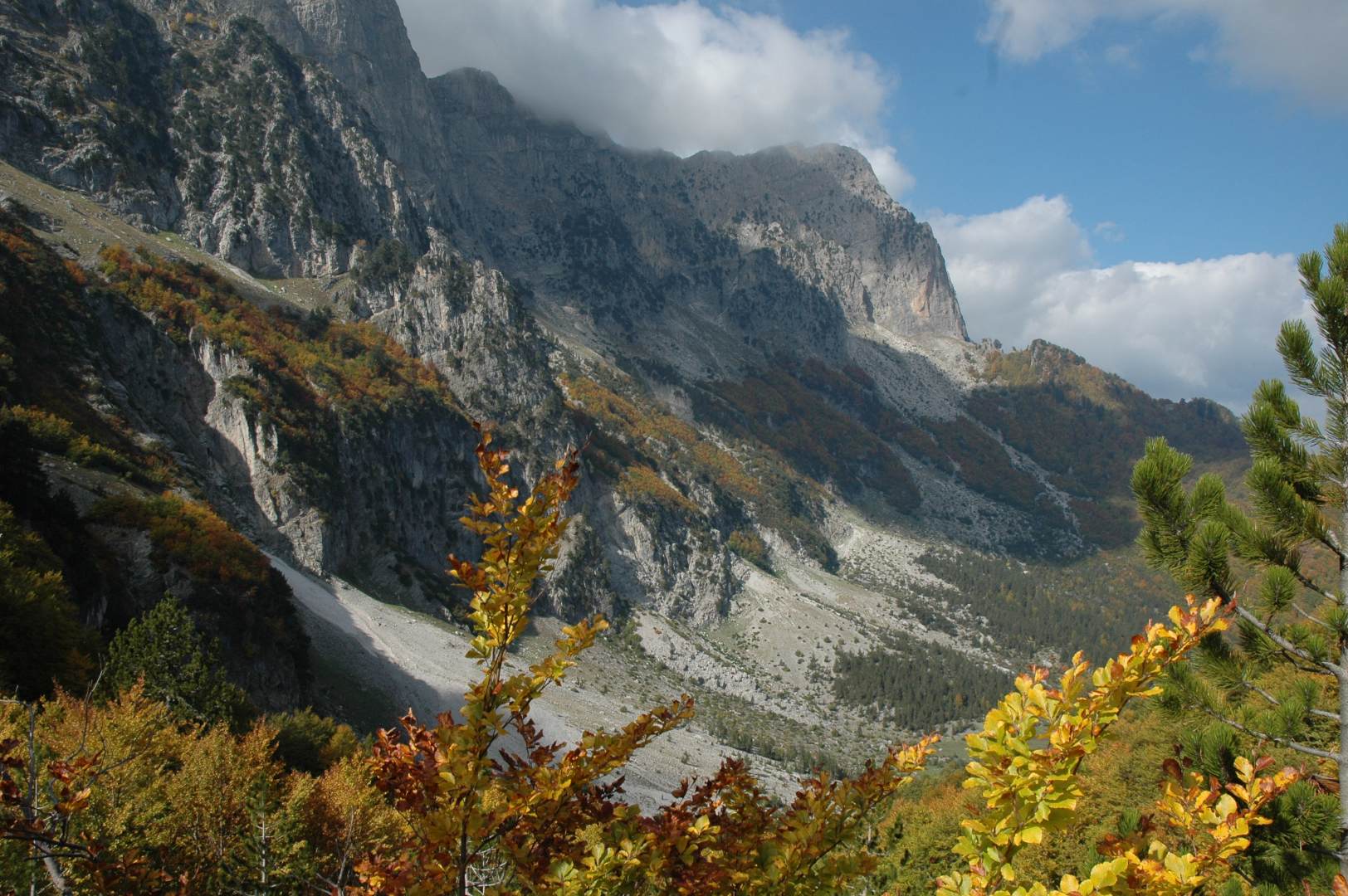


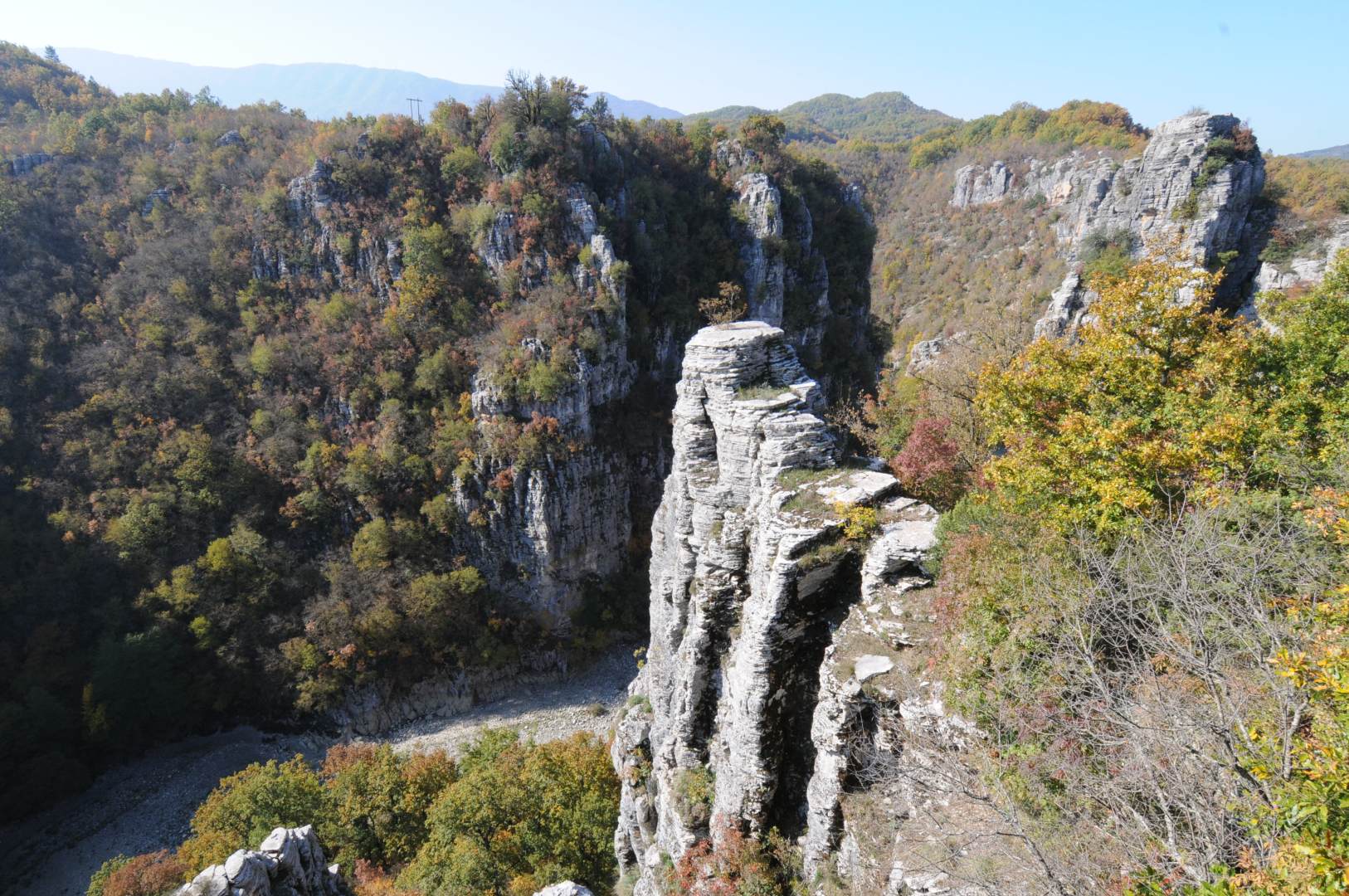

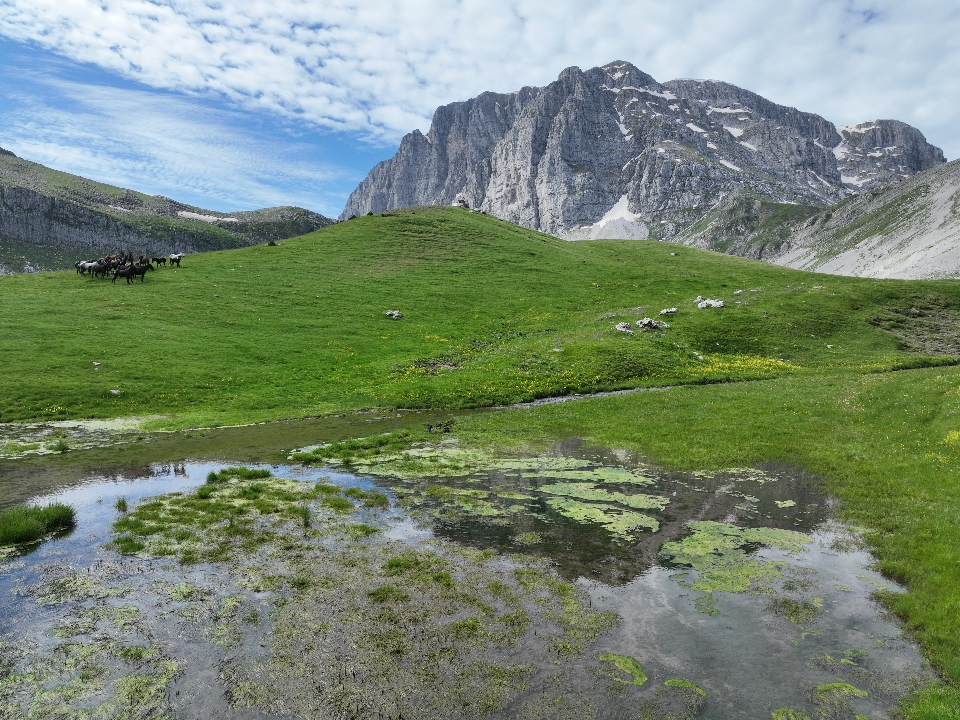
Five distinct types of ecosystems, clearly distinguished from each other by their dominant vegetation, are spread across the wider Vikos-Aoos Geopark area.
Ahead low altitudes (375 m to 700 m) we encounter evergreen sclerophyllous shrubland ecosystems,
further up Oak forest ecosystems (700 m – 1,000 m),
at medium altitudes (1,000 m to 1,600 m) coniferous and beech forests,
at high altitudes (1,600 m to 2,000 m) forests of white-barked pine (common pine) and
at higher altitudes (2,000 m – 2,637 m) Subalpine and alpine meadows.
These ecosystems quite often spread over relatively large areas or form mixed sets, giving the form of a complex mosaic. Other ecosystems also appear in the area, which occupy smaller areas, such as rocky slopes, gorges, and the sheer cliffs of large mountains, as well as aquatic ecosystems (lakes, rivers) and ecosystems with riparian vegetation. We also encounter characteristic «anthropogenic ecosystems,» in some of which human impact on their formation is particularly intense, such as, for example, in the plain of Konitsa.
All of the above ecosystems host a large number of flora and fauna species that vary in diversity and number within each ecosystem, depending on the ecological requirements of the various species. In the wider area of the Geopark, over 1,800 species and subspecies of plants have been found, and the wildlife is also particularly rich, as around 250 species of vertebrates and numerous species of invertebrates live in the ecosystems of the wider area.
Wildlife
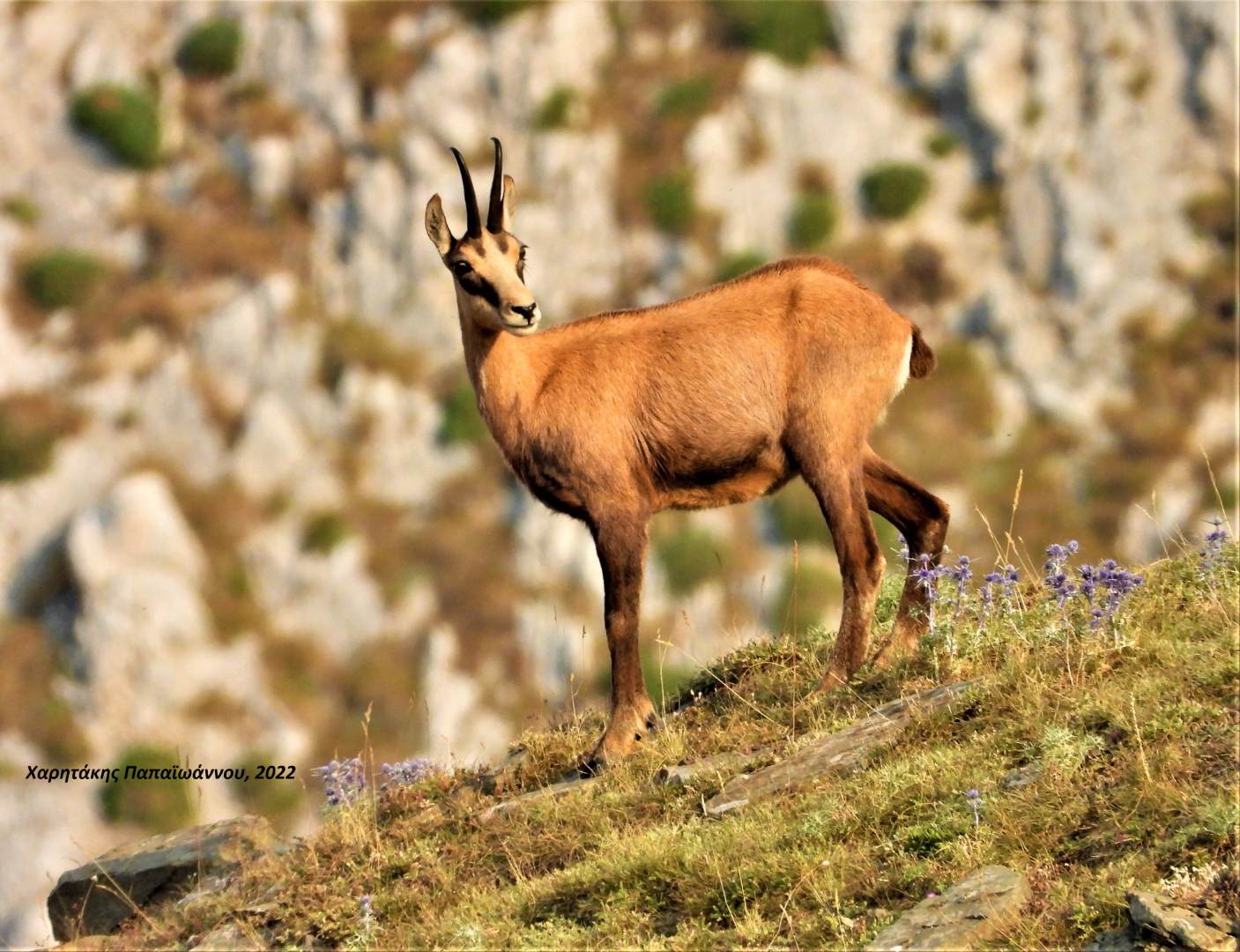
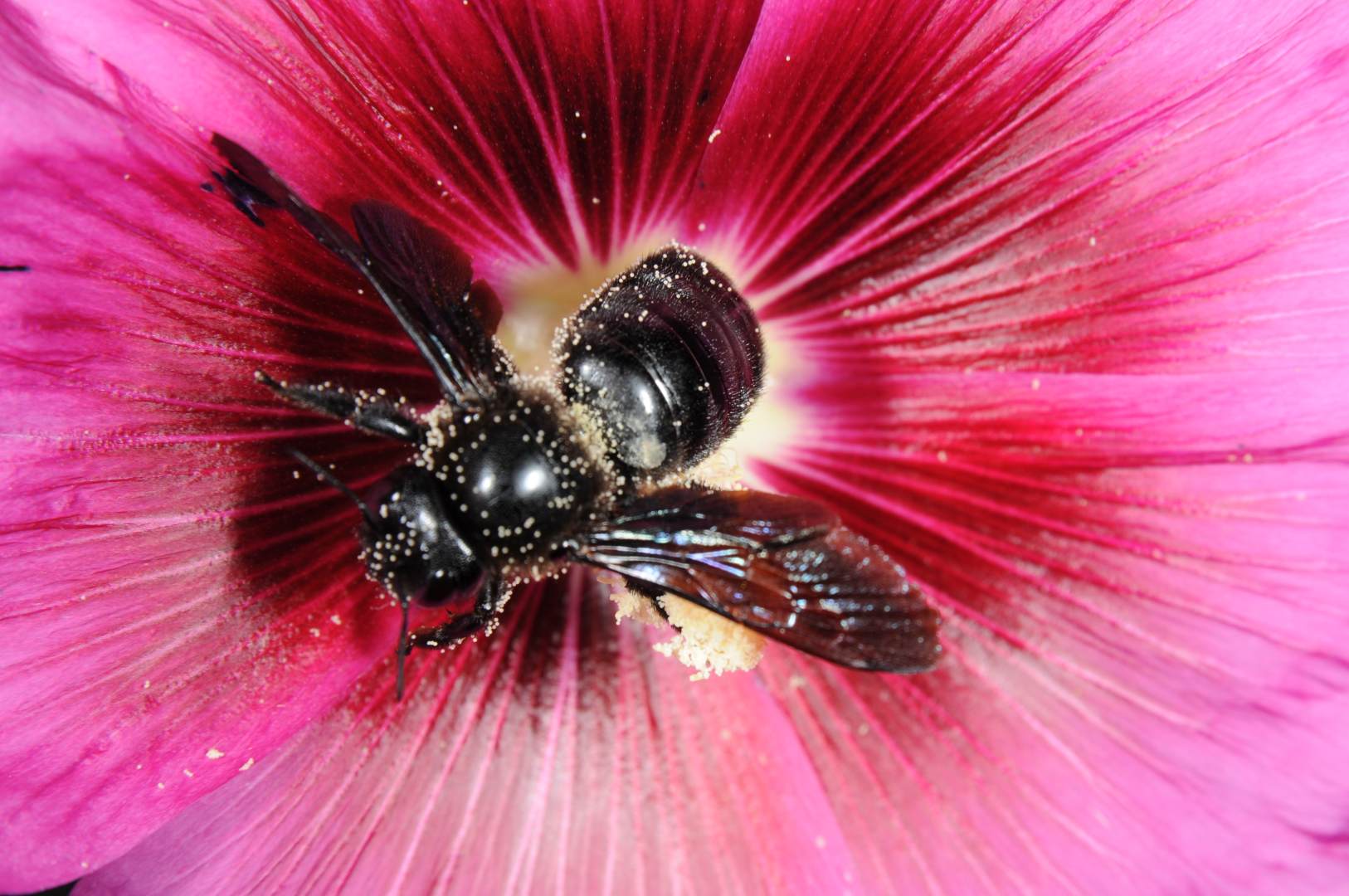
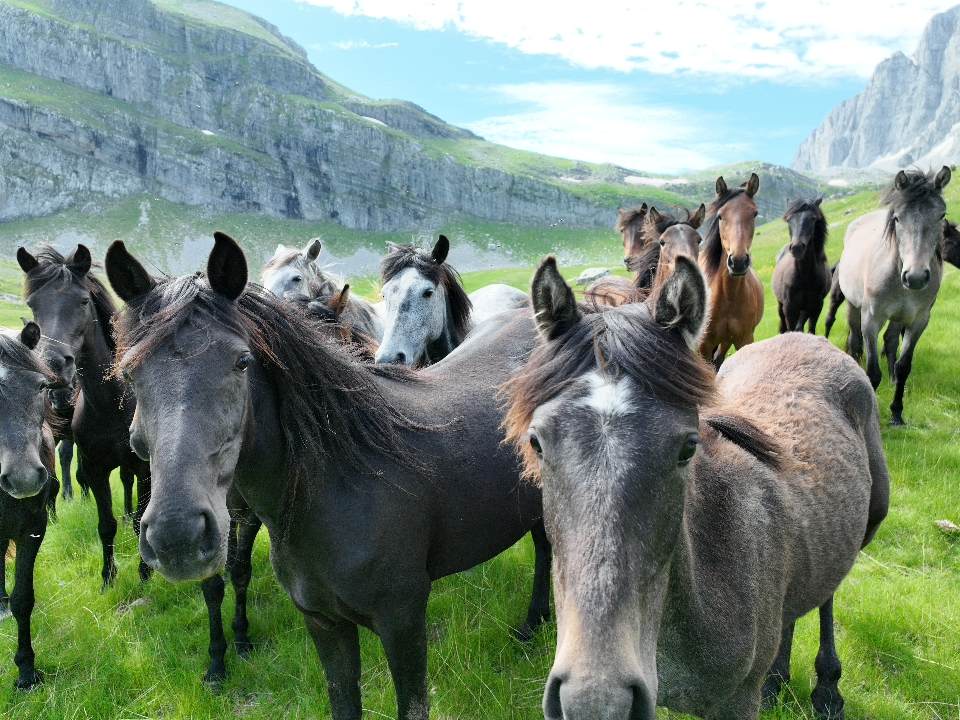
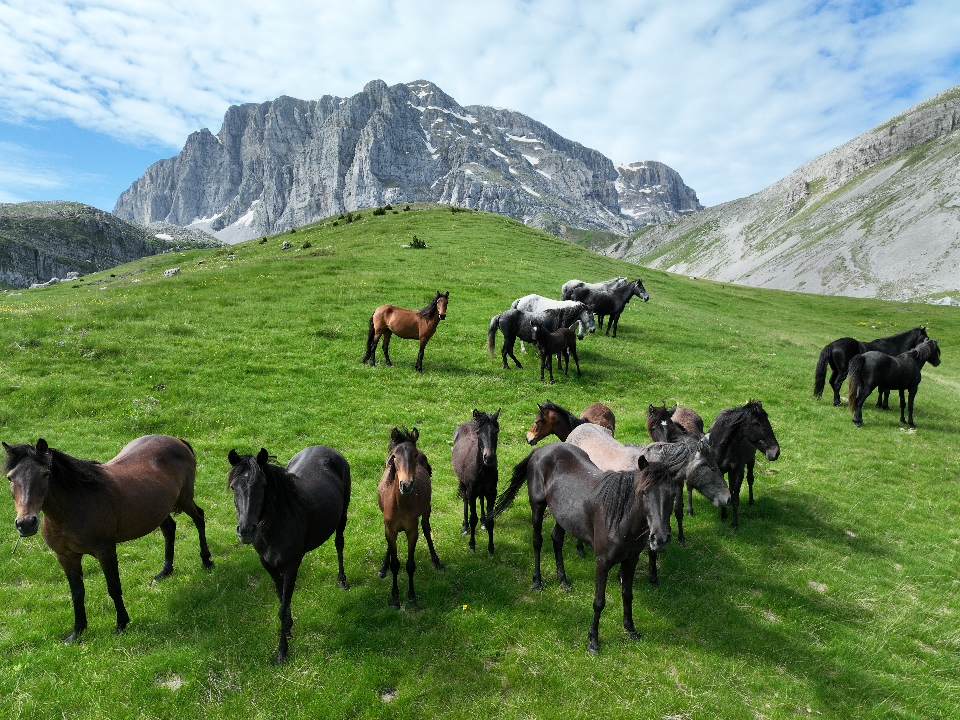
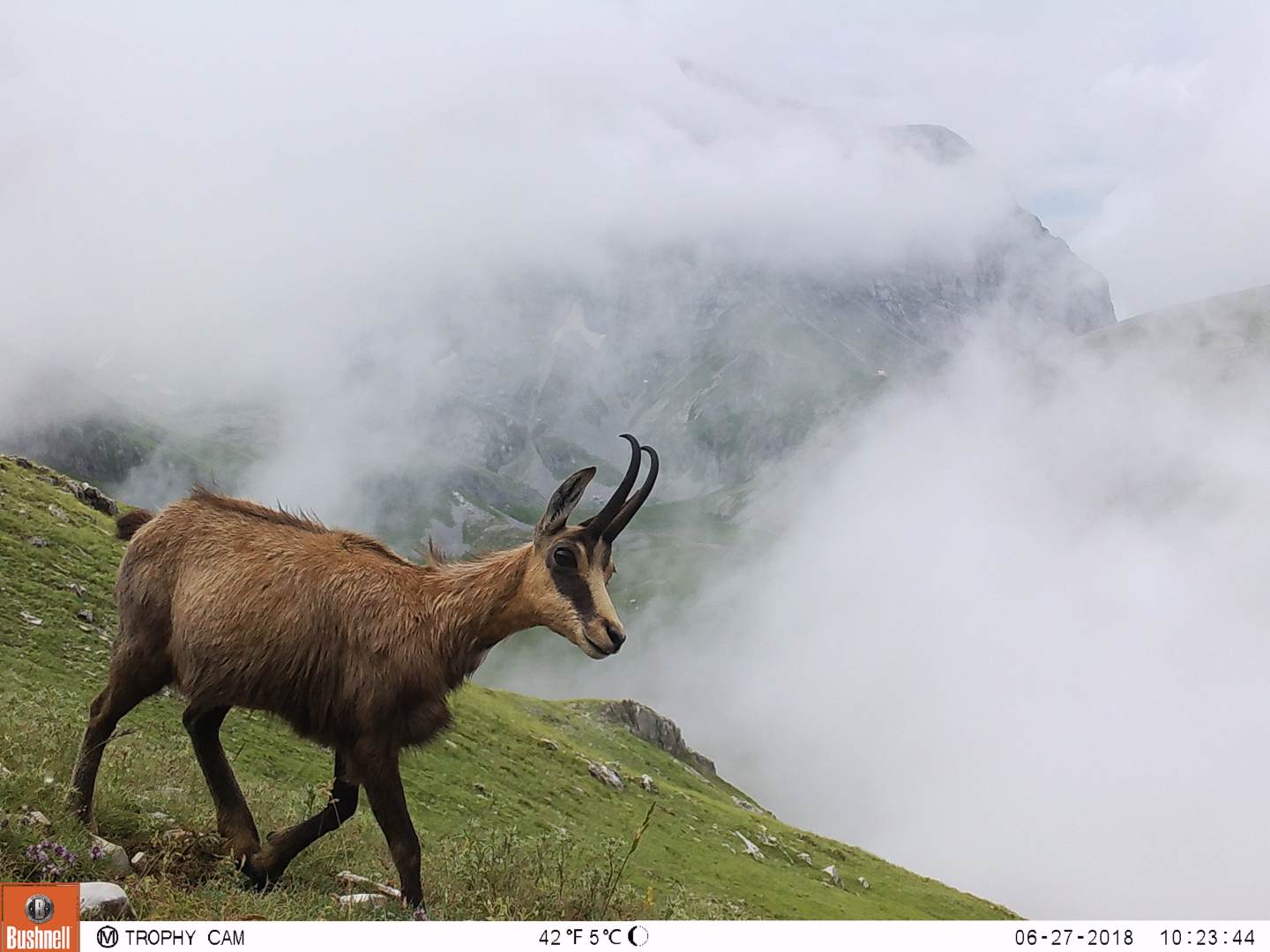

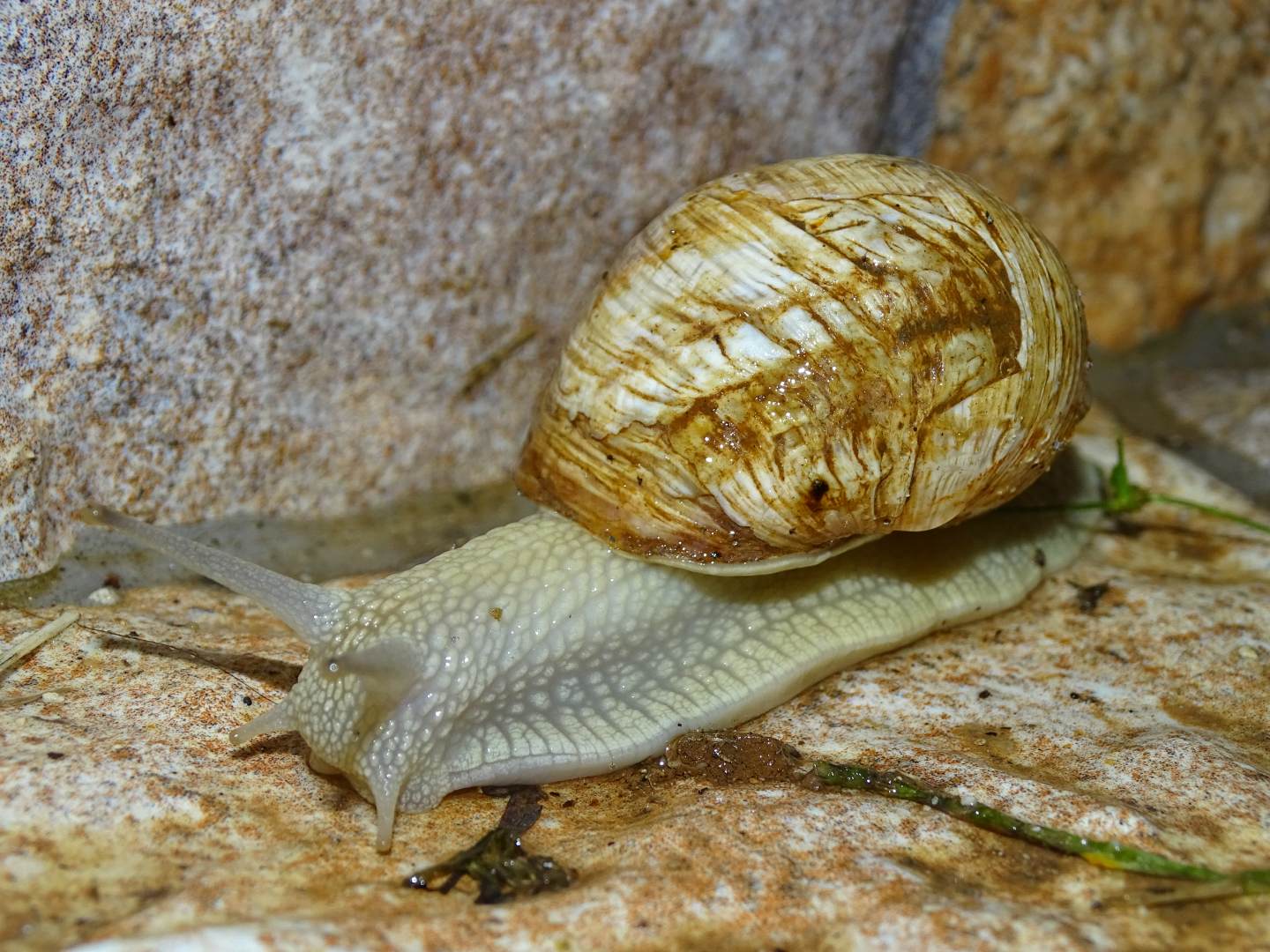


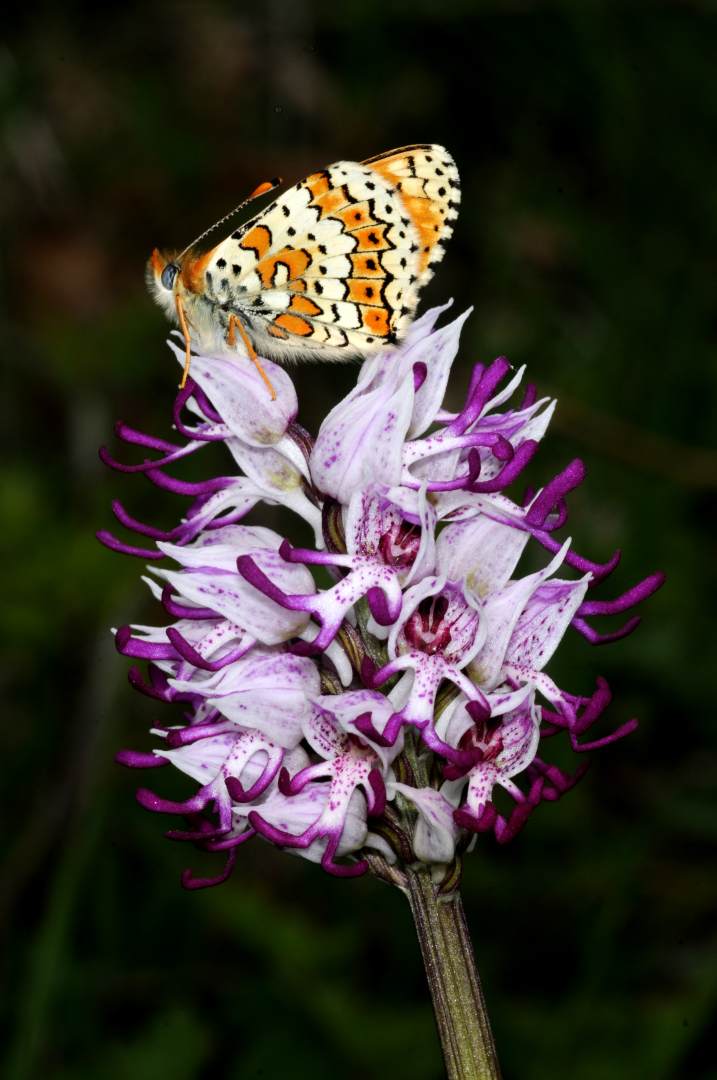

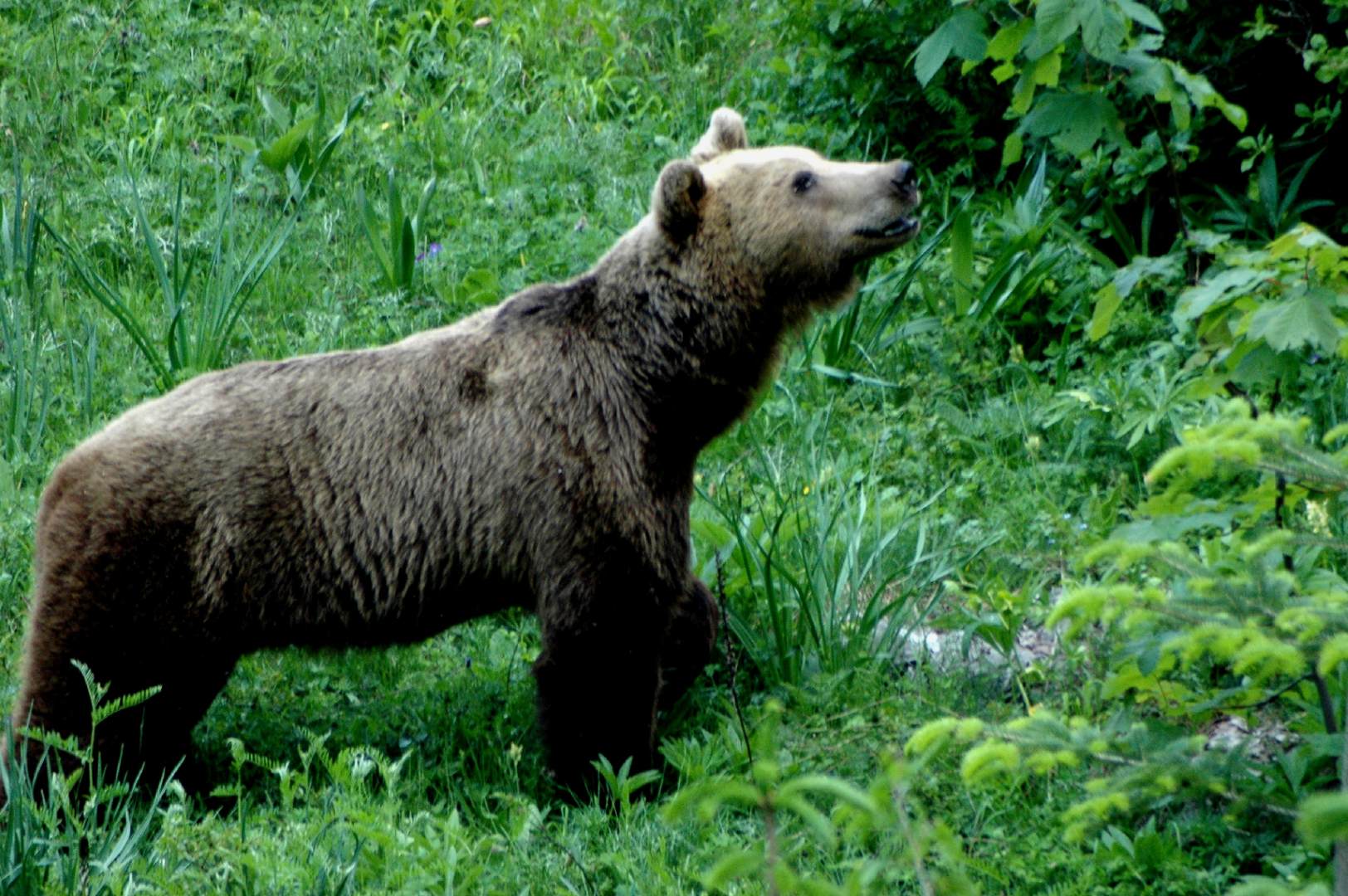


The wild fauna of the wider Geopark area is rich in the total number of species (60) as well as the presence of rare and protected species.
Almost all large mammals The continental mainland of Greece, such as the bear (Ursus arctos), wolf (Canis lupus), wildcat (Felis sylvestris), otter (Lutra lutra), Balkan chamois (Rupicapra rupicapra balcanica) and roe deer (Capreolus capreolus), show notable populations in the area.
From the set of 161 species of birds Within the region, we report the presence of several rare species, such as the Egyptian Vulture (Neophron percnopterus), the Golden Eagle (Aquila chrysaetos), the Black Woodpecker (Dryocopus martius), the Wallcreeper (Tichodroma muraria), and the Dipper (Cinclus cinclus).
From the 11 amphibians Among those found in the area, the presence of the alpine newt (Ichtyosaura alpestris) and the spur-thighed tortoise (Eurotestudo marginata), one of the 20 reptiles, is noteworthy.
End 11 types of fish It is worth mentioning the endemic species of the Aoos and Sarantaporos rivers, the Pindos loach (Oxynoemacheilus pindus), as well as the trout (Salmo trutta).
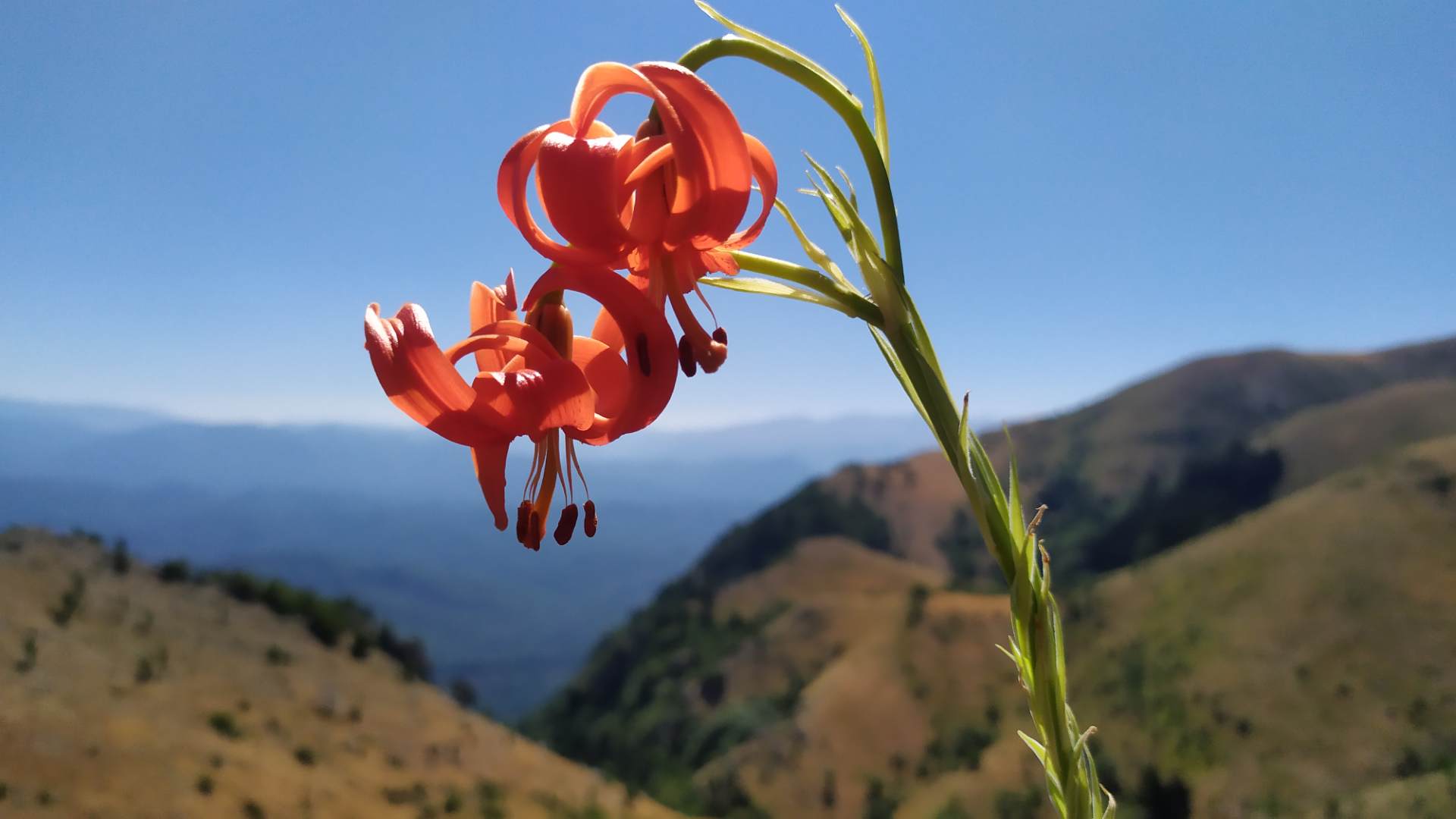
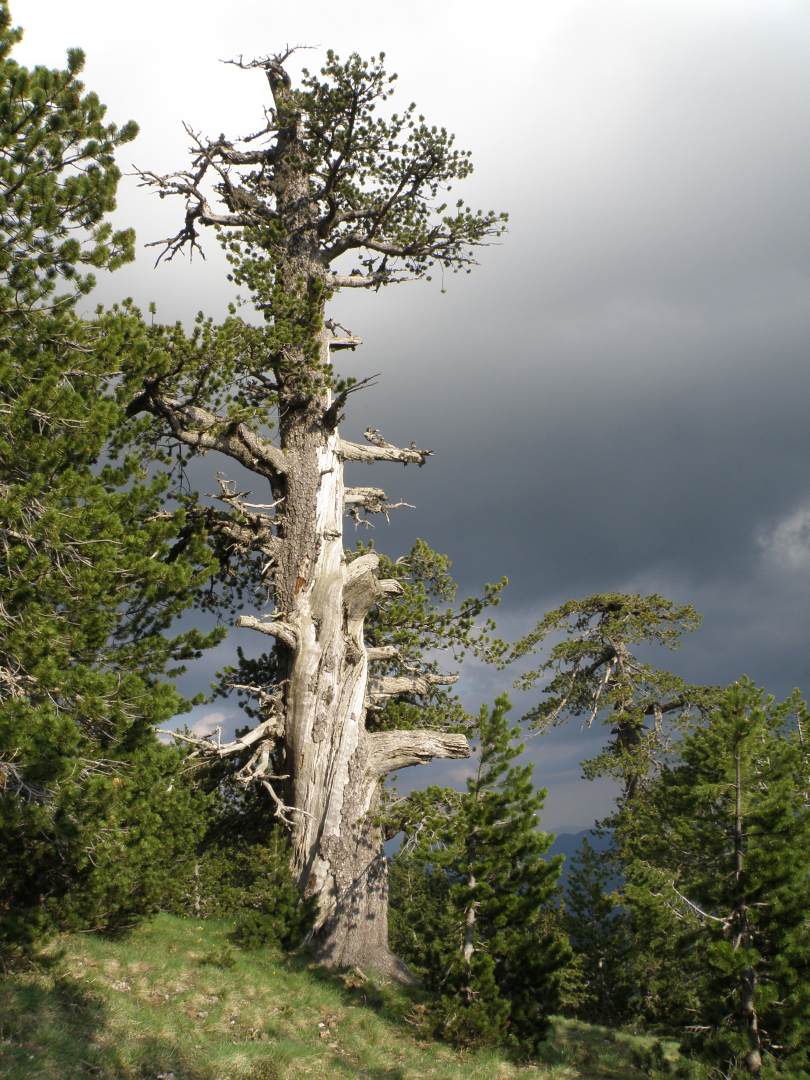
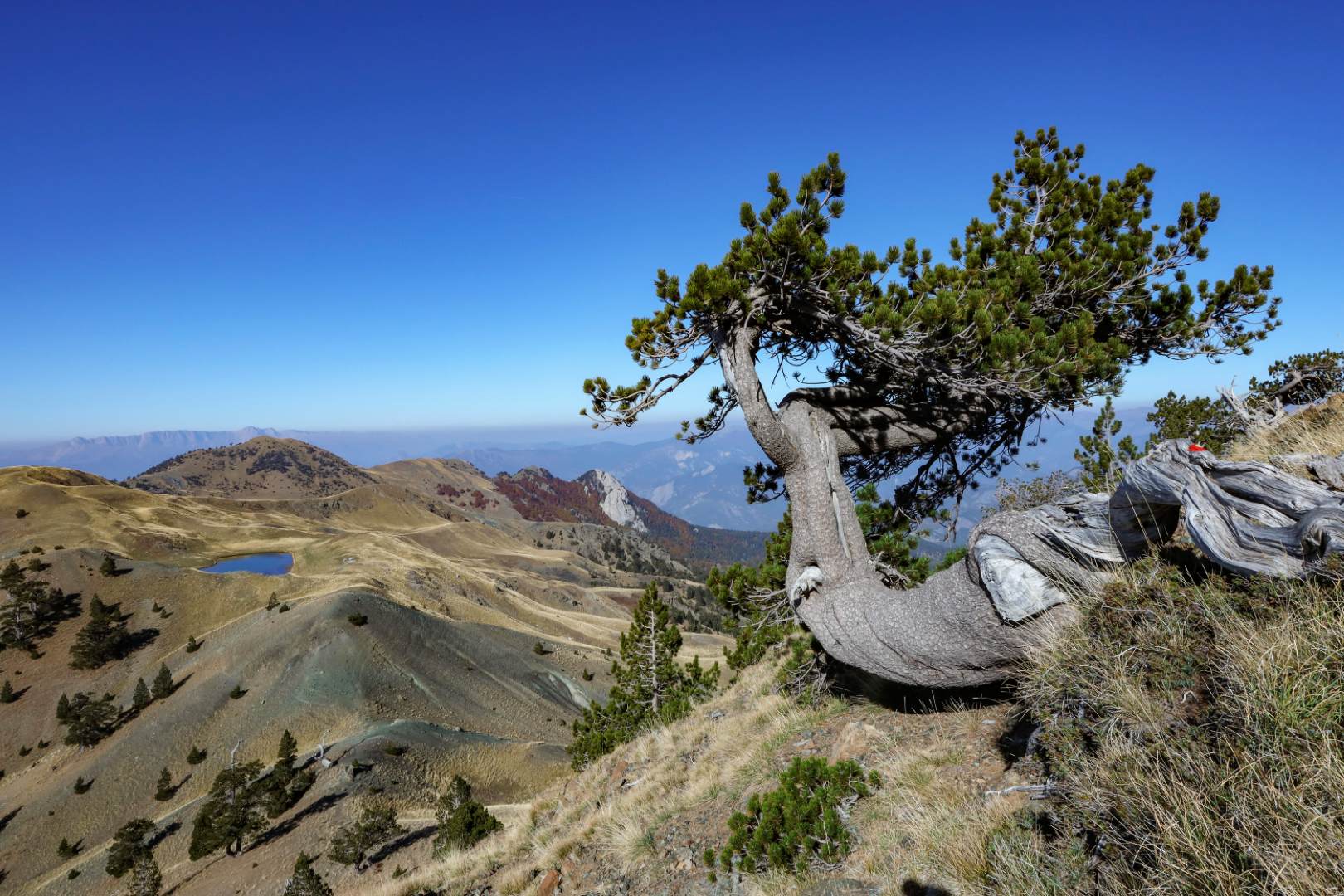

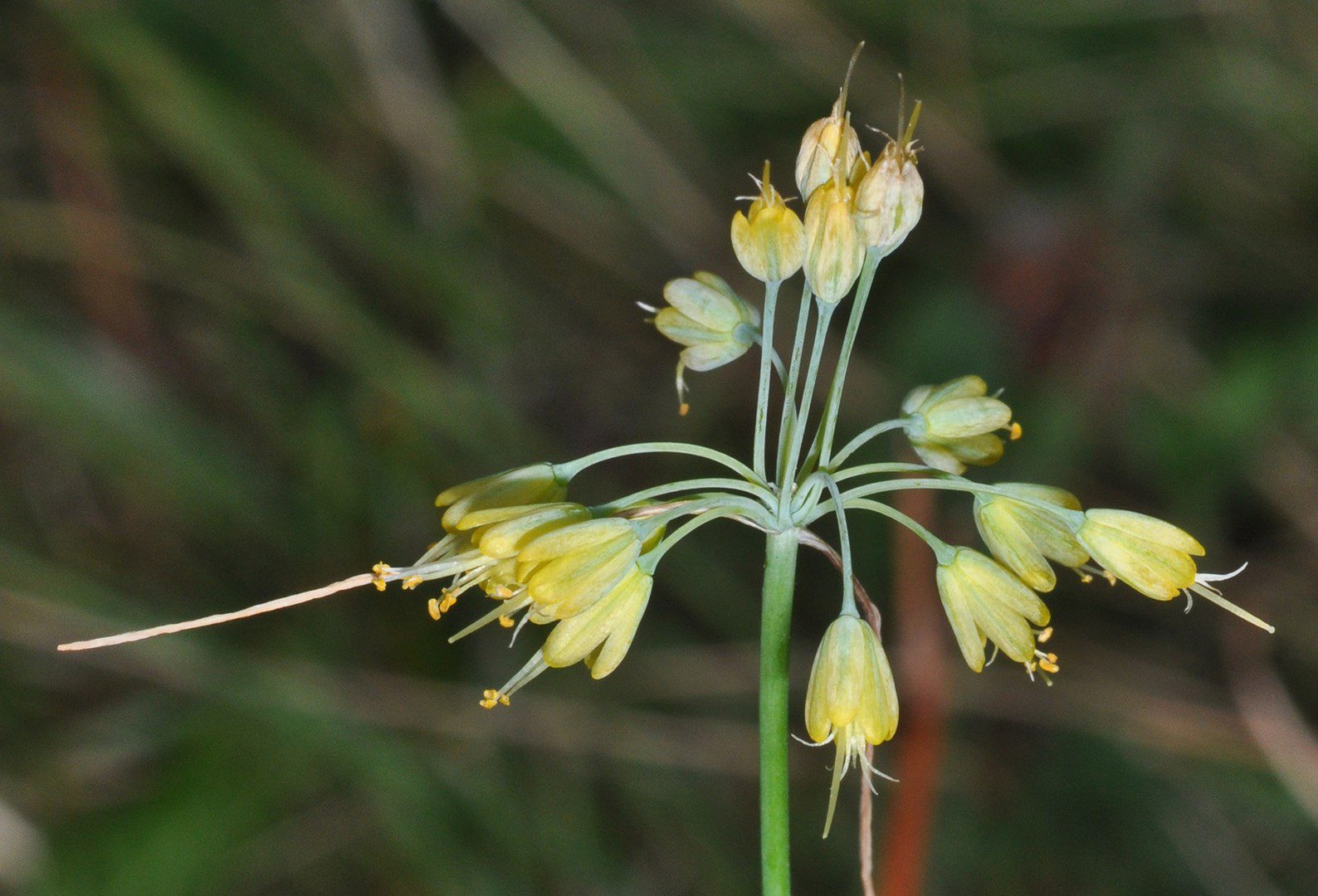


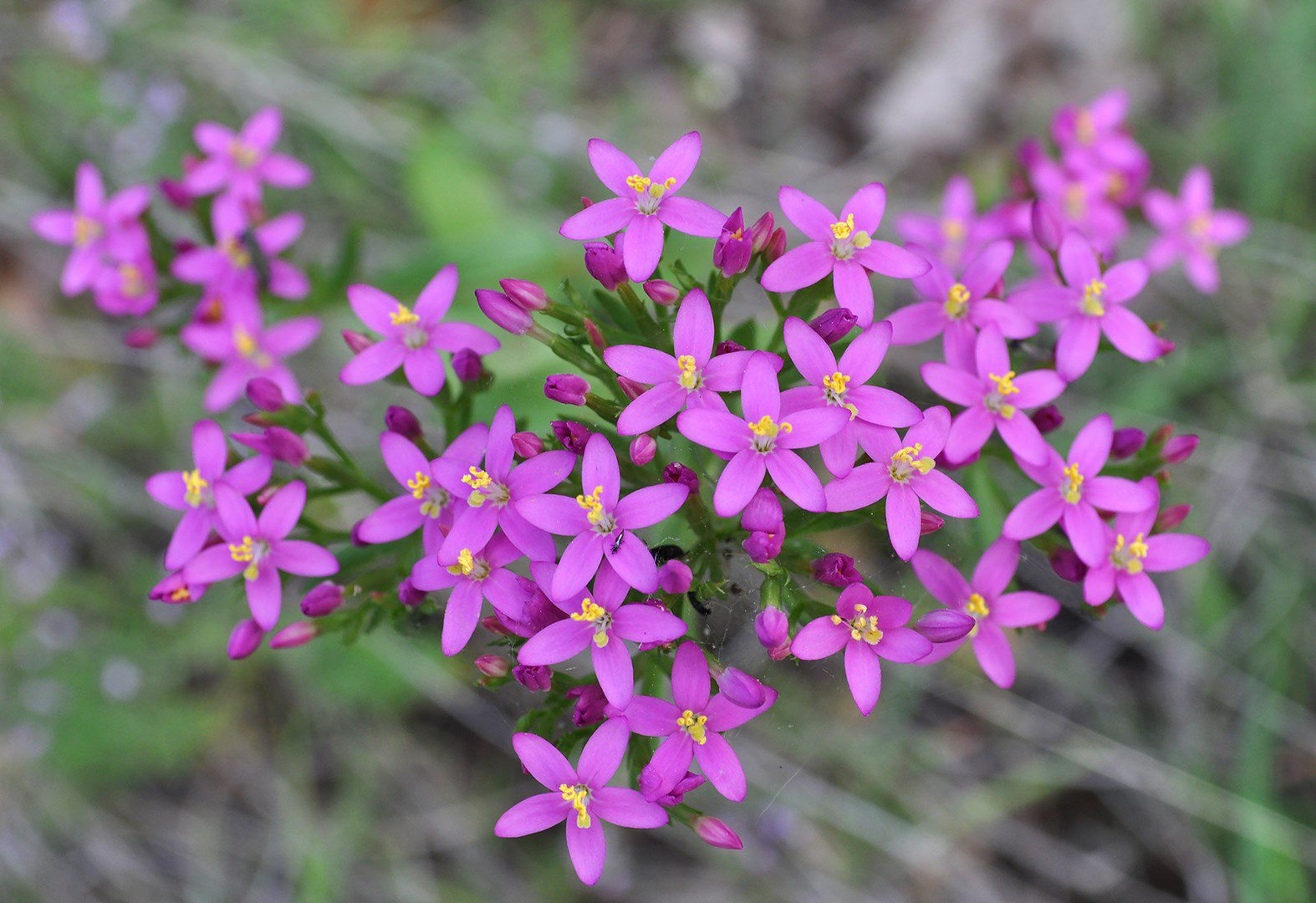
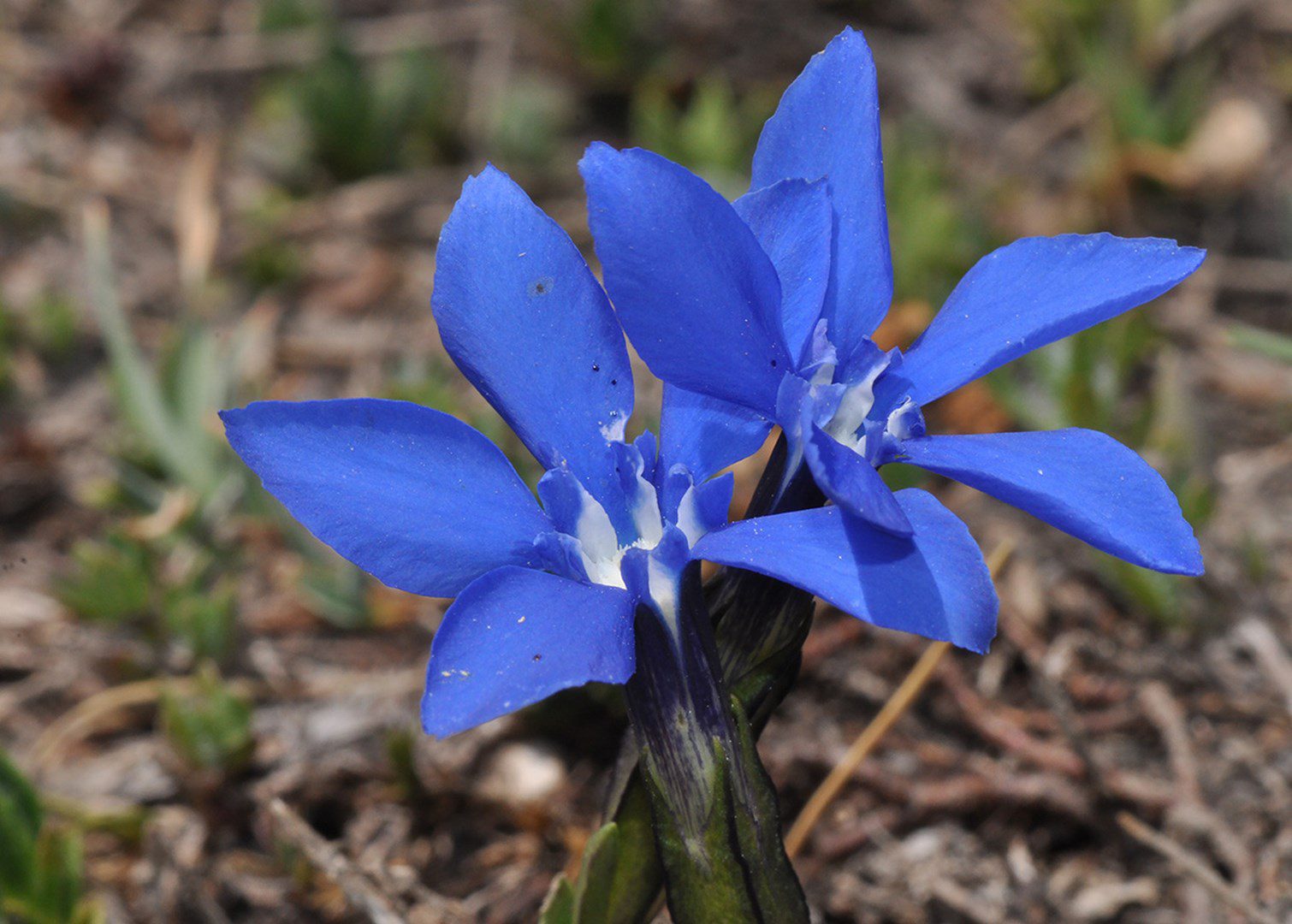
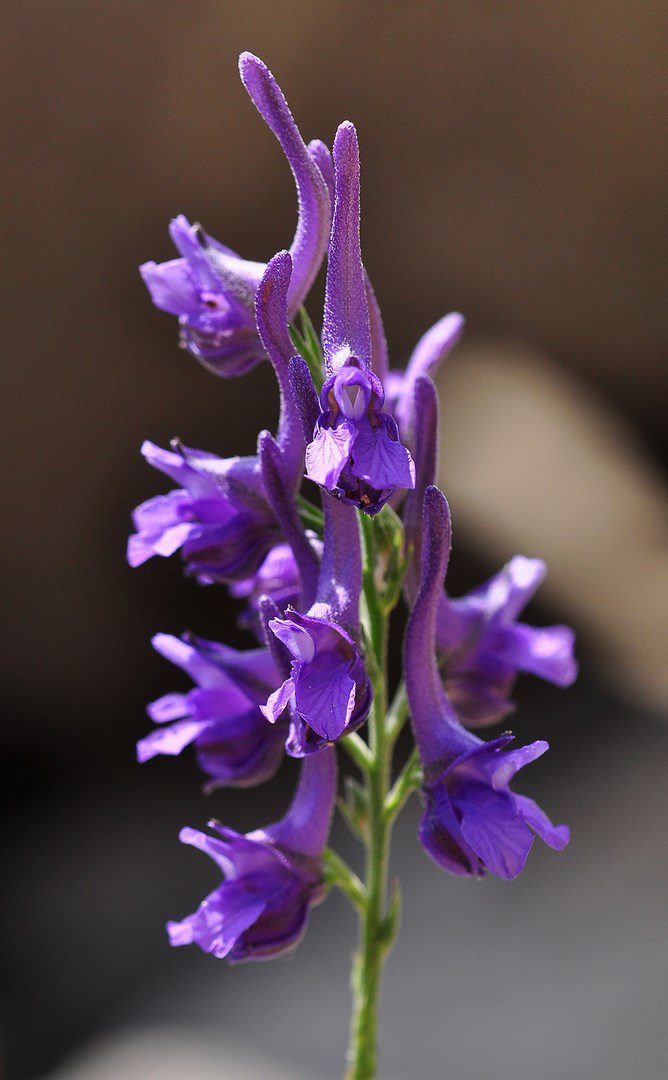
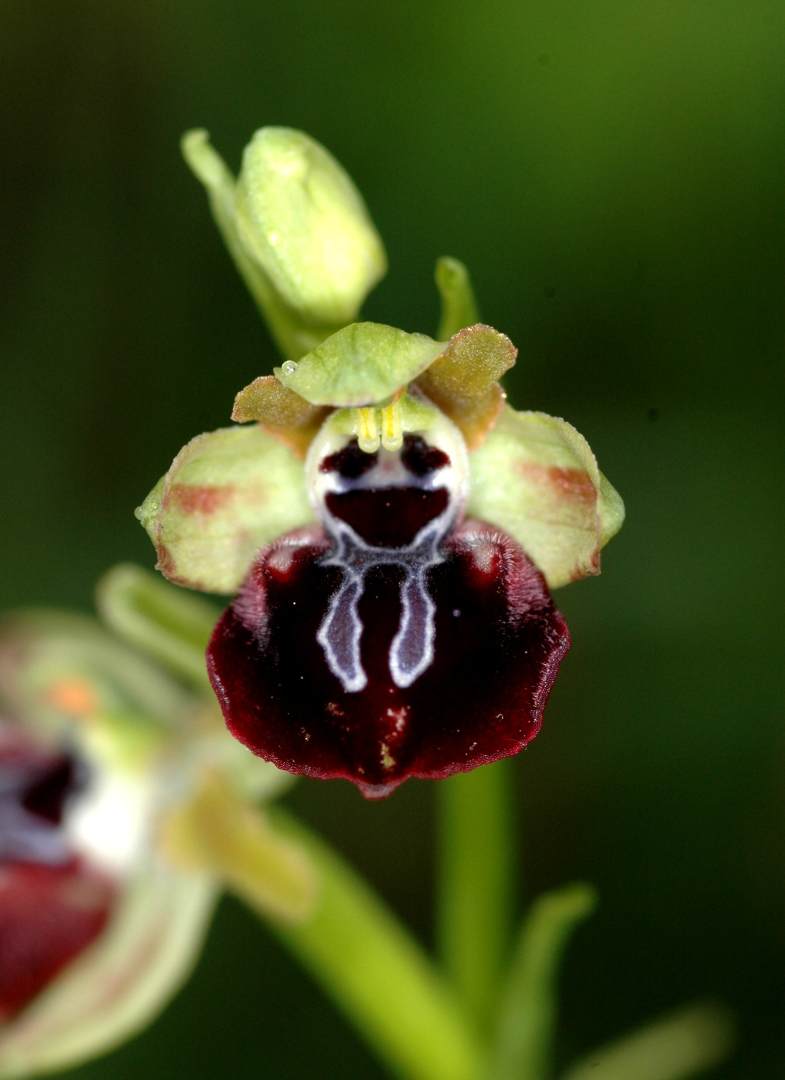
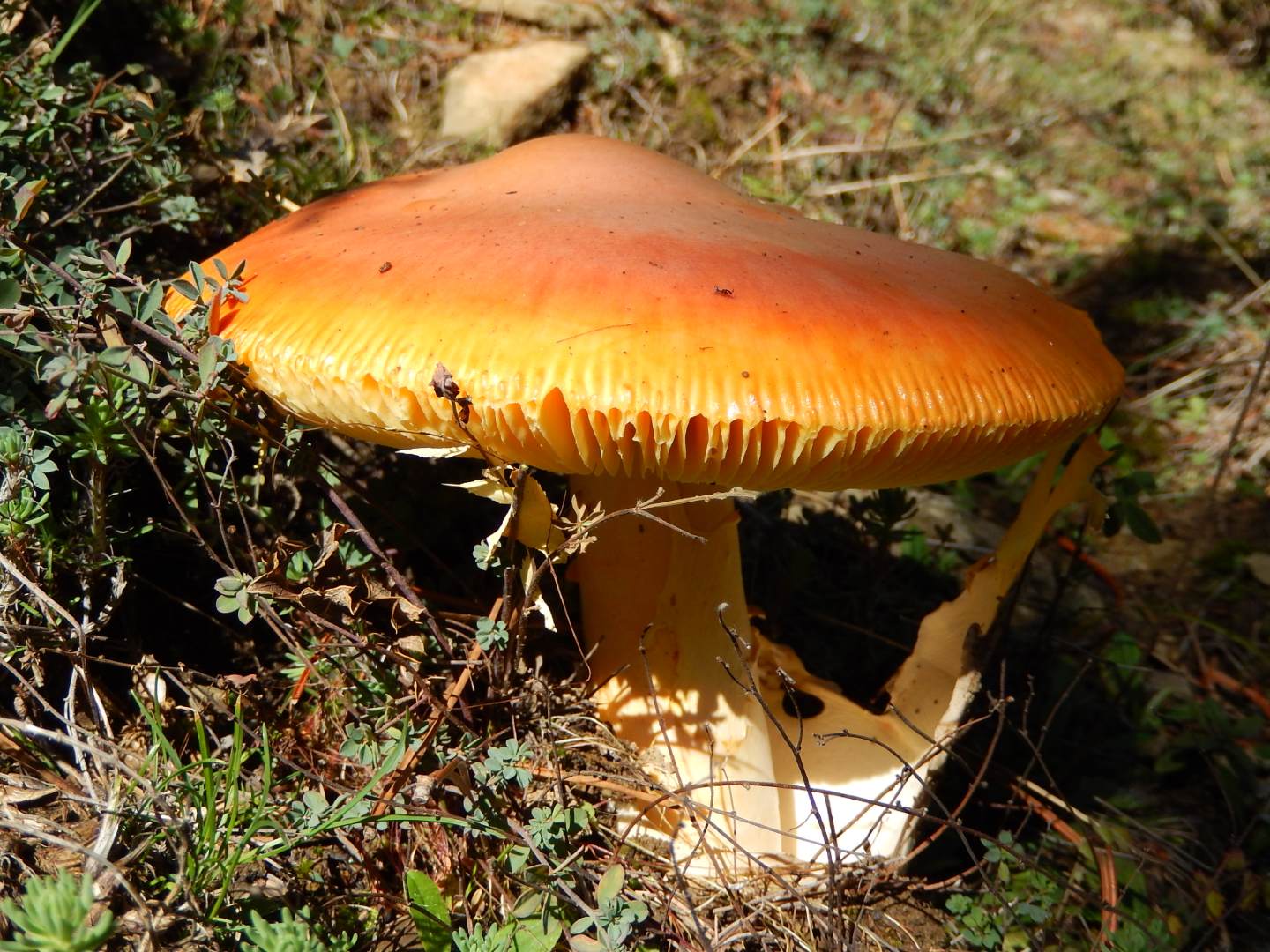


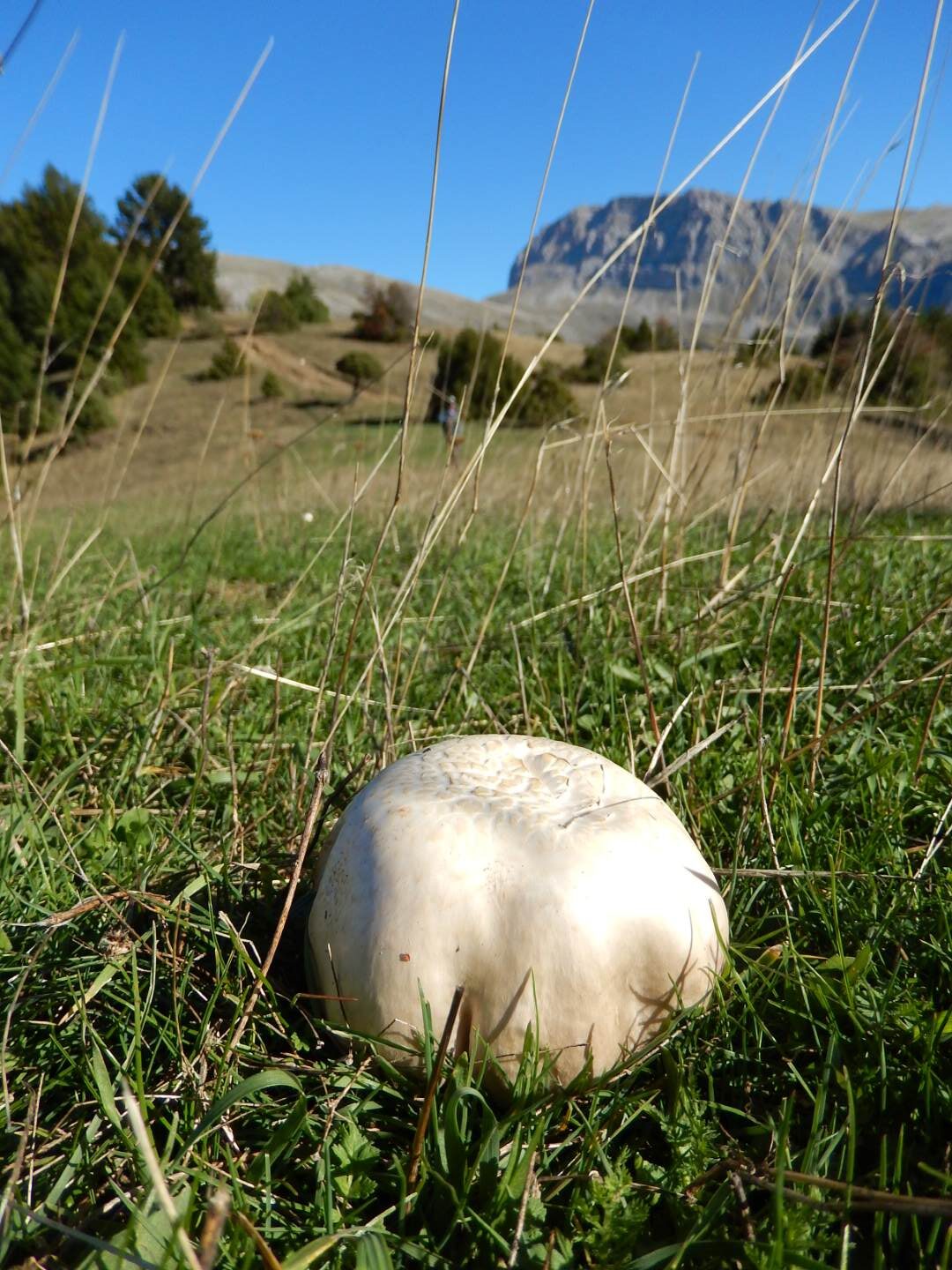


A large number of plant species grow in the wider Geopark area, more than 1,800 species and subspecies. We can appreciate the high floristic value of the wider Geopark area if we consider that This number corresponds to one-sixth of the plants in our country. The cause of this phenomenon is the significant altitudinal variations and the complex relief of the individual mountain ranges, which range from 400m to 2,637m in altitude, as well as the particular local environmental conditions that prevail.
Among the most striking mountain flowers of the Geopark that capture visitors' interest are wild lily species of the genus *Lilium* (lily), poet's narcissus (*Narcissus poeticus*), wild tulip (*Tulipa sylvestris* spp. *australis*), houseleeks (*Sempervivum marmoreum*) (*Jovibarba heufelii*), and various saxifrages (*Saxifraga spruneri*) (*Saxifraga marginata*).
Among the plants with medicinal properties, the following are particularly interesting: mint (Mentha longifolia), common sage (Salvia officinalis), winter savory (Satureja montana), thyme (Thymus leucospermus), and mountain tea (Sideritis raeseri & S. montana). The flora of mountains characterised by an ophiolitic geological substrate, i.e. Smolikas, is of particular interest, as several plants are found there that have adapted to live in soils with high concentrations of metals. Several species belong to this group, such as: Smolikas alyssum (Alyssum smolicanum), round-headed leek (Allium sphaerocephalon), ophiolitic bedstraw (Galium ophiolithicum), Smolikas mouse-ear chickweed (Cerastium smolicanum), etc.
Also, the mountains of the Geopark are home to many rare, endemic, and protected species, such as the following: Centaurea tymphaea, Sedum tymphaeum, Bornmuellera tymphaea, Silene pindicola, Onosma epirotica, Soldanella pindicola, Hieracium dasycraspedum, among others.
Other notable plant species include: Serbian ramonda (Ramonda sebica), the insectivorous butterwort or crystalwort (Pinguiculla crystallina ssp hirtiflora), and the Albanian solenanthus (Solenanthus albanicus).